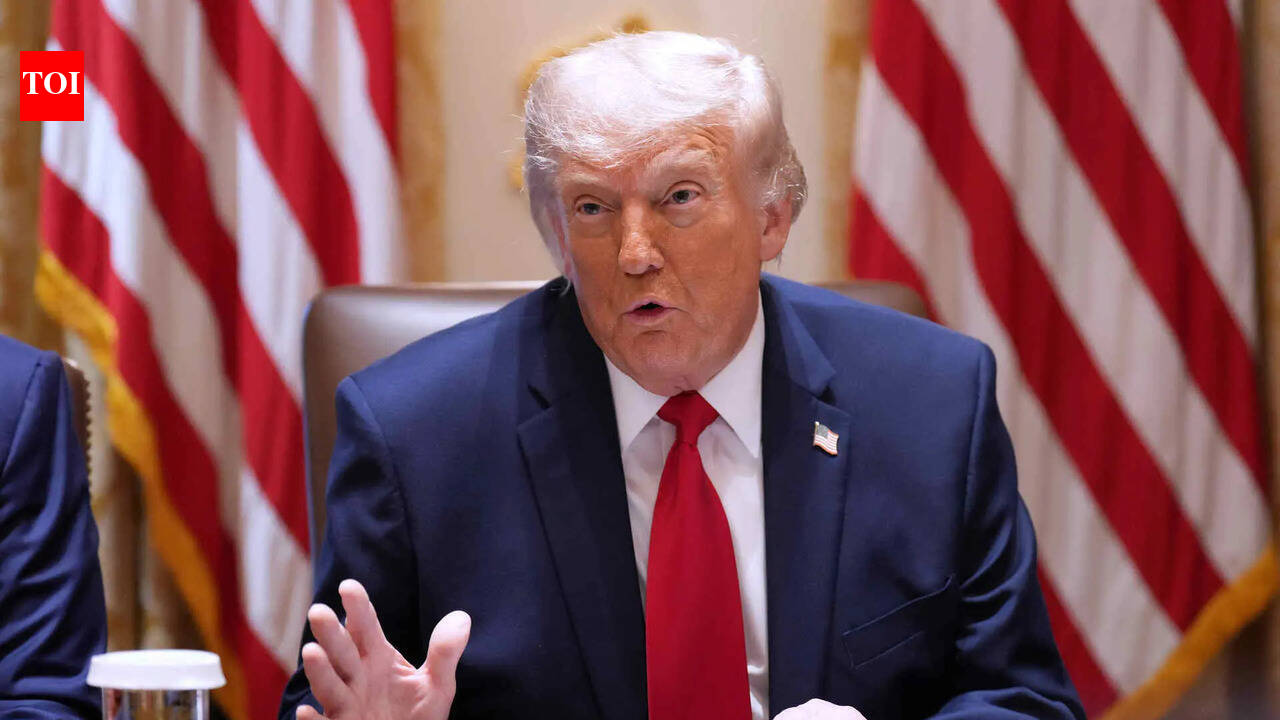
Leading Democrats in Congress are advocating for the reinstatement of a port tax on Chinese ships, a measure initially suspended in May following an agreement between U.S. President Donald Trump and Chinese President Xi Jinping. The suspension, effective until November 9, was part of an interim trade pact between the two nations, according to FreightWaves.
Port Tax Details
The proposed port tax would impose charges totaling approximately $3.2 billion annually on large Chinese-built container and bulk vessels calling at U.S. ports. This measure was originally implemented in 2025 after an investigation revealed that China had leveraged unfair advantages to dominate global shipping and shipbuilding markets.
Political Advocacy
Democrats Mark Kelly of Arizona and Elizabeth Warren of Massachusetts have been vocal in urging the United States Trade Representative Jamieson Greer to reinstate these fees. They argue that the tax is crucial for protecting domestic shipbuilding interests. Kelly has also authored legislation aimed at reviving the U.S. maritime industry, highlighting the strategic importance of this sector.
Economic Implications
The strategy to rejuvenate the U.S. shipbuilding industry would require substantial investment, with observers noting that tens of billions of dollars in subsidies might be necessary over several decades. Despite these efforts, U.S.-built ships could face challenges competing on a cost basis with Asian shipyards, which benefit from lower production costs.
Legislative and Trade Context
The port charges were a significant element of the U.S. trade policy aimed at countering China's influence in the maritime sector. The suspension of these charges was a key concession in the trade negotiations between Trump and Xi, reflecting the complex dynamics of U.S.-China trade relations.
| Measure | Details |
|---|---|
| Annual Port Tax | $3.2 billion |
| Effective Date of Suspension | May 2026 |
| Suspension End Date | November 9, 2026 |
The reinstatement of the port tax is seen as a critical step by Democrats to bolster the U.S. shipbuilding industry, which has struggled to compete internationally. The outcome of this advocacy could significantly impact the future of U.S. maritime policy and its economic implications for the industry.
Sources: