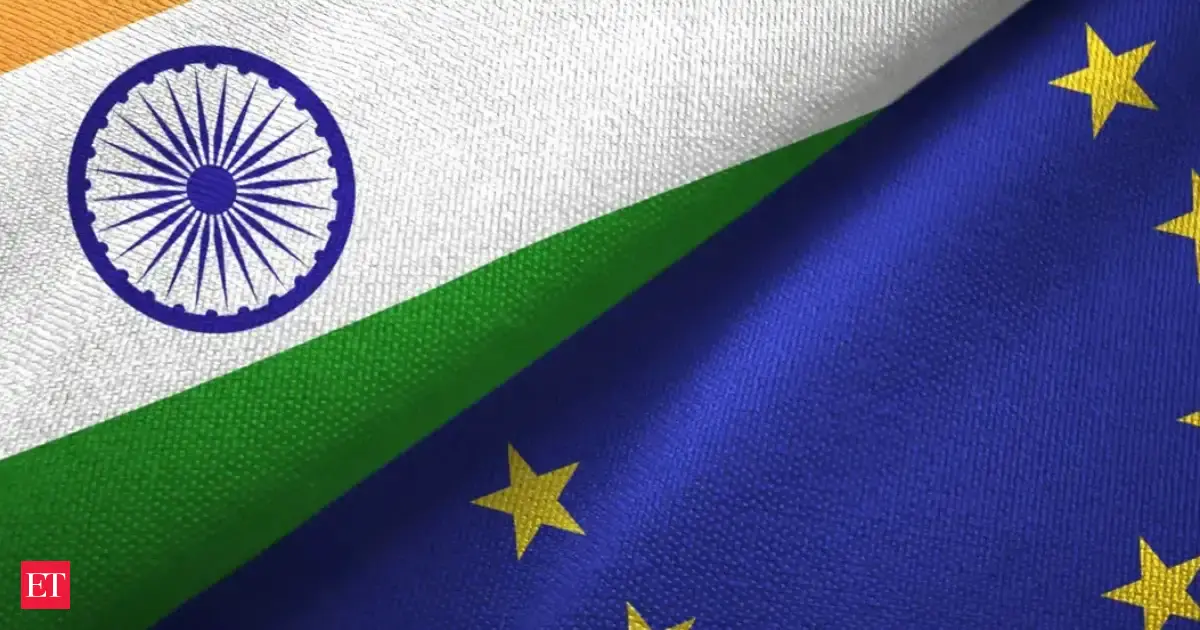
The European Union's (EU) pursuit of exclusive marketing rights for its wines, spirits, and cheese in India is encountering significant challenges. This comes in the wake of the EU's call for a United Nations resolution to address the Jammu and Kashmir dispute between India and Pakistan.
Geopolitical Tensions Impact Trade
The EU's stance on Jammu and Kashmir, as expressed in a joint communiqué with Pakistan, has raised concerns in India. Trade analysts suggest this could hinder India's efforts to secure a Geographical Indication (GI) tag for its basmati rice, a process pending since 2018.
"If the EU takes such a stance on Jammu and Kashmir, it will not lead to any agreement," said S Chandrasekaran, author of "Basmati Rice: The Natural History Geographical Indication."
Economic Implications
The EU stands to lose more than India in this trade standoff. EU products like wines, spirits, and cheese have a market value of ₹9,000 crore in India, compared to ₹2,000 crore for Indian basmati rice.
| Product | EU Market Value in India (₹ crore) |
|---|---|
| Wines, Spirits, Cheese | 9,000 |
| Basmati Rice | 2,000 |
Challenges in GI Tag Recognition
The EU's insistence on a joint GI tag application for basmati rice by India and Pakistan has been a sticking point. India opposes this, citing sovereignty concerns. Meanwhile, Pakistan's application has faced opposition from Italy, complicating the matter further.
Broader Trade Context
The EU has approached Free Trade Agreements (FTAs) differently with various countries. For instance, its FTA with Australia includes GI protection for spirits and agricultural goods. However, the India-EU FTA addresses GI tags separately, adding another layer of complexity to the negotiations.
India is also seeking GI tags for other products like Darjeeling tea, while the EU aims for similar recognition for its wines, spirits, and cheese.