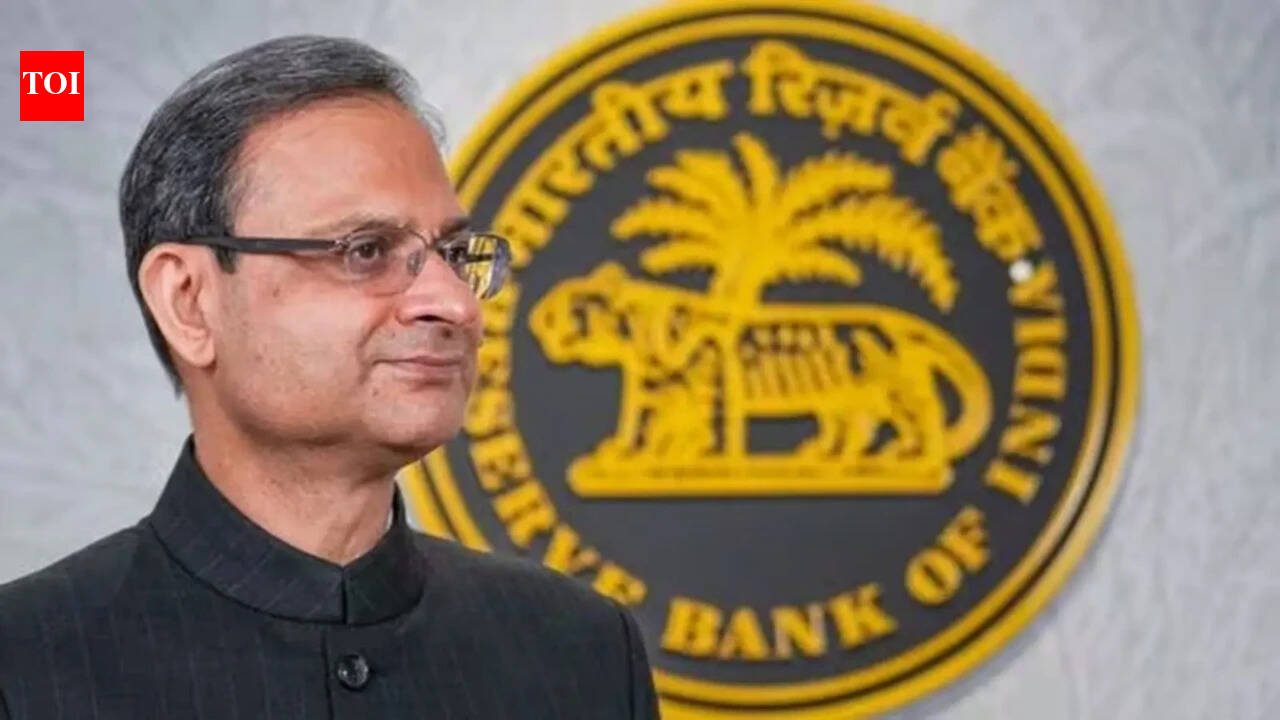
Infrastructure built on the promise of free or below-cost services cannot support patient capital — it is "a contradiction written into the balance sheet," according to Chief Economic Adviser Anantha Nageswaran, who declared that "free is the most expensive word in public policy." Business Today reported his remarks at the Tamil Nadu Infrastructure Summit, organised by the Confederation of Indian Industry (CII) in Chennai.
What makes infrastructure worthy of patient capital
Nageswaran, India's chief economic adviser, laid out the conditions under which long-term private capital commits to infrastructure projects. According to Business Today, he listed three requirements:
- Quality infrastructure;
- Contract certainty;
- Policy certainty.
He then added a fourth condition, which he said is "harder to say aloud": durable returns rest on two things — a price that covers the economic cost of a service, and a public willing to pay a fair charge for it. "There is no third way around it," he said, as reported by Business Today.
The cost of 'free'
Nageswaran framed the mismatch between free services and investor returns in blunt terms. The full statement, as carried by Business Today:
Infrastructure built on the promise of free or below-cost service cannot support patient capital. It is a contradiction written into the balance sheet. Someone always ends up paying; either the user pays a fair charge, the taxpayer pays a hidden one, or the asset itself pays through slow decay due to a lack of maintenance. Free is the most expensive word in public policy.
This sets out the three-way burden of under-priced infrastructure: the user, the taxpayer, or the asset itself through deferred maintenance.
The CEA's framework for investors and operators
For C-suite executives, investors, and equity analysts evaluating infrastructure exposure, the CEA's framework provides a checklist for where patient capital can and cannot be sustained. The source identifies the critical variables as pricing that recovers the economic cost of the service and public willingness to pay a fair charge — alongside the three structural conditions.
| Condition | Nageswaran's requirement |
|---|---|
| Asset quality | Quality infrastructure |
| Contract | Contract certainty |
| Policy | Policy certainty |
| Returns | Price covering economic cost + public willing to pay fair charge |
According to Business Today, Nageswaran emphasised that projects built on promises of free or below-cost service carry this tension on their books from the start. The consequence, as he stated, is that "someone always ends up paying" — either through user charges, hidden taxpayer subsidies, or gradual asset deterioration from under-funding.
Summit context
Nageswaran made the remarks at the Tamil Nadu Infrastructure Summit, an event organised by CII in Chennai and attended by business and policy stakeholders. His comments directly link fiscal-policy choices around freebies to the availability of long-term infrastructure capital — a central concern for investors allocating to Indian infrastructure and for corporates bidding on state projects.
The CEA's message, as reported by Business Today, leaves little room for ambiguity: "There is no third way around it." For infrastructure assets to attract patient capital, the economics must cover cost, and the public must accept paying a fair charge for quality service.
Sources: