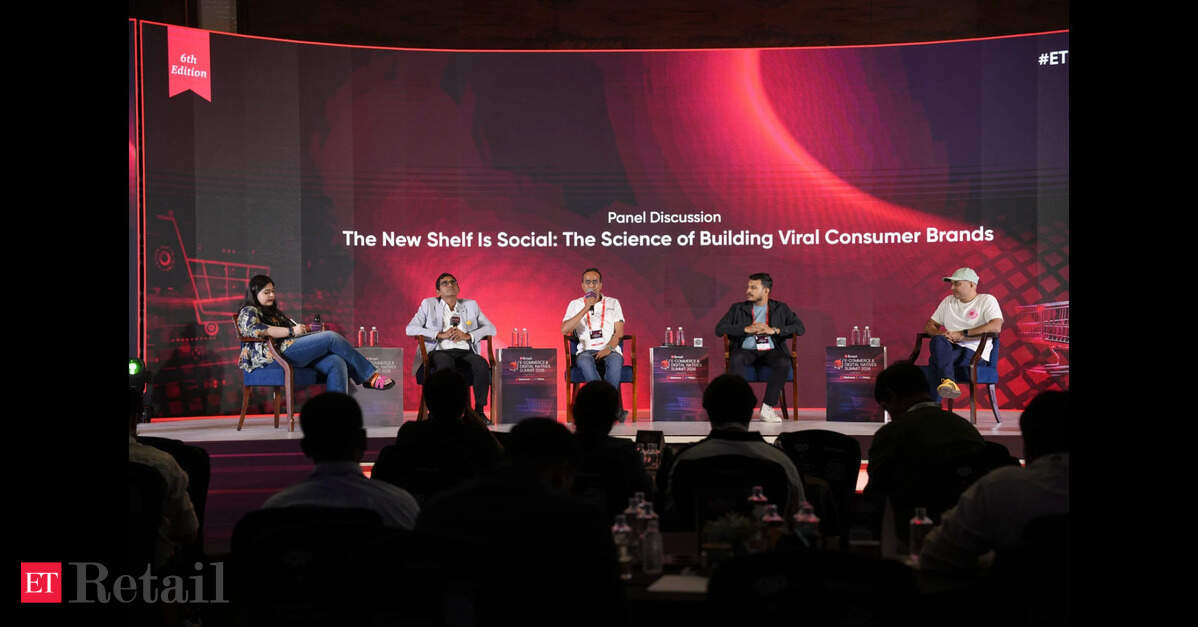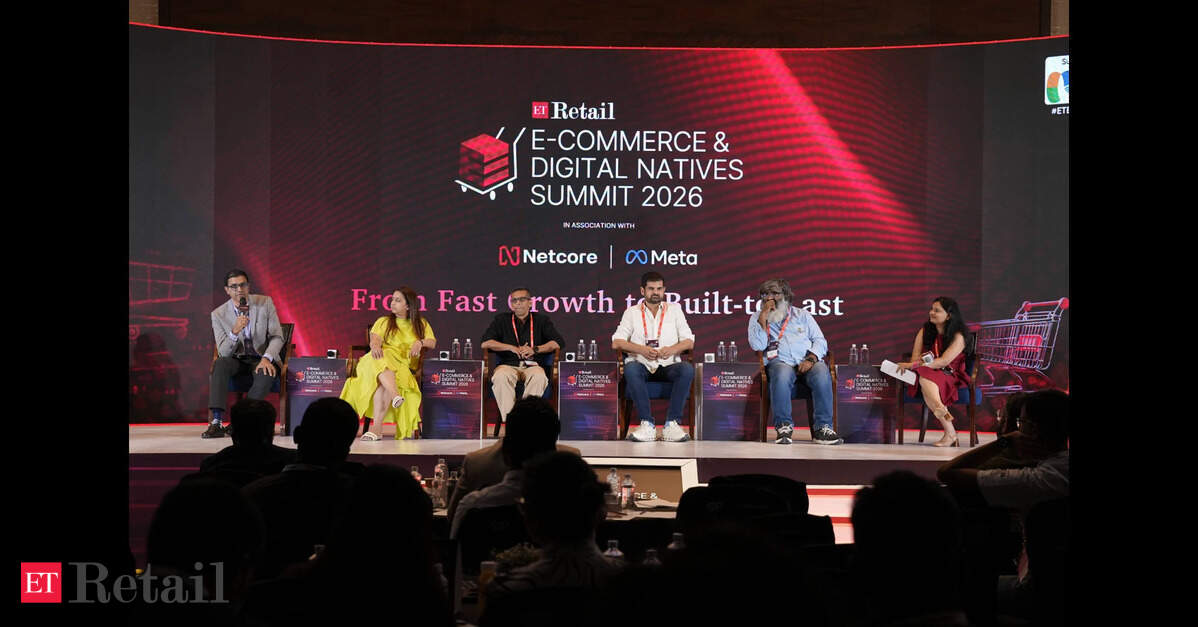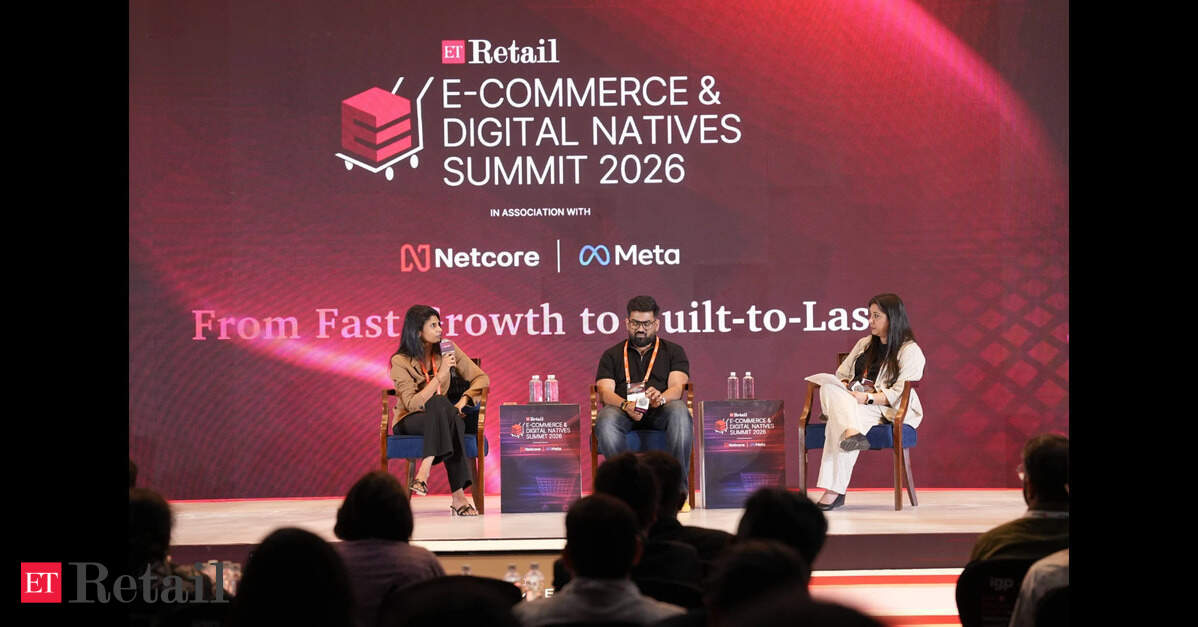
Brand longevity in today's noisy digital marketplace depends on a tripartite balance of cultural clarity, execution capital, and deep consumer understanding, according to founders who spoke at the EDNS 2026 conference. The discussion, titled “Trialogue: What Builds a Lasting Brand Today: Capital, Culture or Consumer Obsession?”, featured Anjana Reddy, Founder of Wrogn, and Amar Nagaram, Founder of Virgio, moderated by Charu Lamba, Associate Editor of ETRetail.
Brand Philosophy and Differentiation
Reddy opened by stating that the foundation of a lasting brand lies in cultural clarity and staying true to a defined consumer truth rather than chasing short-term trends, according to ETRetail. She noted that Wrogn was built on the idea of representing young India and questioning the status quo, and consistency in this philosophy has guided the brand’s decisions over the years. Reddy emphasised that brand identity is rooted in purpose and clarity of voice, and Wrogn's positioning is about questioning established norms and encouraging individuality among younger consumers.
Nagaram added that consumer expectations in fashion are evolving rapidly, and brands must be able to respond to shifting demand patterns rather than dictate them. He said Virgio’s approach focuses on interpreting consumer signals in real time and using technology to align product creation with demand rather than traditional push-based design cycles.
Capital, Execution and Early Mistakes
Discussing early-stage mistakes, Nagaram said one of the biggest learnings in his journey was underestimating the importance of organisational context when hiring from large enterprises into startups, as reported by ETRetail. He noted that execution complexity is often underestimated by founders, and real-world operations rarely align with planned models built on paper. Reddy added that founders often overestimate product strength and initial traction, mistaking early interest for long-term business viability. She said consistency in execution and clarity of consumer value proposition are more important than initial momentum. Both speakers agreed that execution capability and operational discipline are often more important than strategy alone in determining long-term success.
Consumer Behaviour and Retention
The discussion highlighted a shift in consumer behaviour from loyalty-driven purchasing to constant exploration across brands, according to ETRetail. Nagaram said customer acquisition has become significantly more expensive, making retention and relevance central to brand survival. He added that marketing may drive visibility, but retention depends entirely on product performance and continued relevance to the consumer. Reddy noted that while communication channels have evolved from print to social media, the underlying expectation of value remains unchanged, with quality acting as the strongest driver of loyalty.
Challenges in Building Scalable D2C Brands
Nagaram pointed out that one of the biggest challenges in fashion is managing volatility in consumer demand and aligning supply chains to rapidly shifting trends, as reported by ETRetail. He highlighted that the fashion industry requires constant responsiveness to consumer demand signals, and technology plays a critical role in predicting demand and improving agility in an environment defined by rapid trend cycles. Nagaram said brands today cannot rely on fixed seasonal structures and must instead continuously adapt to real-time consumer behaviour, especially in digitally driven markets.
| Aspect | Anjana Reddy (Wrogn) | Amar Nagaram (Virgio) |
|---|---|---|
| Brand Philosophy | Cultural clarity, questioning status quo | Real-time consumer signal interpretation |
| Key Mistake | Overestimating product traction | Underestimating organizational context in hiring |
| Consumer Retention Driver | Quality as strongest loyalty driver | Product performance and continued relevance |
| Supply Chain Approach | Not explicitly discussed | Use technology to predict demand and align production |
The session underscored that enduring brands are no longer built on marketing spikes or early traction alone, but on a balance of cultural clarity, execution capital and deep consumer understanding in an increasingly noisy digital marketplace.
Sources: