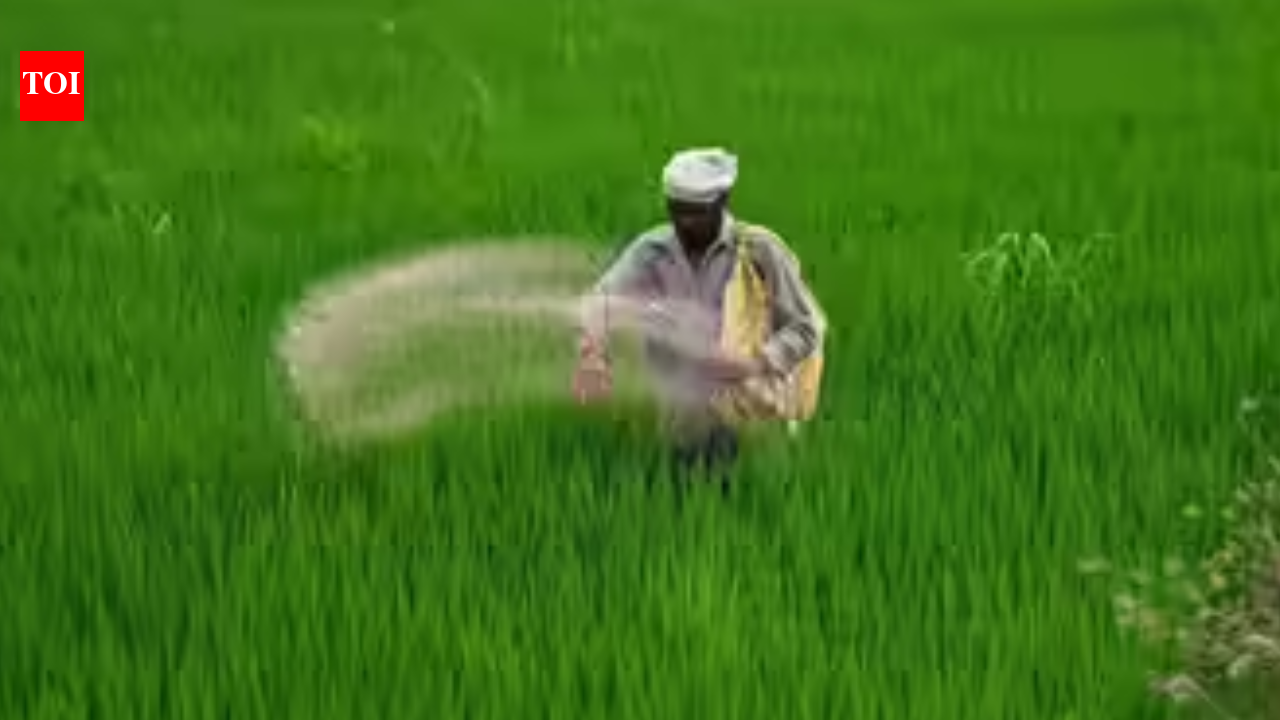
India, home to 17.5% of the global population, is facing a significant challenge as its irrigation water demand is projected to reach 807 billion cubic metres (BCM) by 2050. This projection, highlighted by the Ministry of Jal Shakti, underscores the urgent need for strategic water management.
Rising Demand and Resource Pressure
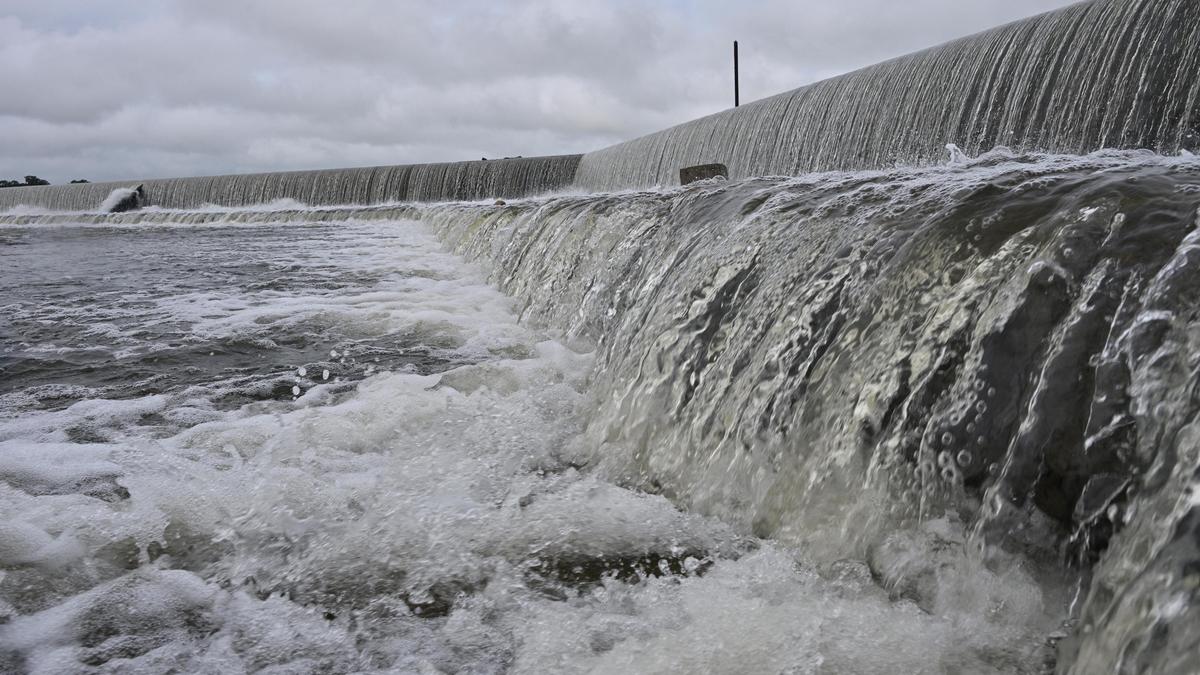
The Central Water Commission's study, "Reassessment of Water Availability in India using Space Inputs, 2019," reveals that India receives an average annual precipitation of approximately 3,880 BCM. However, after accounting for natural losses, the average annual water availability is estimated at 1,999.20 BCM. With agriculture consuming 80-90% of water in rural areas, the pressure on water resources is mounting.
The Role of Water Budgeting
The Ministry of Jal Shakti emphasizes the importance of water budgeting, a tool that enables communities to assess water availability and demand. This approach supports informed decision-making across agriculture, domestic use, livestock, and industry.
"Water budgeting has emerged as a significant tool for sustainable development in water-stressed regions where scarcity and uneven distribution threaten economic stability, food security, and climate resilience," the ministry stated.
Government Initiatives
To address these challenges, the government has launched initiatives such as the Atal Bhujal Yojana and the National Water Mission. These programs aim to promote sustainable water management practices and enhance water use efficiency.
Implications for Agriculture and Livestock
The 2019 livestock census indicates an increase in livestock numbers from 51.2 crore in 2012 to about 53.6 crore in 2019, with the cow population rising by 18%. This growth implies a corresponding rise in water demand for drinking, fodder production, and related activities.
| Year | Livestock Population (crore) | Cow Population Increase (%) |
|---|---|---|
| 2012 | 51.2 | - |
| 2019 | 53.6 | 18 |
Future Outlook
With groundwater levels declining and seasonal shortages becoming more common, the need for improved planning and demand management is critical. The ministry's push for water budgeting is a step towards ensuring sustainable water use and mitigating conflicts over water allocation.
The next milestone in this ongoing effort will be the evaluation of the effectiveness of these initiatives in the upcoming National Water Resources Conference.