iGEN
Visit IGEN World Explore IGEN Expo
EXPLORE UPGRADE PLANS
BREAKING
India's trade with West Asia gradually improving: Commerce Secretary Rajesh Agrawal Cass Report: Freight Volume Recovery On Track for Second Half of 2026 India Receives 32% Deficient Rains During June 1-15, IMD Data Shows ANNAM.AI and Syngenta Partner to Deliver AI-Driven Climate-Smart Agriculture to Indian Farmers Microsoft CEO Satya Nadella warns AI dominance could 'hollow out entire industries' Open-source Discord alternatives: What Stoat and Element actually fix - Engadget India launches producer price index; wholesale inflation gauge to be phased out in five years India, UK work to resolve issues holding up trade pact implementation, says official ‘Let the oil flow’: What Trump’s possible peace deal with Iran, Strait of Hormuz opening mean for India Samsung MAX VPN Shuts Down June 15, 2026, Leaving 50 Million Users Seeking Alternatives India's trade with West Asia gradually improving: Commerce Secretary Rajesh Agrawal Cass Report: Freight Volume Recovery On Track for Second Half of 2026 India Receives 32% Deficient Rains During June 1-15, IMD Data Shows ANNAM.AI and Syngenta Partner to Deliver AI-Driven Climate-Smart Agriculture to Indian Farmers Microsoft CEO Satya Nadella warns AI dominance could 'hollow out entire industries' Open-source Discord alternatives: What Stoat and Element actually fix - Engadget India launches producer price index; wholesale inflation gauge to be phased out in five years India, UK work to resolve issues holding up trade pact implementation, says official ‘Let the oil flow’: What Trump’s possible peace deal with Iran, Strait of Hormuz opening mean for India Samsung MAX VPN Shuts Down June 15, 2026, Leaving 50 Million Users Seeking Alternatives
Home ›› Business ›› Economy ›› Navigating Credit: How Lenders Assess New Borrowers

Navigating Credit: How Lenders Assess New Borrowers

Lenders face challenges evaluating new-to-credit customers due to lack of credit history. Existing bank relationships and job stability play crucial roles in credit approval. Recent grads face higher unemployment, impacting creditworthiness.

iG
iGEN Editorial
June 8, 2026
Navigating Credit: How Lenders Assess New Borrowers

Getting your first loan or credit card can be challenging for new-to-credit customers. Without a credit history, lenders find it difficult to assess creditworthiness, often leaving these individuals with limited options.

Existing Bank Relationships

A strong existing relationship with a bank can significantly improve the chances of obtaining credit. Banks often extend loan offers to consumers with salary accounts, especially those employed by large, reputable organizations. This relationship allows lenders to assess financial discipline through account management.

Job and Income Stability

Lenders evaluate job profiles, employer reputation, and income stability when considering new-to-credit applicants. High and steady income levels are seen as indicators of repayment capacity. However, frequent job changes or declining income trends can lead to stricter underwriting processes.

Challenges for Recent Graduates

Recent U.S. college graduates face higher unemployment rates than the average worker, with a 5.6% unemployment rate compared to 4.2% for all workers. This trend, which began in 2019, complicates credit assessments for new graduates.
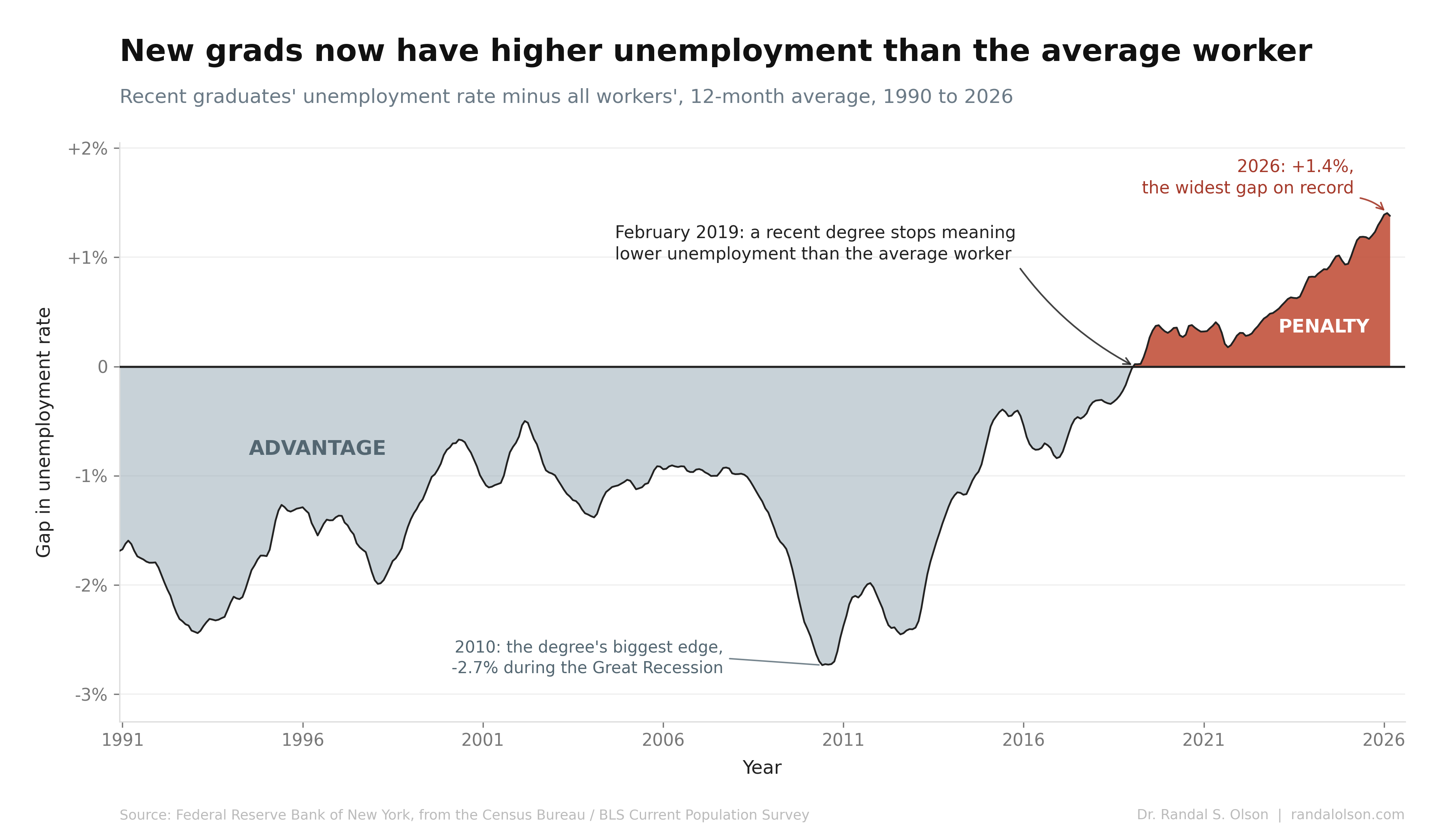
Unemployment Gap

"The job-finding advantage of young grads has been fading since around 2000," notes Dr. Randal S Olson.

Implications for Trade Finance

The lack of credit history and higher unemployment among recent graduates can impact trade finance. Higher costs of capital and increased hedging costs may arise as lenders adjust to perceived risks. Businesses must consider these factors when planning international trade and finance strategies.

Indicator Recent Grads All Workers
Unemployment Rate 5.6% 4.2%

Understanding these dynamics is crucial for finance executives and investors tracking trade-affected markets.


Keep Reading

Recommended Stories

India Does Not Use Methodology Changes to Inflate Growth Numbers, CEA Nageswaran Defends GDP Data Business

India Does Not Use Methodology Changes to Inflate Growth Numbers, CEA Nageswaran Defends GDP Data

Chief Economic Adviser V Anantha Nageswaran has defended India's GDP data, stating that the country does not use methodology or base-year changes to artificially inflate economic growth figures. In an ANI interview, he said GDP is an estimate, and India actually lowered its GDP figure after a recent rebasing exercise, contrary to many other nations. He also noted that international institutions like the IMF have only questioned methodology, not reliability, and that criticism often stems from unmet expectations.

June 15, 2026
Skilled Blue-Collar Talent Demand Surges 500% for Robotics as AI Drives 'Labour Flip' Business

Skilled Blue-Collar Talent Demand Surges 500% for Robotics as AI Drives 'Labour Flip'

Randstad analysis of 50M+ job postings reveals demand for skilled blue-collar roles in India surged dramatically, with robotics technicians up over 500%. The 'labour flip' is narrowing pay gaps between blue-collar and entry-level white-collar jobs.

June 15, 2026
At 4.2%, US Inflation Posts Biggest Gain in Three Years, Fed Rate Path Affected Business

At 4.2%, US Inflation Posts Biggest Gain in Three Years, Fed Rate Path Affected

The US consumer price index increased 4.2% in the 12 months through May, the largest gain since April 2023, according to the Bureau of Labour Statistics. Surging energy prices amid the West Asia conflict and renewed US-Iran tensions contributed to the rise, giving the Federal Reserve cover to keep interest rates unchanged into 2027. Wall Street indexes fell, with the S&P 500 tech index down 1.6%.

June 15, 2026
Why the US economy keeps defying the odds: corporate investment and energy resilience drive outperformance Business

Why the US economy keeps defying the odds: corporate investment and energy resilience drive outperformance

The US economy continues to grow at a steady pace despite global shocks such as trade tariffs, immigration changes, and Middle East conflict. Corporate capital expenditure remains high at 13.9% of GDP, productivity has risen, and energy independence from fracking has reduced vulnerability to oil price spikes. Cultural attitudes toward risk-taking and structural differences with Europe further explain the divergence.

June 14, 2026