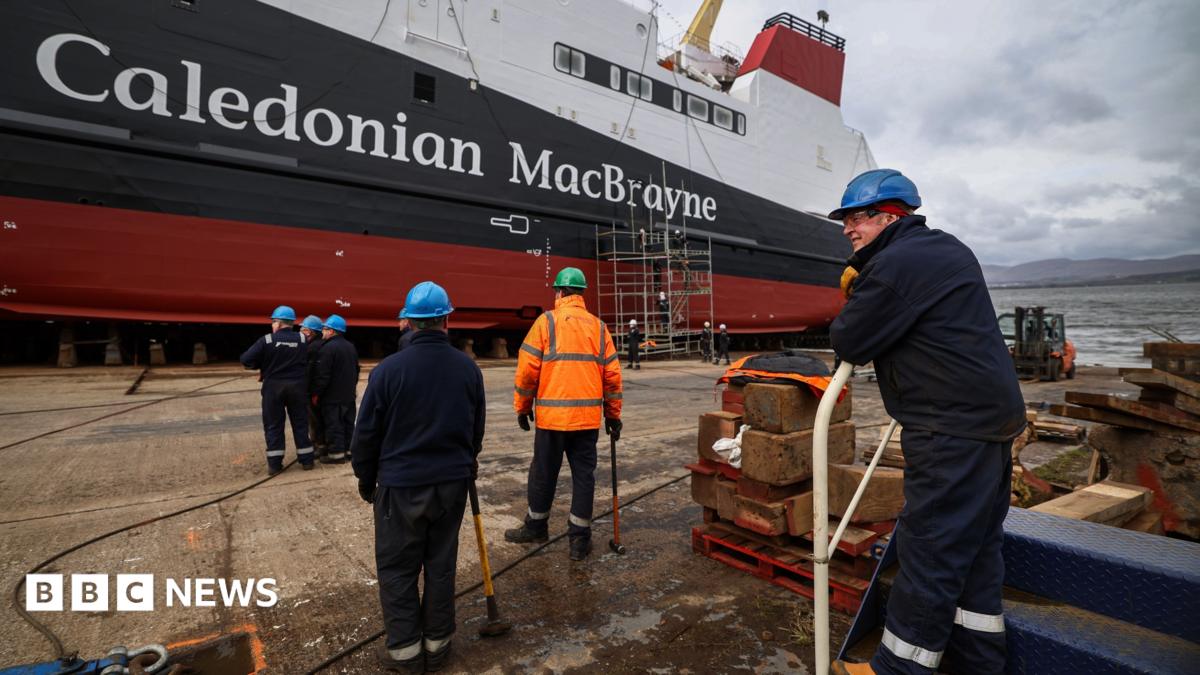
The conversation around artificial intelligence has centred on job disruption, but a new analysis shows the technology is also driving a sharp increase in demand for skilled blue-collar talent in India. An analysis by Randstad of over 50 million job postings, shared exclusively with the Times of India, found that demand for electricians surged 242%, for HVAC technicians 200%, and for robotics technicians over 500% in four years.
"Every AI breakthrough has a physical backbone — power grids need an upgrade, cooling systems must be built, and factories increasingly need to be automated. Behind every intelligent machine, highly specialised human expertise is required," said Viswanath P S, MD & CEO of Randstad India, in an exclusive interview. He described the trend as a pronounced 'labour flip', with skilled technical trades outpacing traditional entry-level professional roles.
Compensation Narrowing
According to the Randstad analysis, the surge in demand is reshaping compensation structures. Average blue-collar salaries in India are growing at 5.7% year-on-year compared with 4% for entry-level white-collar roles. The average blue-collar salary in India is $2,612, but specialised roles command significantly more.
| Role | Average Annual Salary ($) |
|---|---|
| Robotics / Specialised Maintenance Mechanics | 9,106 |
| Plant and Machine Operators | 7,815 |
| Building and Construction Workers | 5,420 |
| Electricians (includes HVAC installation/wiring) | 3,296 |
| Entry-Level White-Collar (data-entry, junior accounting) | 2,711 |
Job Volume Growth
India's blue-collar job volumes have surged 93% in the four years between 2022 and 2026, driven by infrastructure development and AI-related backbones, the analysis said. Interestingly, white-collar roles also demonstrated robust momentum, growing by over 40%, creating a dual-growth market unique to India compared with major Western economies that saw desk-based work contract.
Implications for Investors and Executives
For corporate strategy teams and investors, the data signals a structural shift in India's labour market. The narrowing wage gap between skilled trades and entry-level white-collar roles suggests that companies investing in automation and AI infrastructure must also invest in specialised human talent. The rise of Global Capability Centres (GCCs) in India is creating entry-level white-collar opportunities, but as Viswanath noted, "it remains to be seen how long these jobs will endure in an AI-driven environment." This uncertainty highlights the strategic importance of developing a skilled blue-collar pipeline alongside AI adoption.
Sources: