The Bank of Japan (BOJ) raised its main interest rate to 1% on Tuesday, marking the highest level since 1995, according to the BBC. The quarter-point increase from 0.75% comes as global energy prices surge and the Iran war drives up living costs.
Rate Hike Details
The BOJ's decision lifts its so-called policy rate to 1%, the highest since 1995. The bank has been gradually raising rates since March 2024, when it enacted its first hike in 17 years. Japan had cut rates aggressively in the 1990s to combat asset price collapses and kept them near zero for two decades amid deflation and stagnant growth.
Economic and Inflationary Pressures
"After twenty years of deflation, Japan is now in an inflationary upcycle," Japan economist Jesper Koll told the BBC. "Emergency/crisis management monetary policy is no longer needed and the BOJ wants to get back to a normal monetary policy," he added.
Higher energy prices have fuelled inflation, adding pressure on countries like Japan that depend heavily on oil and gas from the Middle East. Japan's wholesale prices climbed by more than 6% in May from a year earlier, rising at the fastest pace in three years.
"After twenty years of deflation, Japan is now in an inflationary upcycle." – Jesper Koll, Japan economist
Policy Challenges and Leadership
BOJ Governor Kazuo Ueda – a central figure in rate decisions – missed this week's meeting due to being in hospital for treatment of an infected liver cyst. However, he and other policymakers have expressed an increasingly positive stance on raising rates in recent months. Ueda said earlier this month: "Even if the situation remains unclear, should it be judged that upside risks to prices outweigh downside risks to economic activity, it will be necessary to thoroughly discuss the pros and cons of raising the policy interest rate."
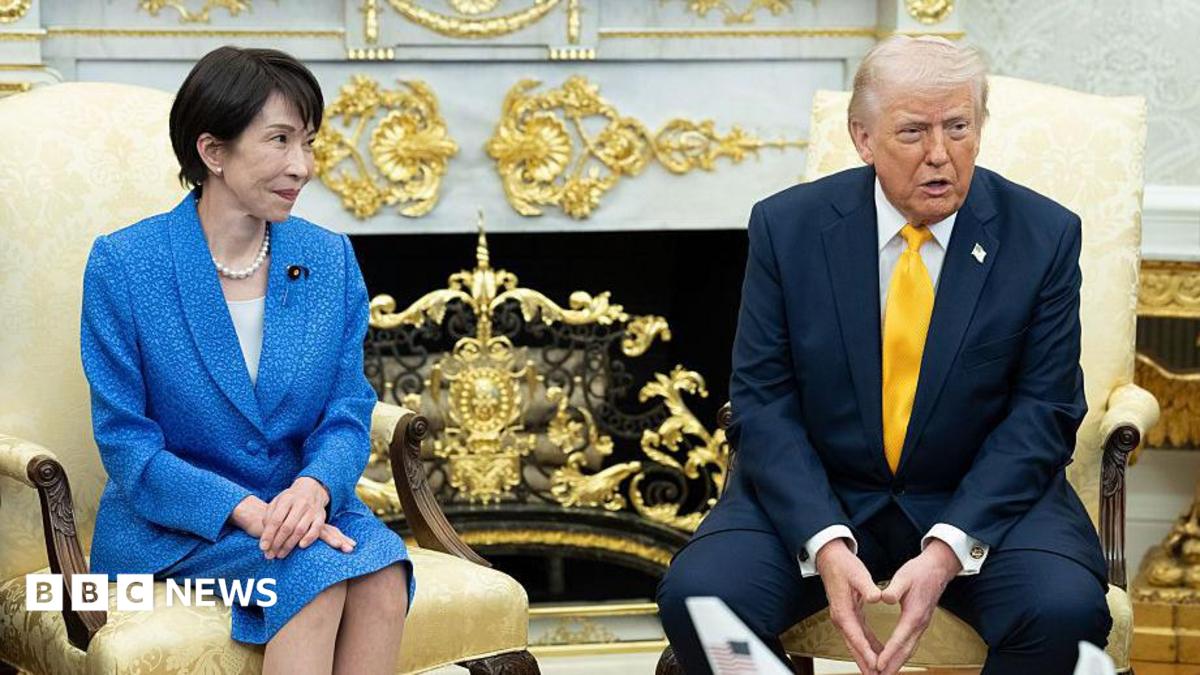
Prime Minister Sanae Takaichi, known for supporting spending, has previously dismissed the idea of hiking rates but has not publicly criticized the BOJ's push since taking office last year.
The BOJ faces a trade-off: raising rates could help lower inflation but also makes borrowing costlier, increasing expenses for the government and businesses.
Global Context
The rate decision also aims to stabilize the yen, which has come under pressure from major currencies like the US dollar and the euro. "There has been a sense that the yen is too cheap and that raising its currency will not hurt," said Ulrike Schaede, business professor at the University of California San Diego.
Even with the hike, Japan's rate remains low compared to other big economies. The US and UK currently have rates above 3%.
| Economy | Policy Rate |
|---|---|
| Japan | 1% |
| United States | Above 3% |
| United Kingdom | Above 3% |
"But what we are seeing could signal 'a slow global realignment,'" Schaede said.
Additional reporting by Osmond Chia.
Sources: