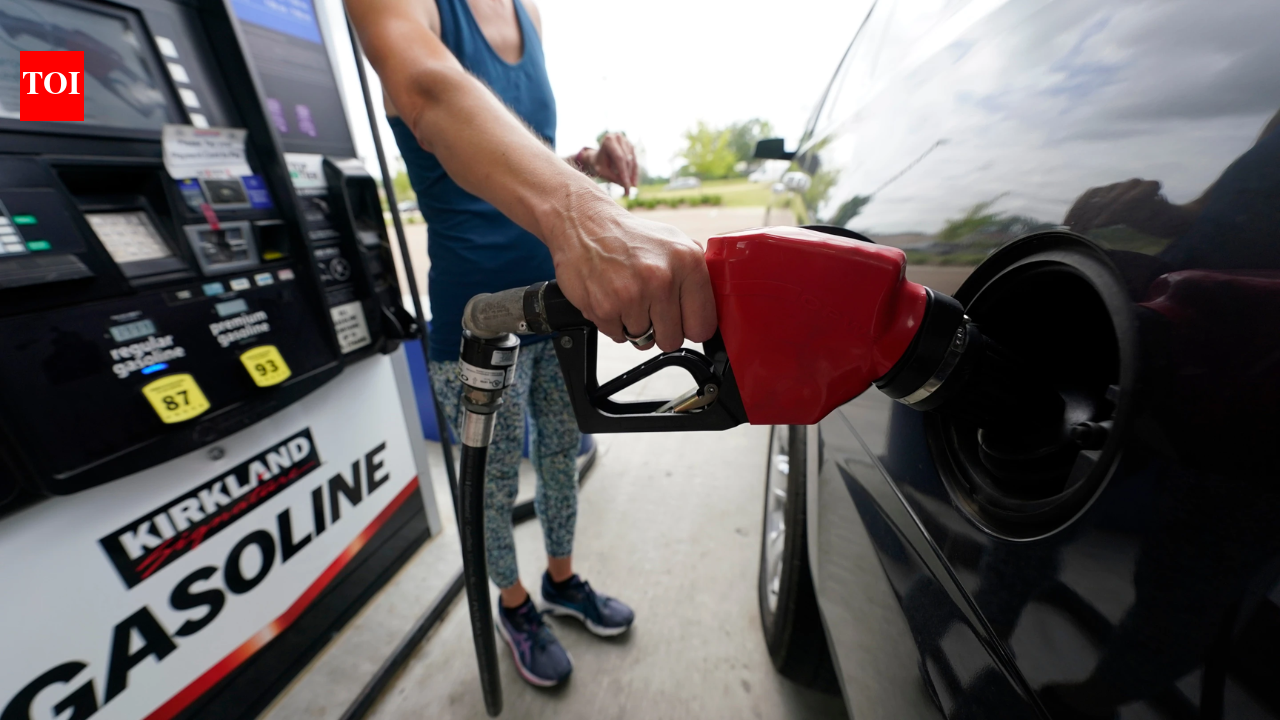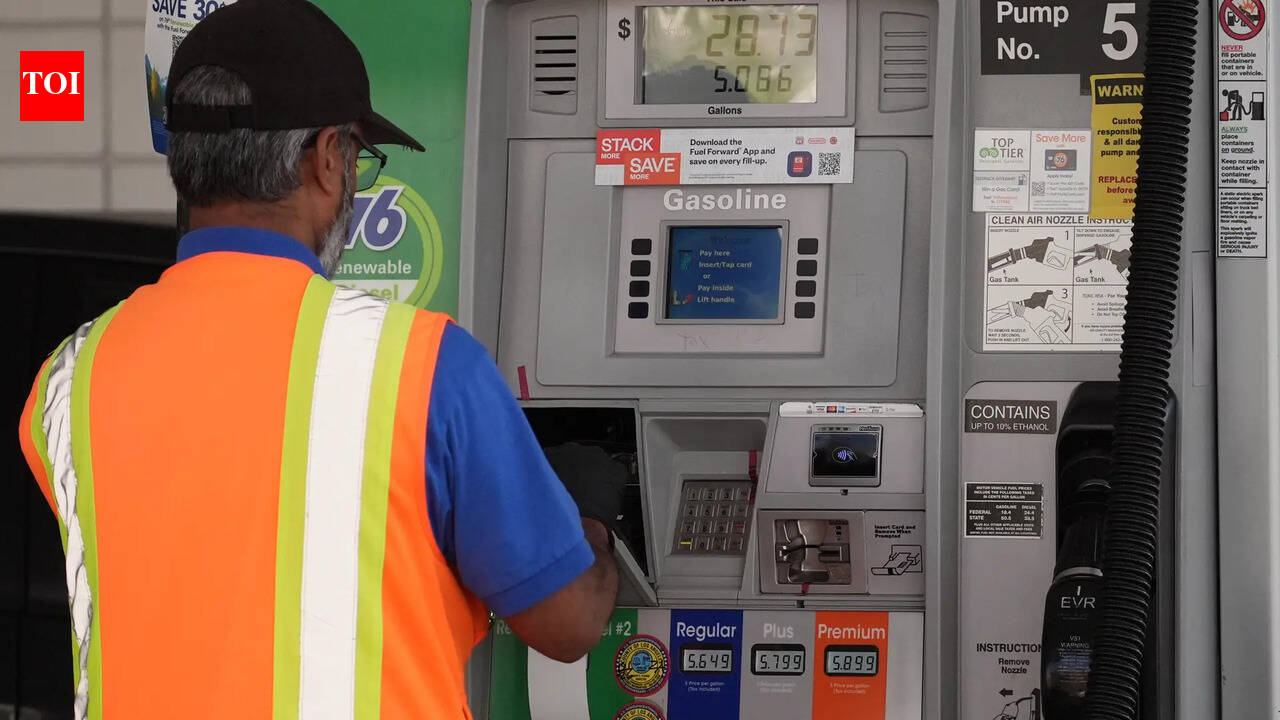
After months of climbing fuel costs, US drivers are getting a small reprieve: the national average price of regular gasoline fell below $4 a gallon on Thursday, according to AAA. The benchmark stood at $3.999 per gallon, a level not seen since the early weeks of the war, as global crude benchmarks tumbled to near $75 per barrel from a peak of $126 per barrel amid the Middle East conflict.
Still Elevated Compared to Pre-War Levels
Despite the decline, fuel prices remain significantly higher than before the war began on February 28. American motorists are still paying about $1 more per gallon than before the conflict, and gasoline costs are roughly 25% higher than the same time last year, according to the source.
Consumer and Corporate Impact
Rising fuel costs have forced many households to tighten budgets. Dylan Brewer, an assistant professor in Georgia Tech’s School of Economics, said that rising fuel prices can lead some consumers to cut back even on essential purchases such as groceries. "If costs continue to fall in the coming weeks," Brewer added, more people may be able to "loosen their belts a little bit." He noted that businesses dependent on petrol and diesel for transportation could also benefit from lower fuel costs, although it may take several months for those savings to move through supply chains.
Pat Penfield, a professor of supply chain practice at Syracuse University, cautioned that even with oil and other commodities beginning to flow again, higher prices are likely to persist. "Product prices across the United States are projected to keep climbing for the rest of 2026," Penfield said on Thursday. He pointed to depleted inventories and disrupted supply chains, adding that farmers faced higher fertiliser costs this spring, which would "ripple through to increased food prices by autumn." Penfield also highlighted that limited refining capacity in the US "remains a significant bottleneck" to further reductions in fuel prices.
Regional Price Gaps
Price variations across states remain stark due to differences in taxation and proximity to supply. On Thursday, the highest average prices were recorded in:
| State | Average Price per Gallon |
|---|---|
| California | $5.64 |
| Hawaii | $5.57 |
| Indiana | $3.40 |
| Texas | $3.49 |
These gaps underscore that while the national average is below $4, many drivers—especially in coastal states—continue to pay well above that level.
Strait of Hormuz Reopening and Recovery Timeline
Maritime data from Lloyd’s List Intelligence showed that major shipowners have started moving vessels through the Strait of Hormuz following the signing of a memorandum of understanding on Wednesday. US Vice President JD Vance also said on Thursday that the US Navy had lifted its blockade to permit some transit to and from Iranian ports. However, analysts expect it could take weeks or even months for shipping activity to return to pre-war levels. Before the conflict, the Strait of Hormuz carried around one-fifth of the world’s crude oil, and Gulf producers had reduced output.
Inflation and Broader Economic Context
Higher fuel costs have already contributed to pushing US inflation to its highest level in three years. Fuel is not the only expense that has risen: groceries, airline tickets, shoes, and condoms have become more expensive amid global supply chain disruptions. The combined effect continues to pressure household budgets and corporate margins.
Outlook
While the dip below $4 is a welcome sign, the path to sustained relief remains uncertain. Penfield’s projection of rising product prices through 2026 and the refining bottleneck suggest that the impact of lower oil prices may be slow to reach consumers. For businesses, any savings in transportation costs will take time to materialise, and the recovery in global supply chains through the Strait of Hormuz is expected to be gradual.
Sources: