iGEN
Visit IGEN World Explore IGEN Expo
EXPLORE UPGRADE PLANS
BREAKING
Werner Enterprises Posts Highest Revenue Per Truck Growth in One-Way Segment in a Decade CMA CGM and Stonepeak Launch United Ports LLC in $2.4 Billion Terminal Joint Venture UPS shift away from Amazon shows bigger payoff Lanesurf: 62% of Loads Get Vetted Carrier Offers Before Brokers Arrive India-China Border Trade Via Lipulekh Resumes Aug 1; China Permits 20 Traders Geopolitics Drives CMA CGM Q2 Profit Surge of 42% as Volumes and Rates Climb Benchmark Diesel Price Rises Third Week as Futures Plunge; Spread Hits Record Indian Government Limits Sugar Dealers to 400 Tonnes Stock Until November to Curb Hoarding Tenants signing longer leases for larger warehouses as 3PLs lock in capacity US stock market flat as S&P 500 and Dow barely move, Nasdaq slides over 1% on chip rout Werner Enterprises Posts Highest Revenue Per Truck Growth in One-Way Segment in a Decade CMA CGM and Stonepeak Launch United Ports LLC in $2.4 Billion Terminal Joint Venture UPS shift away from Amazon shows bigger payoff Lanesurf: 62% of Loads Get Vetted Carrier Offers Before Brokers Arrive India-China Border Trade Via Lipulekh Resumes Aug 1; China Permits 20 Traders Geopolitics Drives CMA CGM Q2 Profit Surge of 42% as Volumes and Rates Climb Benchmark Diesel Price Rises Third Week as Futures Plunge; Spread Hits Record Indian Government Limits Sugar Dealers to 400 Tonnes Stock Until November to Curb Hoarding Tenants signing longer leases for larger warehouses as 3PLs lock in capacity US stock market flat as S&P 500 and Dow barely move, Nasdaq slides over 1% on chip rout
Home ›› Commodities ›› Commodities Agri ›› How Consumer Buying Behaviour Is Reshaping the Indian Edible Oil Industry

How Consumer Buying Behaviour Is Reshaping the Indian Edible Oil Industry

India's edible oil industry is undergoing a transformation driven by more alert consumers who compare prices and check unit rates. The government has standardised pack sizes to fixed volumes, eliminating confusing odd-sized packs. The market, at 25 million tonnes in 2024, is projected to reach 28.2 million tonnes by 2033, with household consumers accounting for 64% of consumption.

iG
iGEN Editorial
June 20, 2026
How Consumer Buying Behaviour Is Reshaping the Indian Edible Oil Industry

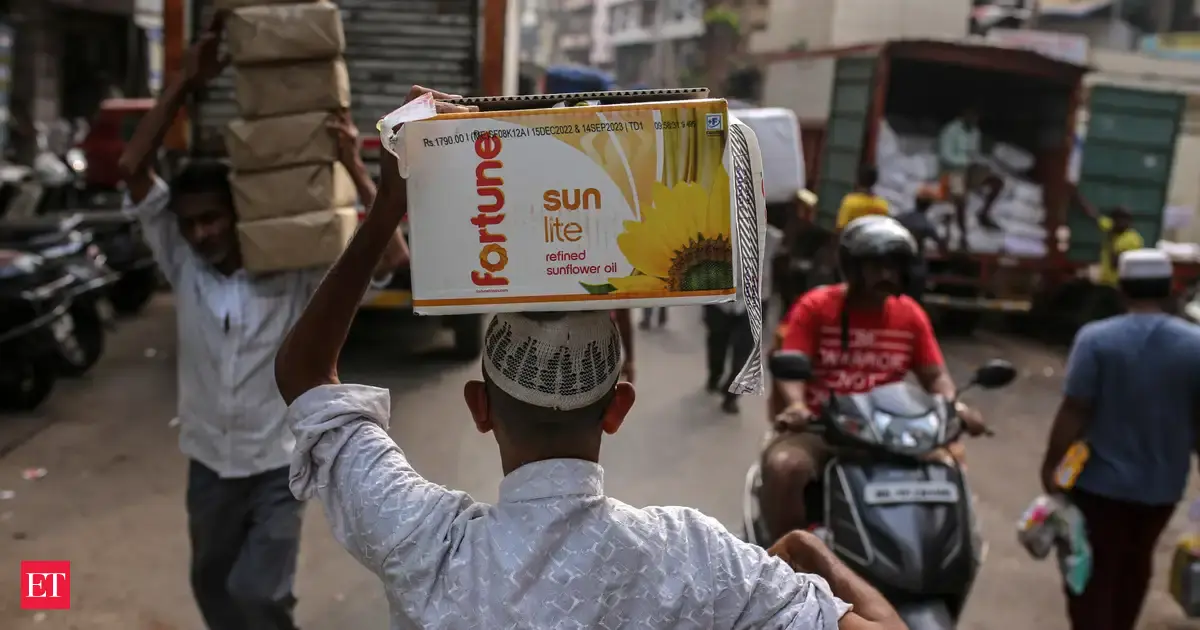
The Indian consumer today is far more alert at the point of purchase than they were even five years ago, according to a report by The Hindu Business Line. People are comparing prices across platforms, checking unit rates, and questioning why two packs of the same oil are priced similarly but differ in volume by 100 ml. This growing scrutiny has nudged policymakers: the government has moved to standardise edible oil pack sizes to fixed volumes of 500 ml, 1 litre, 2 litres, and 5 litres.

The Pack Size Standardisation

Most consumers are drawn to price at the point of purchase and rarely pause to check net weight, the report noted. This gap between what attracts the eye and what determines value has been exploited through non-standard packaging. While authorities had previously made the mention of Unit Sale Price mandatory on packaging, poor consumer awareness meant the regulation never achieved its purpose. The standardisation move addresses this at the root by removing complexity entirely, rather than asking consumers to navigate it.

When every product on the shelf sits in an identical pack size, the comparison becomes honest and immediate: price per litre is visible, value is clear, and the choice belongs entirely to the buyer. The current maze of odd-sized packs — 850 ml, 950 ml, 650 ml, 700 ml — has long made that comparison needlessly difficult. Standardisation removes that confusion, and the report said this is a reform the industry should welcome without reservation.

The impact of this policy is expected to become visible once the three-month transition period for clearing existing inventory is completed and the new standardised pack sizes are fully implemented in the market. Over time, this greater clarity could encourage consumers to evaluate options more carefully, explore different brands, and make more informed purchasing decisions.

India's Edible Oil Market Size and Consumption

India is among the world's largest consumers of edible oil, with the market touching 25 million tonnes in 2024. Projections put this at 28.2 million tonnes by 2033, and the market's rupee value is expected to reach ₹5,19,905 crore by FY 2027-28, according to the report. Household consumers account for 64 per cent of total edible oil consumption in India.

Metric Value
Market size (2024) 25 million tonnes
Projected size (2033) 28.2 million tonnes
Rupee value (FY2027-28) ₹5,19,905 crore
Household consumption share 64%

Shift from Loose to Packaged Oil

The steady decline of loose, unbranded oil is one of the clearest signals of changing consumer behaviour, the report said. The unorganised segment is losing market share consistently as consumers move toward packaged oils — not just for hygiene, but because the pack now carries information they actually use: an FSSAI mark, a nutritional panel, a quality certification. These have entered the purchase decision in a way they had not before. The informed buyer is no longer an exception; they are becoming the norm.

Industry Outlook

The Indian edible oil industry is set to grow from $19.86 billion in FY2024 to $26.19 billion by FY2032, according to the report. That opportunity will not be shared equally. It will flow toward companies that have kept pace with the consumer — investing in quality, building genuine trust, and communicating honestly about what is inside the bottle. Standardised pack sizes are one step in the right direction, but the responsibility does not end there. Better label transparency and product quality will be key to capturing the growing market.


Sources: AGRI_TIO
Keep Reading

Recommended Stories

Cod Prices Surge Amid Supply Challenges and Consumer Loyalty Commodities

Cod Prices Surge Amid Supply Challenges and Consumer Loyalty

Cod prices have surged to unprecedented levels due to fishing quotas and geopolitical tensions, forcing UK fish and chip shops to diversify their offerings. Despite the price hike, consumer loyalty to cod remains strong.

June 7, 2026
Weather Shocks, Structural Weaknesses Fuel Volatility in Coffee, Cocoa, Tea Prices, Says FAO Commodities

Weather Shocks, Structural Weaknesses Fuel Volatility in Coffee, Cocoa, Tea Prices, Says FAO

A new FAO report highlights that weather-related shocks remain the primary driver of price volatility in coffee, cocoa, and tea markets. Supply concentration and growing consumption create fertile ground for swings. Price changes are not transmitted evenly, with producers bearing the brunt.

July 20, 2026
Fuel Prices Soar Like a Rocket, Fall Like a Feather: Breakthrough Economist Explains Commodities

Fuel Prices Soar Like a Rocket, Fall Like a Feather: Breakthrough Economist Explains

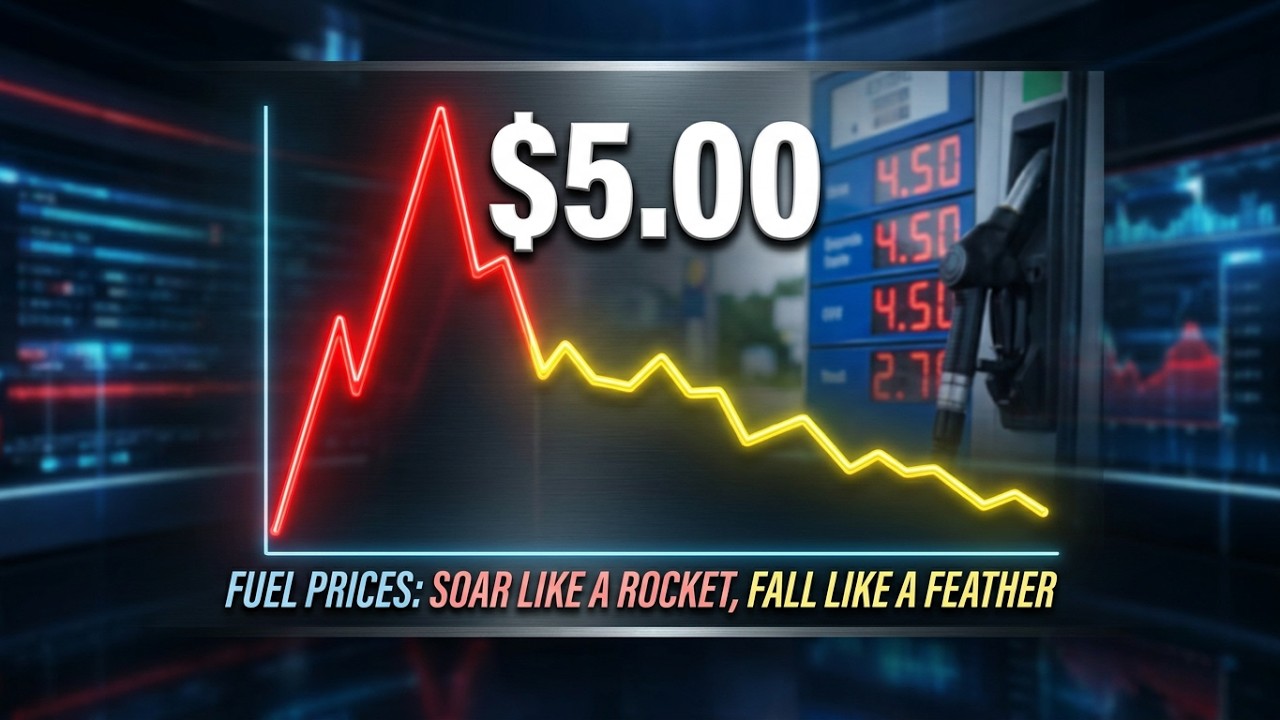
The 'rocket and feather' phenomenon describes how fuel prices surge quickly but decline gradually. Breakthrough Chief Economist Matthew Muenster explains the operational and market dynamics behind this, including inventory strategies and competitor pricing. The article also highlights upcoming supply chain events.

July 8, 2026
India's 2026-27 cotton carry-forward stocks seen 42% higher at 85 lakh bales on import surge Commodities

India's 2026-27 cotton carry-forward stocks seen 42% higher at 85 lakh bales on import surge

India's cotton carry-forward stocks at the start of the 2026-27 season are projected to rise 42% to over 85 lakh bales, driven by higher imports following the government's import duty exemption. The Cotton Association of India (CAI) reports imports of 43.5 lakh bales by end-May 2026, with total imports expected to reach 60-65 lakh bales. Despite price parity, textile mills prefer imported cotton due to 4% higher yarn realisation and a ₹7/kg premium on yarn.

June 15, 2026