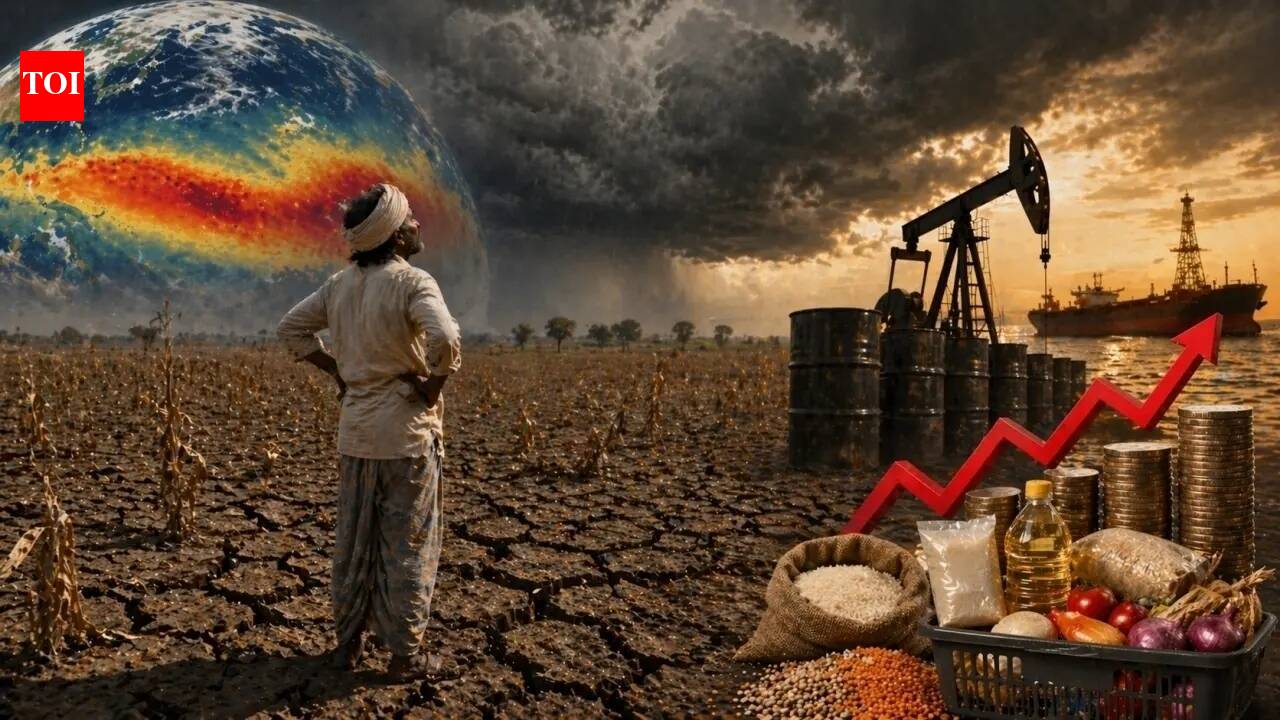
India is currently facing a 40% rainfall deficit, and the government has prepared district-level contingency plans to address potential rainfall uncertainty, according to PK Singh, Agriculture Commissioner of the Ministry of Agriculture & Farmers Welfare. Speaking to ANI at the India Innovative Crop Nutrition Conclave 2026 organised by the Federation of Indian Chambers of Commerce and Industry (FICCI), Singh stated that the plans are based on information from the India Meteorological Department (IMD) and will be implemented wherever needed according to rainfall conditions.
Contingency Plans and Irrigation Improvements
Singh noted that irrigation capacity has expanded significantly since the 2015 El Niño event, providing a buffer against crop losses. He compared the current situation to 2015 but stressed that "our irrigation infrastructure has expanded significantly since then." The district-level plans are designed to be activated as needed, tailored to local rainfall conditions. This proactive approach aims to mitigate the impact on kharif crops such as rice, pulses, and oilseeds.
Food Grain Stocks and Import Options
India holds ample stocks of rice and wheat, according to Singh. He stated, "Stocks of rice and wheat are very healthy," and emphasised that any shortages will be addressed, including through imports if required. The government's buffer stocks provide a safety net for food security, reducing the risk of price spikes despite the rainfall deficit.
| Metric | 2015 El Niño | 2026 Current |
|---|---|---|
| Rainfall deficit | Similar conditions | 40% deficit |
| Irrigation capacity | Limited | Expanded significantly (Singh) |
| Food grain stocks | Normal | "Very healthy" (Singh) |
| Contingency plans | Not emphasised | District-level plans ready |
Farmers Likely to Shift to Pulses
Delayed monsoon and drought-like conditions often prompt farmers to shift from water-intensive crops like paddy to pulses and other short-duration crops requiring less water, Singh explained. "Since these are short-duration crops requiring less water," he said, noting that a 40% deficit provides an incentive for such shifts. This could alter the sowing pattern for the current kharif season, potentially increasing pulse acreage at the expense of rice and coarse grains.
Outlook and Market Implications
The situation remains under monitoring as the monsoon progresses. Singh added that "the situation is such that there is a 40% rainfall deficit," and the government will continue to observe conditions. For commodity traders and procurement teams, the key developments to watch are the spatial distribution of rainfall over the coming weeks, any activation of contingency plans, and acreage data. If the deficit persists, India's pulse imports may rise, while ample wheat and rice stocks should limit upside price risk for those grains. The July 2026 IMD forecast and weekly rainfall data will be critical inputs for market assessments.
Sources: