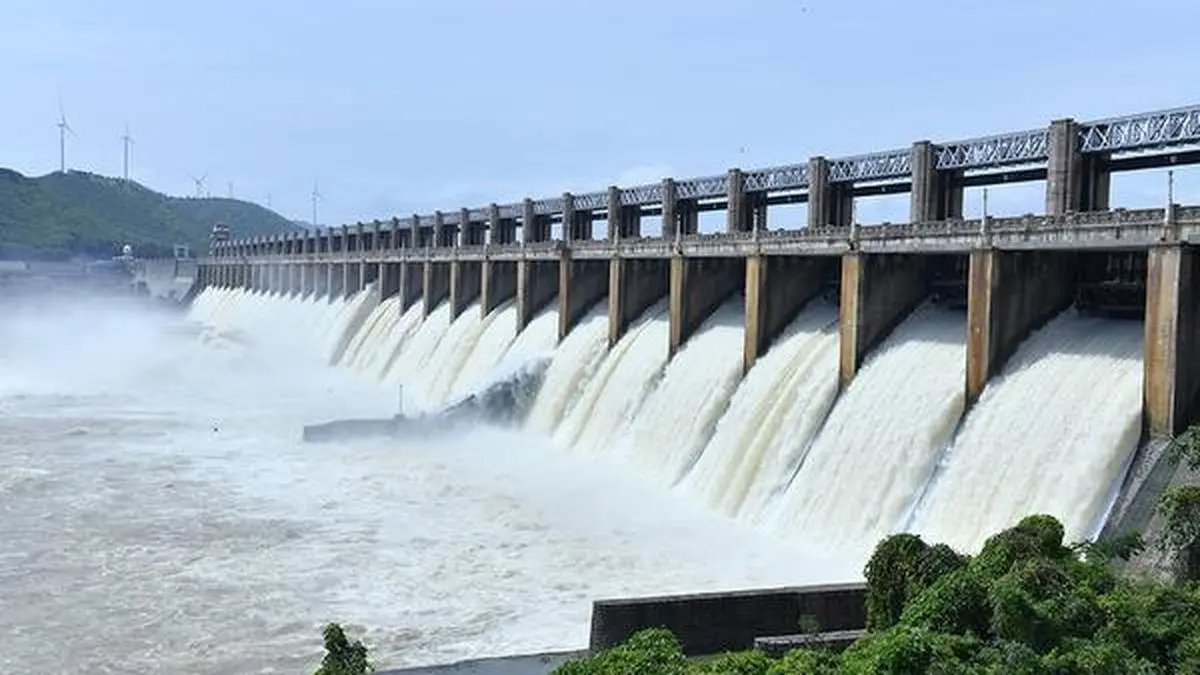
Storage in India’s 166 major reservoirs has dropped to 27.5% of overall capacity this week, according to a report by The Hindu BusinessLine. The depletion comes as the South-West Monsoon has been playing truant due to the emergence of El Niño, with cumulative rainfall since the season began at only 48.5 mm against a normal of 80.6 mm.
Monsoon Deficit and El Niño Impact
The monsoon is 40% deficient as of June 18, with central India—a key region for kharif crop production—facing a 62% deficit. The deficit is attributed to El Niño conditions, which typically suppress rainfall over the Indian subcontinent during the early monsoon phase. As a result, only 1 in 5 reservoirs is currently half-full, compared with higher storage levels a year ago, The Hindu BusinessLine reported.
Regional Breakdown of Rainfall and Storage
Rainfall deficiency varies sharply across regions:
- East and North-East India: 42% lower than normal
- South India: 21% lower than normal
- North-West India: 2% lower than normal, thanks to western disturbances
- Central India: 62% deficit, the most severe
The following table summarises the regional monsoon performance:
| Region | Rainfall Deficiency (%) |
|---|---|
| Central India | 62 |
| East & North-East India | 42 |
| South India | 21 |
| North-West India | 2 |
Implications for Kharif Crops and Commodity Markets
Central India and North-West India are the primary growing regions for kharif crops such as rice, pulses, oilseeds, and cotton. A 62% rainfall deficit in central India threatens timely sowing and early crop development. With reservoir storage already low, irrigation supplies for the critical June–July planting window may be constrained. Commodity traders and procurement teams should monitor weekly reservoir updates and crop progress reports, as any further deterioration could tighten supplies of key agricultural commodities later in the season. The low storage also raises the risk of government restrictions on exports of staples like rice to ensure domestic availability, a policy response seen in previous drought years, though no such measure has been announced yet.
Outlook
No short-term relief is in sight as El Niño is expected to persist, according to The Hindu BusinessLine. The next round of data on reservoir levels and monsoon progress will be released next week. Traders should watch for triggers such as acreage data from the Ministry of Agriculture and any changes in the monsoon forecast by the India Meteorological Department. A sustained deficit will likely support prices of agricultural commodities, especially rice and pulses, in the coming months.
Sources: