iGEN
Visit IGEN World Explore IGEN Expo
EXPLORE UPGRADE PLANS
BREAKING
Everyone Is Freaking Out About OpenAI and Anthropic’s Race for Dominance Govt Debunks AI-Generated Fake Video of Finance Minister Nirmala Sitharaman Promoting Investment Scheme UPS Unveils Digital Tools to Attract Small Businesses Amid Strategic Shift from Low-Margin E-Commerce CPKC sets second-quarter revenue record as operating income rises 10% Your Freight Funnel Is Leaking Margin: What Your Reports Won't Show Transponders Off: Saudi Crude Tankers for India Exit Red Sea 'Dark' to Avoid Houthi Blockade Nvidia’s Open Source Alliance Snubs OpenAI and Anthropic, Deepening AI Rift For the First Time, Zoox Can Charge People for Rides in Its Steering-Wheel-Free Robotaxis Chrome's AI-Driven Bug Hunt Spurs Twice-a-Week Security Patches, Google Reports Domestic Sugar Prices to Remain Firm in Short-Term, Says Triveni Engineering Everyone Is Freaking Out About OpenAI and Anthropic’s Race for Dominance Govt Debunks AI-Generated Fake Video of Finance Minister Nirmala Sitharaman Promoting Investment Scheme UPS Unveils Digital Tools to Attract Small Businesses Amid Strategic Shift from Low-Margin E-Commerce CPKC sets second-quarter revenue record as operating income rises 10% Your Freight Funnel Is Leaking Margin: What Your Reports Won't Show Transponders Off: Saudi Crude Tankers for India Exit Red Sea 'Dark' to Avoid Houthi Blockade Nvidia’s Open Source Alliance Snubs OpenAI and Anthropic, Deepening AI Rift For the First Time, Zoox Can Charge People for Rides in Its Steering-Wheel-Free Robotaxis Chrome's AI-Driven Bug Hunt Spurs Twice-a-Week Security Patches, Google Reports Domestic Sugar Prices to Remain Firm in Short-Term, Says Triveni Engineering
Home ›› Supply Chain ›› Sc Risk ›› India's Reservoir Storage Crisis: Strategic Implications

India's Reservoir Storage Crisis: Strategic Implications

India's reservoir storage has plummeted to 30% capacity, posing significant risks to supply chains reliant on water resources. Strategic responses are crucial for resilience.

iG
iGEN Editorial
June 1, 2026
India's Reservoir Storage Crisis: Strategic Implications

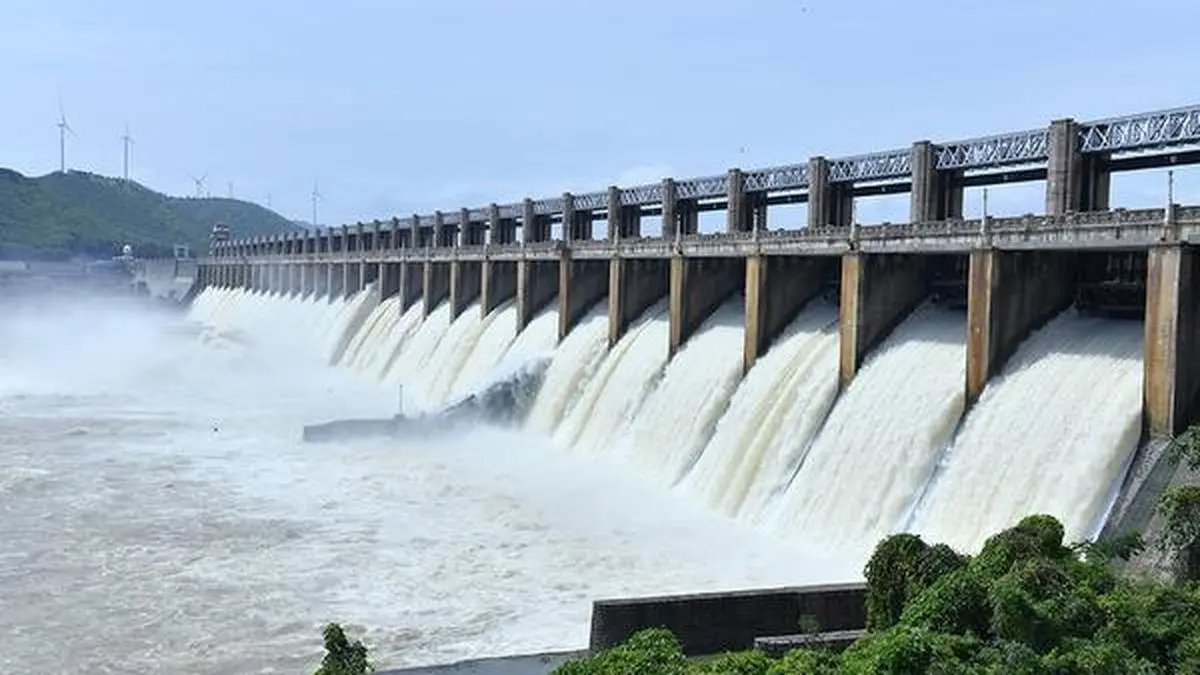
India's reservoir storage levels have dropped to a critical 30% of capacity, posing significant risks to supply chains dependent on these water resources. This situation demands immediate strategic responses from supply chain leaders to mitigate potential disruptions.

Current Situation and Causes

Recent data from the Central Water Commission (CWC) indicates that storage in India's 166 major reservoirs has decreased to 30.67% of their total capacity of 183.565 billion cubic meters (BCM), now holding only 56.3 BCM. This decline is attributed to deficient rainfall, with 29% of the 725 districts experiencing inadequate precipitation from March to May, as reported by the India Meteorological Department (IMD).

Quantified Impact

The southern region is the most affected, with storage levels in 47 reservoirs dropping to 22.5% of their 55.288 BCM capacity. Telangana and Karnataka are particularly vulnerable, with levels at 16% and 16.77%, respectively. This shortage could lead to increased lead times and higher costs for industries reliant on water-intensive processes.

Region Storage Level (%) Capacity (BCM) Current Storage (BCM)
Southern 22.5 55.288 12.459
Eastern 24 21.759 5.323
Northern 39 19.836 7.694
Western 36 38.094 13.625
Central 35 48.588 17.199

Industry Response and Best Practices

Supply chain leaders should consider diversifying their water sources and investing in water-efficient technologies. Implementing AI-driven water management systems can optimize usage and reduce dependency on single sources. Additionally, exploring alternative supply routes and increasing inventory buffers can mitigate risks.

"The current reservoir levels necessitate a reevaluation of our water management strategies to ensure supply chain resilience," said a senior executive from a leading manufacturing firm.

Forward Outlook and What to Watch

The anticipated arrival of the south-west monsoon could alleviate some pressure, but supply chain leaders must remain vigilant. Monitoring rainfall patterns and reservoir levels will be crucial in the coming months. Proactive measures, such as nearshoring to regions with better water availability, should be considered.

Keep Reading

Recommended Stories

India's Reservoir Levels Threaten Supply Chain Stability Supply Chain

India's Reservoir Levels Threaten Supply Chain Stability

India's reservoir levels have fallen below 30% capacity, posing significant risks to supply chains reliant on water resources. This situation demands strategic inventory management and supplier diversification to mitigate potential disruptions.

June 6, 2026
Storage in India’s 166 Major Reservoirs Drops to 27.5% of Capacity on Monsoon Deficit Commodities

Storage in India’s 166 Major Reservoirs Drops to 27.5% of Capacity on Monsoon Deficit

Storage in India's 166 major reservoirs dropped to 27.5% of total capacity this week, driven by a deficient South-West Monsoon due to El Niño. Rainfall since the monsoon began is 48.5 mm versus a normal of 80.6 mm, a 40% deficit as of June 18. Central India, key for kharif production, recorded a 62% deficit, raising concerns for crop sowing.

June 20, 2026
Big manufacturing push: How India is aiming to future proof its supply chains from global conflicts Supply Chain

Big manufacturing push: How India is aiming to future proof its supply chains from global conflicts

The Indian government is working on a broad manufacturing push to reduce import dependence and shield supply chains from geopolitical disruptions like the US-Iran conflict. Plans include identifying over 100 products for domestic production, cabinet-approved schemes for semiconductors and mobile phones worth Rs 1.9 lakh crore, and a taskforce led by Shaktikanta Das to map the import substitution roadmap. Consumer goods and electronics companies are also contingency planning ahead of the festive season.

July 28, 2026
Six-Year Tender Lead Time Climb Signals Structural Shift in Supply Chain Planning Supply Chain

Six-Year Tender Lead Time Climb Signals Structural Shift in Supply Chain Planning

The SONAR Tender Lead Time index has drifted higher for six straight years, reaching 3.74 days. The trend reflects improved planning, trade policy volatility, and increased inventory buffers, with implications for carrier operations and intermodal usage.

July 26, 2026