
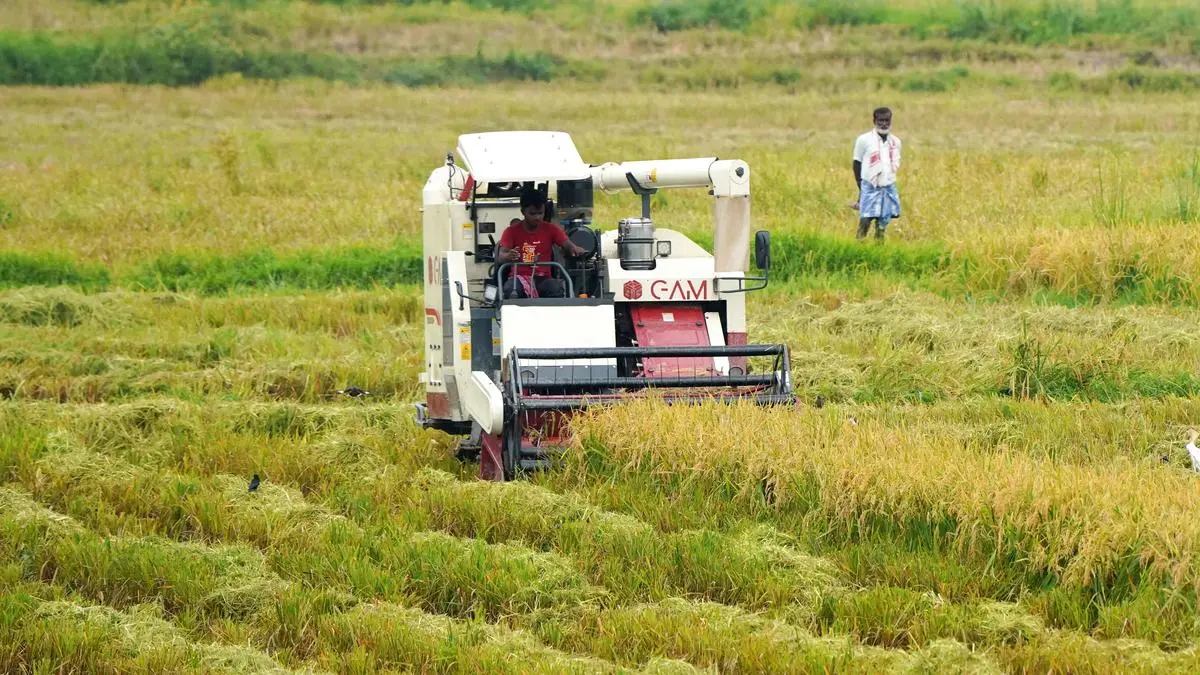
India's summer crop area has expanded by 3% to reach 86.02 lakh hectares as of May 22, compared to the previous year's 83.50 lakh hectares. This growth comes despite a notable decline in the acreage of paddy and moong.
Key Drivers
The increase in summer crop area is primarily driven by the Madhya Pradesh government's decision to offer a bonus of ₹600 per quintal over the MSP for urad, encouraging farmers to shift from moong to urad cultivation. This policy shift has led to a 29% increase in urad acreage, reaching 4.60 lakh hectares.
Supply Side Insights
- Paddy sowing has decreased by 4%, now at 31.05 lakh hectares.
- Nutri/coarse cereals have seen a 12% increase, with maize up by 18%.
- Oilseeds area has risen to 11.04 lakh hectares, driven by increases in groundnut and sesamum.
| Crop Type | 2025-26 Area (lh) | 2024-25 Area (lh) |
|---|---|---|
| Paddy | 31.05 | 32.42 |
| Nutri/Coarse Cereals | 16.01 | 14.25 |
| Maize | 10.00 | 8.50 |
| Bajra | 5.40 | 5.20 |
Demand Side Dynamics
The demand for summer pulses remains strong, with Madhya Pradesh, Bihar, Odisha, Tamil Nadu, Uttar Pradesh, and Gujarat being key producers. The USDA projects a slight decline in Kharif pulses production, emphasizing the importance of summer pulses to offset potential shortfalls.
"The strategic bonus on urad has effectively shifted farmer preferences, ensuring a robust supply of pulses," stated an official from the Agriculture Ministry.
Price Outlook
Looking ahead, the focus will be on the USDA's upcoming crop production report and the FAO's global agricultural outlook. These will provide further insights into potential price movements and supply chain adjustments.
The government's target for summer crop production stands at 19.67 million tonnes, with specific goals for rice, maize, and pulses. Monitoring these targets will be crucial for market participants.


