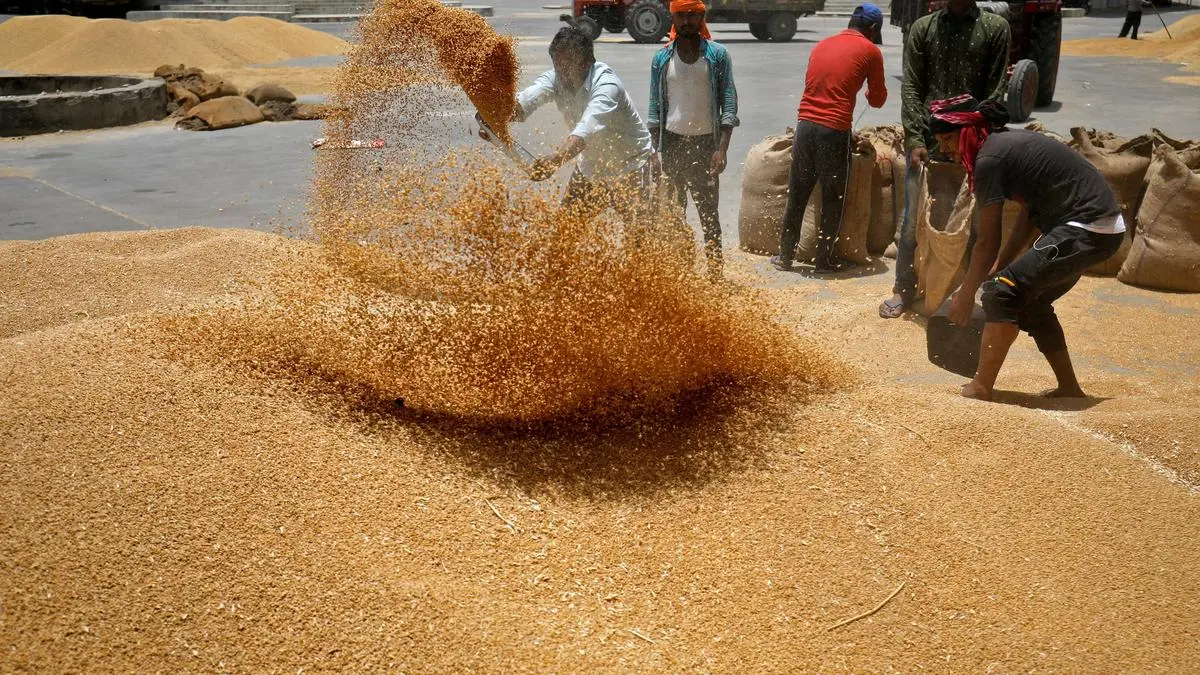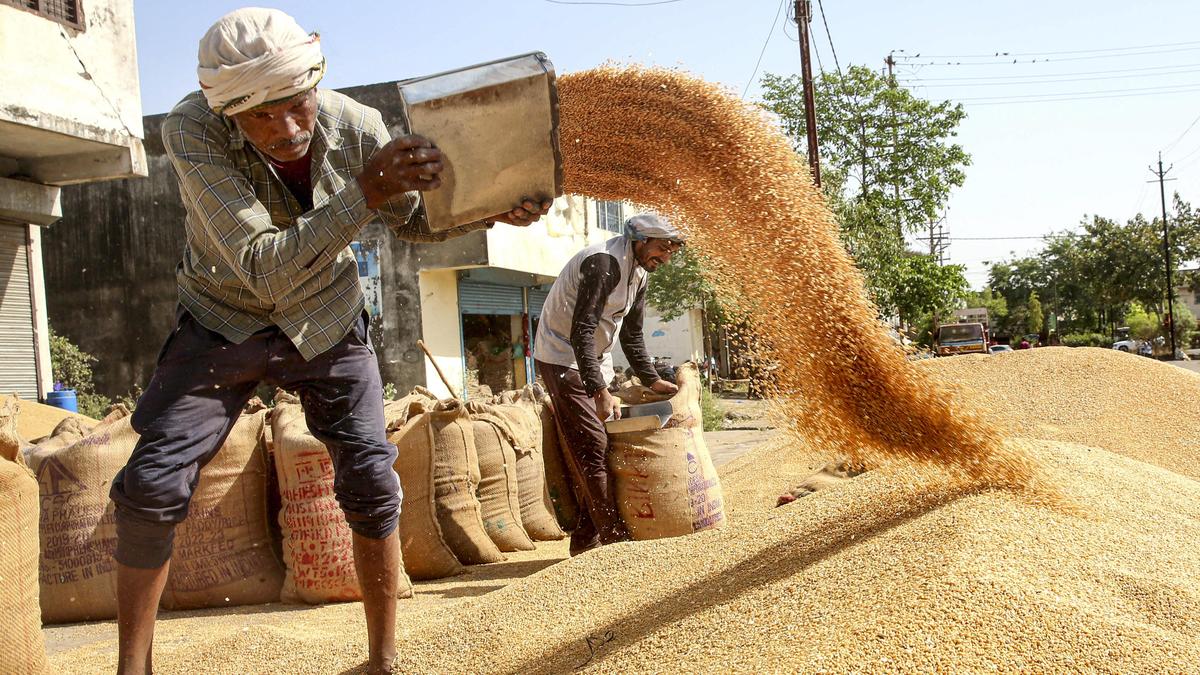
India's wheat procurement for buffer stocks has reached 34.99 million tonnes as of May 31, exceeding the revised target of 34.5 million tonnes. This marks a 17% increase from the 29.82 million tonnes procured in the same period last year. The procurement, managed by the Food Corporation of India (FCI), was initially set at 30.3 million tonnes but was revised upwards in response to state demands.
Record Production and Relaxed Quality Norms
The Agriculture Ministry has projected a record wheat production of 120.66 million tonnes, up from 117.94 million tonnes in the previous year. Despite unseasonal rains and hailstorms causing localized damage, the production estimate was increased. Over 67% of the wheat procured was under relaxed quality specifications due to these weather impacts.
Regional Procurement Insights
- Punjab: Procurement reached 12.16 million tonnes, a 2% increase from last year, with most purchases under relaxed quality norms.
- Haryana: Procurement totaled 8.12 million tonnes, surpassing the target of 7.2 million tonnes.
- Madhya Pradesh: Saw a significant 34% increase to 10.44 million tonnes, exceeding the revised target of 10 million tonnes.
"With 35 million tonnes of wheat procurement this year, the Central Pool stock now stands at 51.3 million tonnes against the buffer norm of 27.5 million tonnes," said C Shikha, joint secretary in the Department of Food and Public Distribution.
Demand and Market Outlook
The increased procurement aligns with higher production estimates and relaxed quality norms, ensuring sufficient buffer stocks. The USDA and FAO data will be crucial in assessing global wheat supply and demand dynamics. Upcoming reports from these organizations will provide further insights into the global wheat market.
| Region | 2025-26 Procurement (mt) | 2026-27 Procurement (mt) | % Change |
|---|---|---|---|
| Punjab | 11.92 | 12.16 | 2% |
| Haryana | 7.08 | 8.12 | 14.7% |
| Madhya Pradesh | 7.78 | 10.44 | 34% |
The outlook for wheat prices remains stable, with sufficient stocks and favorable production forecasts. However, weather conditions and policy changes will continue to influence market dynamics.