
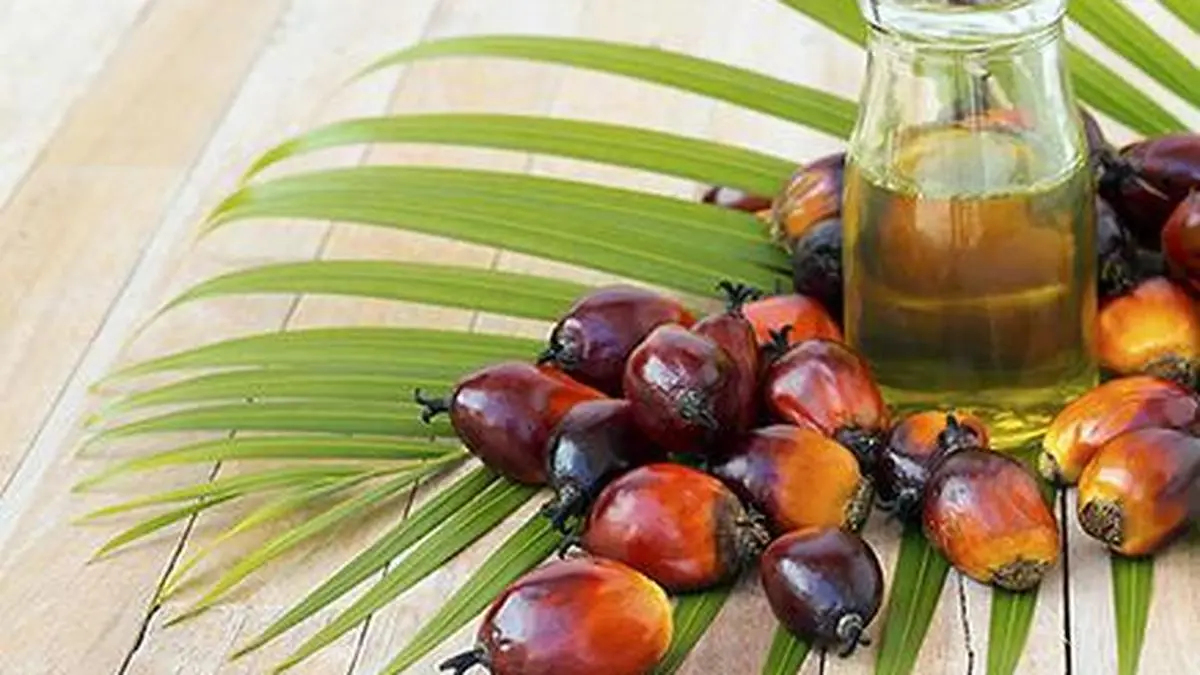
Oil palm cultivation in India is gaining momentum as a sustainable and profitable agricultural practice. By integrating intercropping, farmers are not only boosting their income but also contributing to ecological balance.
Intercropping Advantages
Intercropping with oil palm can significantly increase yields. Studies show that oil palm intercropped with cocoa yields up to 21.95 tonnes per hectare of fresh fruit bunches, compared to 16.22 tonnes under monocropping. Farmers in Andhra Pradesh report cocoa yields of nearly 1.5 kg of dry beans per tree, generating net returns of around ₹1.25 lakh per hectare.
"Intercropping is a vital source of early income, especially during the juvenile phase of oil palm," says a local farmer.
Government Support
The Department of Agriculture & Farmers Welfare (DA&FW) supports this model by providing financial assistance of ₹5,250 per hectare annually for intercrops during the four-year gestation period. This initiative encourages farmers to adopt intercropping, enhancing both productivity and sustainability.
Strategic Crop Selection
Choosing the right crops is crucial. During the first three years, oil palm occupies only 5–15% of the land, allowing space for intercrops like cereals, millets, and pulses. As the palms mature, shade-tolerant crops such as cocoa, coffee, and banana become more suitable.
| Crop Type | Suitable Phase | Yield Potential |
|---|---|---|
| Cocoa | Mature | 1.5 kg/tree |
| Cereals | Juvenile | High |
| Banana | Mature | Moderate |
Future Outlook
The success of oil palm intercropping in India could serve as a model for other regions facing similar agricultural challenges. With continued support and strategic crop management, farmers can achieve higher returns while maintaining ecological balance.


