US supermarket beef prices are now 12% higher than a year ago — a rise more than three times the rate of general inflation — as the country's cattle herd shrinks to its smallest size since 1951, according to BBC Business. Yet those record prices are not translating into windfall profits for ranchers, because their input costs have climbed just as sharply since the Covid pandemic.
Shrinking cattle herd drives record prices
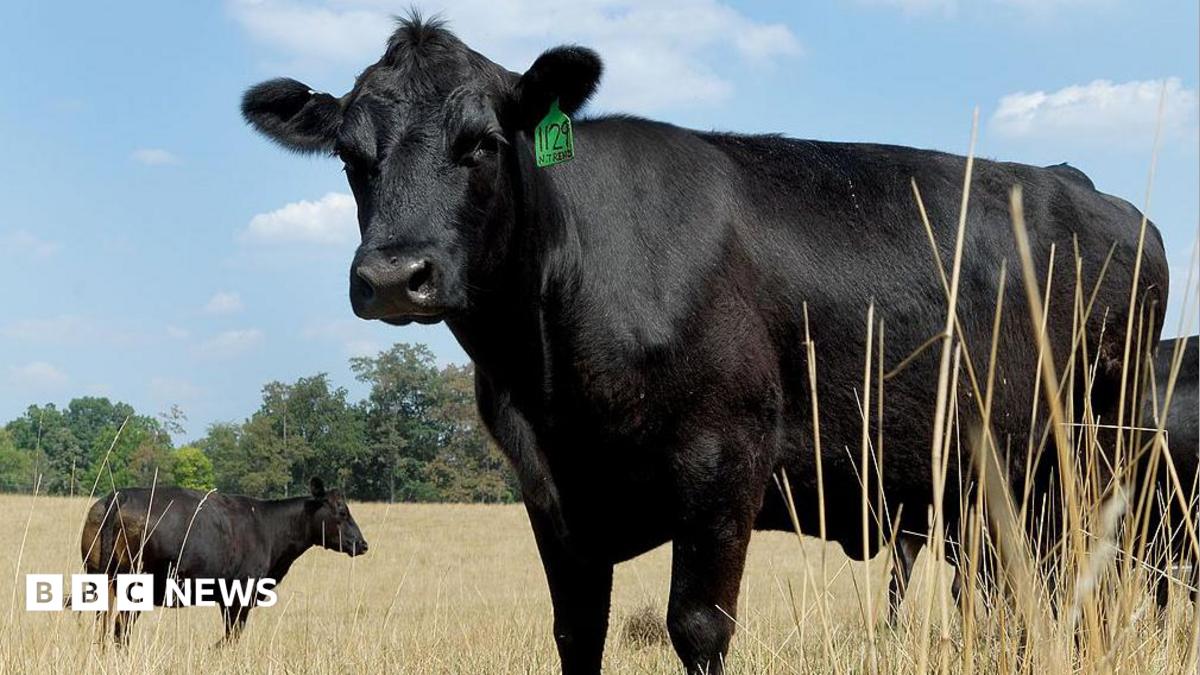
The root cause of the record price levels is a simple fact: there are not enough cattle. A combination of drought in many states and disease pressure left the US with fewer cattle at the start of this year than at any point since 1951, BBC Business reported. More than 60% of US cattle are now grazing on drought-hit land, forcing many farms to buy in hay, silage and other fodder.
Ranchers feel the cost squeeze
Eric Gropper, who runs about 350 breeding cows on around 8,000 acres of grassland in south-west South Dakota, is selling his calves at the highest bids he has ever seen — around $2,500 (£1,883) for a 600lb (272kg) calf, up from $2,000 two years ago. Most of that land he leases from the Pine Ridge Indian Reservation; he lives seven miles from the nearest paved road, two and a half hours' drive from the closest town of any size. Gropper does not set calf prices himself: once a year he takes the animals to a livestock auction, where buyers place bids and the hammer decides.
But while revenue is up, Gropper's costs have climbed to new highs. A new pick-up truck that once cost $40,000 now runs to $100,000; a wooden fence post has gone from about $6 to as much as $19; and a quarter-mile roll of barbed wire has doubled, from $60 to $130. The 13 natural wells across his land that provide ground water for his cattle have run dry, forcing him to rely on a water tanker.
| Input | Price two years ago | Current price |
|---|---|---|
| Calf at auction (600lb) | $2,000 | $2,500 |
| New pick-up truck | $40,000 | $100,000 |
| Wooden fence post | $6 | $19 |
| Quarter-mile roll of barbed wire | $60 | $130 |
"I'm able to pay my bills, but my input costs are so drastically high that if we didn't have these record prices we'd all be broke. I sit down to do my taxes, and it feels like I made a lot of money. But in the end I really didn't make any more." — Eric Gropper, as told to BBC Business
Feedlots face the same squeeze
Gropper's calves do not go straight to slaughter. At around six months old they are bought by companies that run feedlots — large yards where animals are fattened on corn and other grains for the final three to six months of their lives. The biggest yards hold well over 100,000 cattle at a time, and around 95% of US cattle are finished this way, according to BBC Business.
Brenda Boetel, professor of agricultural economics at the University of Wisconsin–River Falls, told BBC Business that while feedlot companies are currently selling cattle at record prices, they are having to buy them at all-time highs in the first place. The feedlot link of the chain is therefore buying at the peak of the market as well as selling at the peak, leaving margins under the same pressure that ranchers describe.
The BBC Business report, part of the BBC World Service's Follow the Money series, traces these dynamics across a week spent inside the American beef supply chain. For commodity analysts and procurement teams, the combination of the smallest cattle herd since 1951, record calf prices and broadly rising input costs indicates that the supply-side pressure driving US beef prices higher is embedded at every stage of production — from the dried-out pastures of South Dakota to the large feedlots that finish the majority of the nation's cattle.
Sources: