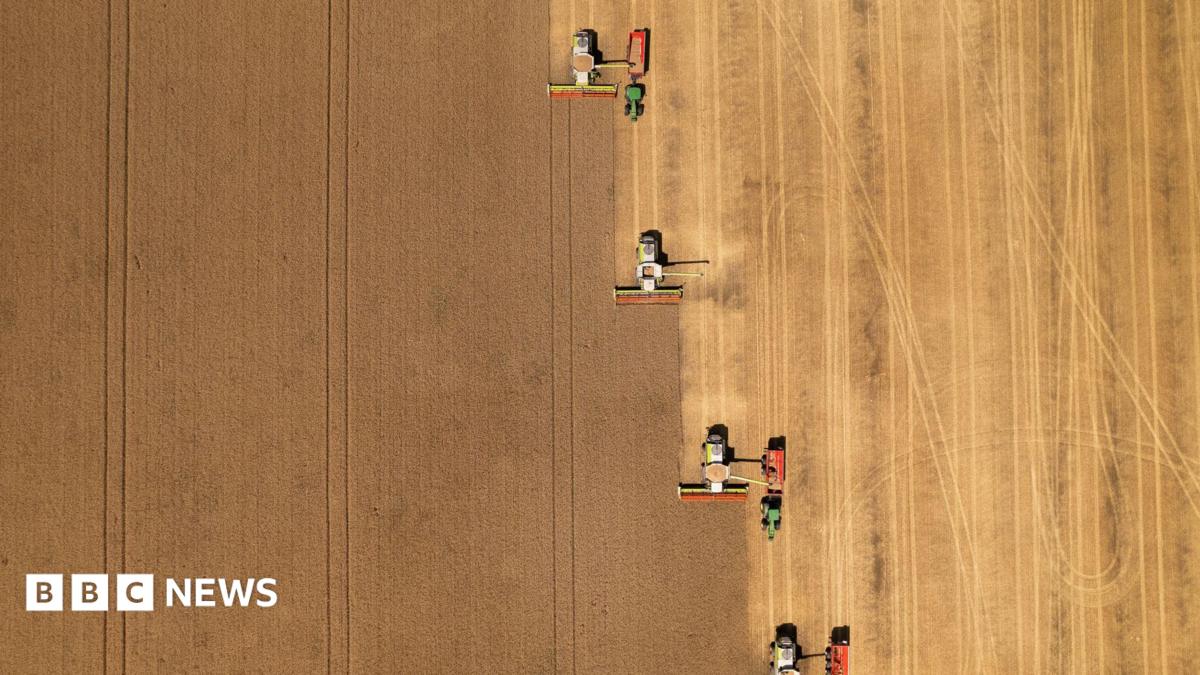
Britain's cereal and oilseed harvest is on course to be the worst since records began in 1984, according to BBC News, as an exceptionally dry spring and summer force farmers to warn that shoppers will face smaller and more expensive vegetables. The Energy and Climate Intelligence Unit (ECIU) think tank estimated the UK's cereals and oilseed harvest could come in 2.5 million tonnes below earlier forecasts, and Tim O'Malley, chairman of produce supplier Nationwide Produce, said conditions are "as bad as it's ever been."
Harvest forecast: worst since 1984
The ECIU projected that the combined harvest of barley, oats and rapeseed — crops used in beer, breakfast cereals, vegetable oil and livestock feed — will drop to just 19.5 million tonnes, the worst since records began in 1984. That compares with a previous low of 19.8 million tonnes in 2020, according to the ECIU. The shortfall would cost farmers £390 million in lost revenue, the think tank estimated. The crops are also used for feeding livestock, making them crucial across most of the food chain, BBC News reported.
| Metric | 2026 forecast | Previous record low (2020) |
|---|---|---|
| Barley, oats & rapeseed harvest | 19.5 million tonnes | 19.8 million tonnes |
| Lost farmer revenue (ECIU estimate) | £390 million | — |
| Drop from earlier forecast | 2.5 million tonnes | — |
Drought and record-dry July
The weather driver behind the harvest collapse is a severe lack of rain. England and Wales saw their driest July since records began 190 years ago, according to the Met Office, and a drought has been declared across large parts of the country. The Environment Agency has declared drought conditions across half of England and all of Wales, BBC News reported. Rainfall this month has reached just 8% of average in Wales, 7% of average in England, and as low as 1% of average across southern England. High temperatures and repeated heatwaves have also increased evaporation rates, which has particularly hit rivers.
Vegetable shrinkflation and imports
Tim O'Malley told BBC Radio 5 Live's Wake Up to Money that consumers could feel the impact in the vegetable aisle, where grocers are likely to swap in smaller produce at the same price — a practice known as shrinkflation. "I think we're going to see shrinkflation," he said. "The problem we're going to have this year is a massive reduction in yield and major quality issues." He said that will mean smaller sizes for fresh produce: "We've got crop with stress or we've got quality issues. So you will see a smaller crop."
"Loud and clear, it's grim out there. I think it's as bad as it's ever been … Every record is being broken." — Tim O'Malley, Nationwide Produce
O'Malley said supermarkets will "do everything" to keep prices where they are, but added: "eventually they will probably have to come to the party and increase the price, particularly if they start importing." Grocers are already bringing in more products from abroad because of the poor conditions at home. "We're importing broccoli and iceberg from Spain at this time of year, which in August [is] unheard of. I think we're going to see more of that, unfortunately," O'Malley said. The difference from last year, he explained, was that 2025 had four heatwaves but with rain in between.
Water supplies and climate risk
Farmers source additional water for their crops and livestock over summer from a combination of stored winter rainfall on site and by extracting it from natural sources — a process called abstraction, which can draw on groundwater or surface water such as rivers and streams. This summer's significant low rainfall has reduced the amount of water available to draw from, BBC News reported. The high temperatures and repeated heatwaves have increased evaporation rates, particularly hitting rivers.
Tom Lancaster, land, food and farming analyst at the ECIU, said: "At the start of spring farmers were hopeful of a better year, but the dry April and July and record-breaking heat have left farmers facing down the barrel of a third awful harvest in a row. Farming is now the sector most exposed to climate change and the risks and damage that it brings." For commodity traders and agribusiness buyers, the UK supply shortfall points to more reliance on imports — particularly Spanish broccoli and iceberg lettuce in August — and to upward pressure on produce prices as UK yields and quality decline.
Sources: