Asian refiners moved to lock in US crude cargoes this week as the Strait of Hormuz remained effectively closed, with at least four buyers securing Mars and West Texas Intermediate (WTI) barrels for delivery later this year, traders said in a report by The Hindu BusinessLine. The purchases illustrate how the blockage of the key Gulf waterway is shifting crude sourcing toward the US, with buyers paying steep premiums over regional benchmarks to secure supply.
Hormuz closure reshapes crude sourcing
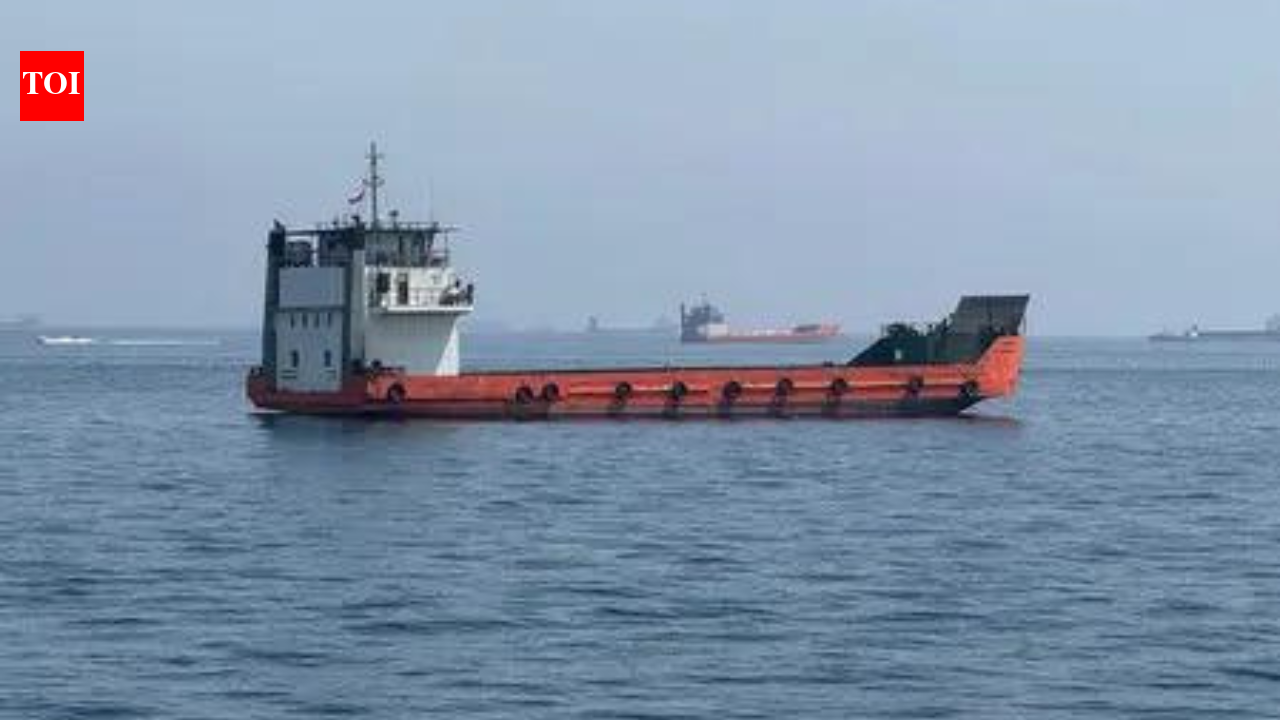
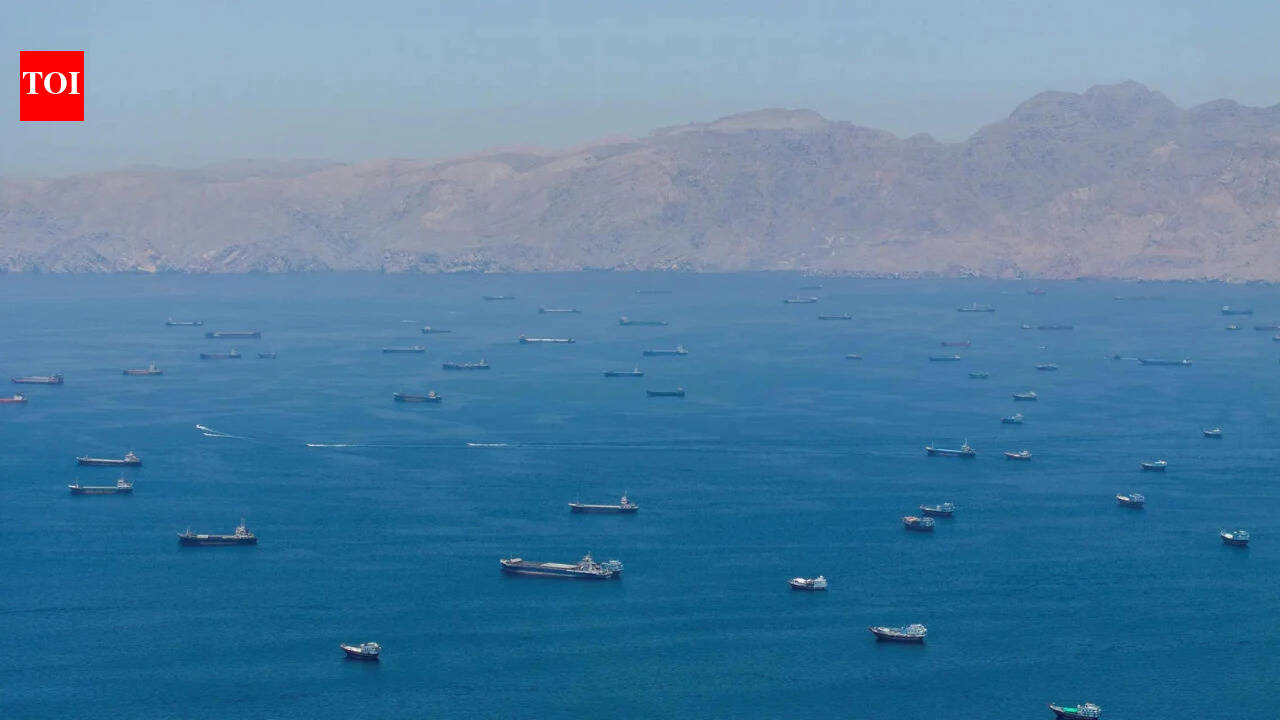
Shipping traffic at the Strait of Hormuz fell below the average for this month towards the end of the week, according to the report, due to competing US and Iran claims over control of the waterway. With no immediate prospect of a free flow of shipping through the strait, strong refining margins amid tight fuel supplies have encouraged refiners to secure crude inventories for the coming months from outside the Gulf, traders added.
Shipping traffic at the Strait of Hormuz fell below the average for this month towards the end of the week due to competing US and Iran claims over control of the waterway.
Refiners lock in US cargoes
Among the buyers, South Korea's GS Caltex purchased two million barrels of Mars crude from Shell for November arrival, priced at a premium of around $13–14 per barrel above the October Dubai benchmark, according to the report. Japan's third-largest oil refiner, Cosmo Energy Holdings, bought Mars crude from Trafigura, while Eneos Corp — Japan's biggest refiner — purchased two million barrels of WTI from Trafigura for November delivery at a premium of more than $10 per barrel above the October WTI price. Taiwan's state-owned CPC Corp bought two million barrels of WTI via a tender at a premium of around $8–9 per barrel to Dated Brent, and also purchased crude from West Africa through the same tender. The companies do not typically comment on commercial deals, the report noted.
| Refiner | Country | Volume | Grade | Seller | Pricing |
|---|---|---|---|---|---|
| GS Caltex | South Korea | 2 million barrels | Mars | Shell | ~$13–14/bbl premium to October Dubai |
| Cosmo Energy Holdings | Japan | Not disclosed | Mars | Trafigura | Not disclosed |
| Eneos Corp | Japan | 2 million barrels | WTI | Trafigura | >$10/bbl premium to October WTI |
| CPC Corp | Taiwan | 2 million barrels | WTI (via tender) | Tender | ~$8–9/bbl premium to Dated Brent |
Trade flows and demand signals
Before the Iran war, Asia sourced more than half of its crude supply from the Middle East, according to the report. That dependence is now being tested, with the region importing 2.35 million barrels per day of crude from the US in July — a record high, according to data from ship tracking firm Kpler cited by The Hindu BusinessLine. This week, India's state-run refiners Hindustan Petroleum Corp and Mangalore Refinery and Petrochemicals Ltd also issued tenders seeking crude, according to the report.
Implications for traders and procurement
The premiums paid over Dubai, WTI and Dated Brent benchmarks measure the cost of securing non-Gulf barrels while Hormuz remains blocked. Strong refining margins and tight fuel supplies have made buyers willing to pay up to $14 a barrel above the October Dubai benchmark to lock in November arrivals, the report showed. The record July US import volume of 2.35 million barrels per day and the fresh Indian tenders highlight the scale of Asian demand for US crude while the strait remains closed, traders said.
Sources: