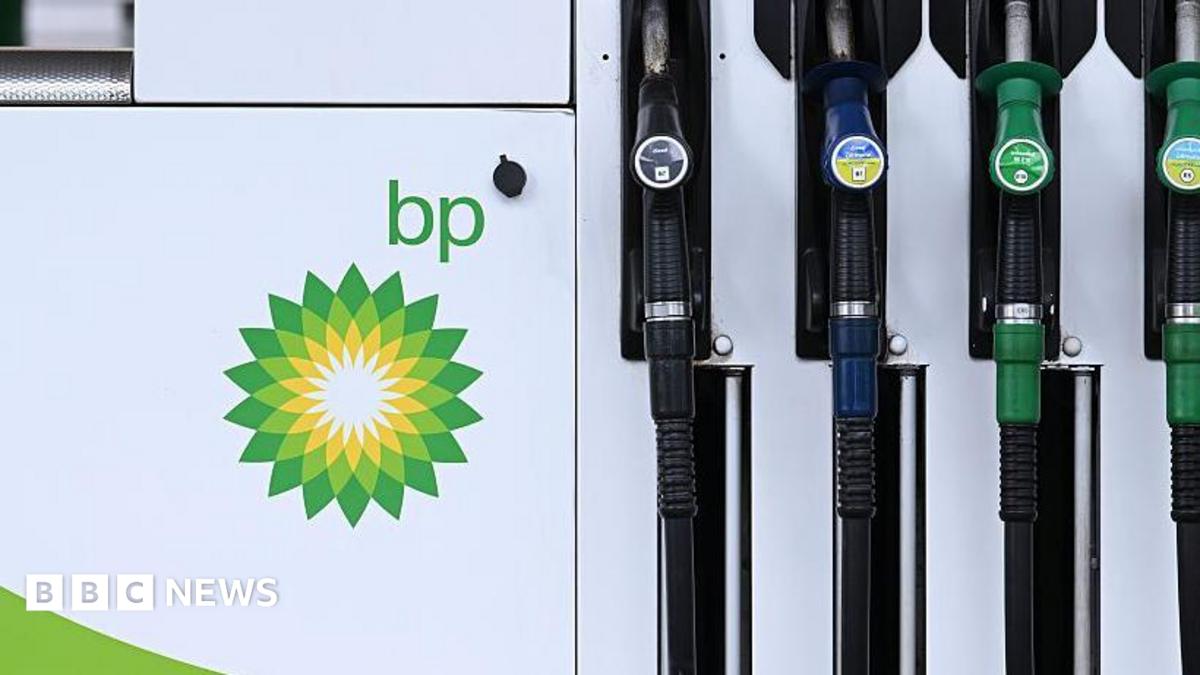
BP reported its highest quarterly profit in four years after the Iran war disrupted oil and gas shipments through the Strait of Hormuz, according to BBC Business. The oil major posted a profit of $5.73bn (£4.26bn) for April to June, more than double the $2.35bn it earned in the same period a year earlier and the strongest quarter since the Russia-Ukraine war began in 2022.
Iran war and Strait of Hormuz disruption
The price of crude has jumped since the outbreak of the Iran war earlier this year, according to BBC Business, because of major disruption to global supplies of oil and gas through the Strait of Hormuz. The higher crude price in turn pushed up petrol and diesel prices and domestic energy costs around the world.
BP said Brent crude, the global benchmark for oil prices, averaged $103.85 a barrel in the April-to-June quarter, up from $67.88 in the same period last year — an increase of roughly 53% based on those figures.
| Metric | April–June 2026 | April–June 2025 | Change |
|---|---|---|---|
| BP quarterly profit | $5.73bn (£4.26bn) | $2.35bn | more than double |
| Brent crude quarterly average | $103.85 per barrel | $67.88 per barrel | +~53% |
BP turns away from clean energy
Despite the jump in profits, BP chief executive Meg O'Neill said the company was not reaching its full potential, BBC Business reported. BP, which employs nearly 14,000 people in the UK, confirmed plans to move further away from clean energy and to sell off its US renewable natural gas business Archaea.
O'Neill said the divestment was part of her plan to prioritise "value, not sentiment or history".
We have to focus on the assets with the strongest potential to deliver competitive returns and long-term value.
Last week, BP announced it was putting its North Sea business up for sale, a move that would end 60 years of production in the region by the company, according to BBC Business.
Campaigners accuse BP of profiteering
Environmental and poverty campaigners criticised BP for "profiteering" off skyrocketing oil prices, BBC Business reported. Angharad Hopkinson, from environmental campaign group Greenpeace, said the results showed that "corporate gains have become entirely divorced from the public good".
Prolonging this parasitic relationship by trying to squeeze the last few drops of expensive oil out of the North Sea is sheer folly.
Hopkinson added that "the one point on which we agree with BP" is its decision to sell off its North Sea operations.
What the numbers mean for oil buyers
For commodity traders and procurement teams, the earnings release quantifies the crude-price response to the Middle East conflict: a roughly 53% year-on-year jump in BP's Brent quarterly average and a profit figure more than double the prior-year quarter. The disruption to oil and gas flows through the Strait of Hormuz remains the central supply variable behind those numbers, according to BBC Business. BP's move to sell the Archaea renewable natural gas business and its North Sea assets also signals where the company sees the strongest potential for competitive returns — in value-driven, rather than sentiment-driven, asset choices, in O'Neill's words.
Sources: