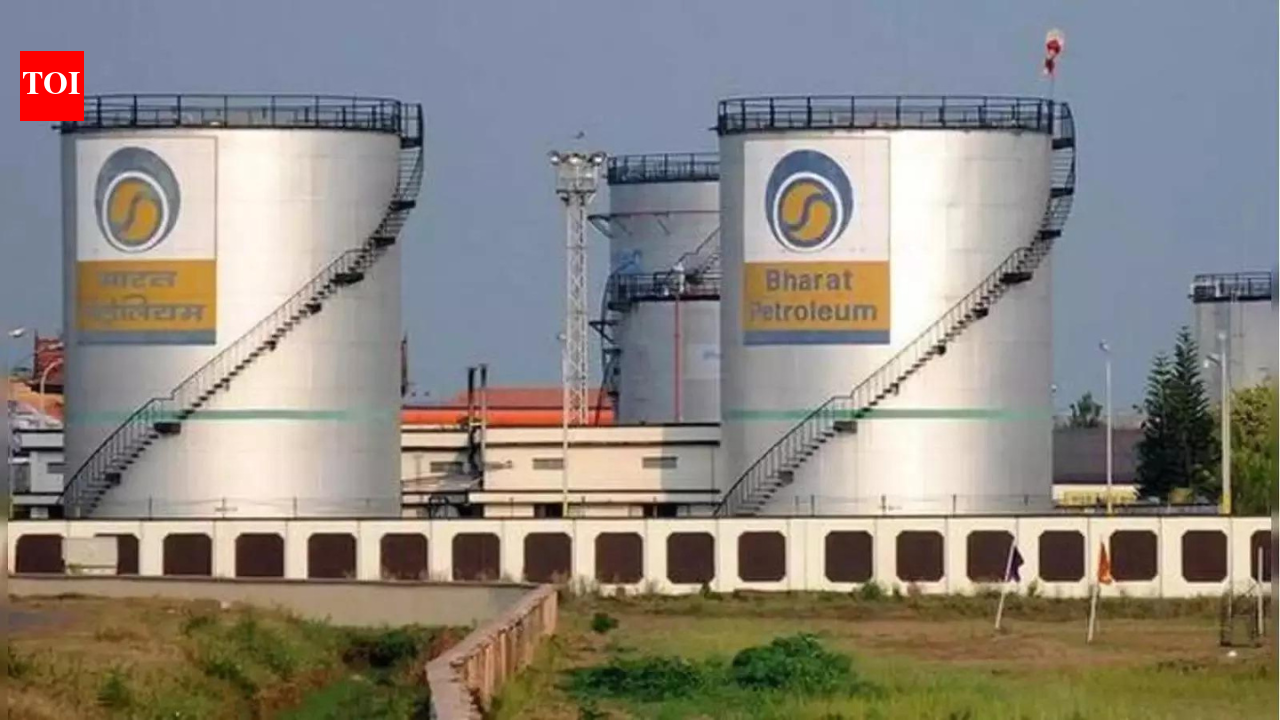
Bharat Petroleum Corporation (BPCL) plans to shut a crude unit that produces 120,000 barrels per day (bpd), along with some secondary units, at its 200,000 bpd Mumbai refinery in western India for three to four weeks in September and October for routine maintenance, according to an industry source cited by Reuters in a report published by The Hindu Business Line.
Supply Disruption at Mumbai Refinery
The planned shutdown will reduce the refinery's crude processing capacity by 60% during the maintenance window, as the 120,000 bpd unit represents a major portion of the total 200,000 bpd throughput. The secondary units also being shut will further limit output of refined products such as gasoline, diesel, and other petrochemicals. The state-run refiner had earlier planned to conduct the maintenance in June, the source said, but the schedule was pushed back.
| Unit | Capacity (bpd) | Duration | Timing |
|---|---|---|---|
| Crude unit (main) | 120,000 | 3-4 weeks | September-October |
| Secondary units | Not specified | 3-4 weeks | September-October |
| Total refinery | 200,000 | — | — |
Maintenance Schedule Shift
Indian refiners have delayed their refinery maintenance plans to meet local fuel demand, a government official said previously, as reported by Reuters. The shift from June to September-October for BPCL's Mumbai refinery aligns with this trend, likely to ensure sufficient supply during the peak summer driving season in India. The Mumbai refinery is one of BPCL's key assets, supplying products to the domestic market and occasionally for export.
Implications for Indian Fuel Market
With the shutdown occurring in September-October, a period when monsoon rains typically moderate demand in some regions but post-harvest agricultural activity and festival season pick up, the reduced output could tighten local supplies. Traders and procurement teams will need to monitor BPCL's crude import schedules and product offtake during this period. The company did not immediately respond to Reuters' request for comment, adding uncertainty to the exact scope and product mix impact.
For commodity traders and analysts, the key takeaway is the temporary removal of 120,000 bpd of crude processing capacity from the market. This may support regional refining margins if other refineries in India or Asia do not compensate. However, as the maintenance is routine and planned, the impact on global crude oil prices is likely muted. The delay of maintenance from June to meet local demand highlights the tightness of India's fuel supply balance and the priority on domestic consumption.
Moving forward, market participants will watch for any further updates from BPCL on the exact start date and potential downstream effects. The next set of Indian fuel demand data and refinery runs from the Ministry of Petroleum and Natural Gas will provide context on how the shutdown fits into the broader supply picture.
Sources: