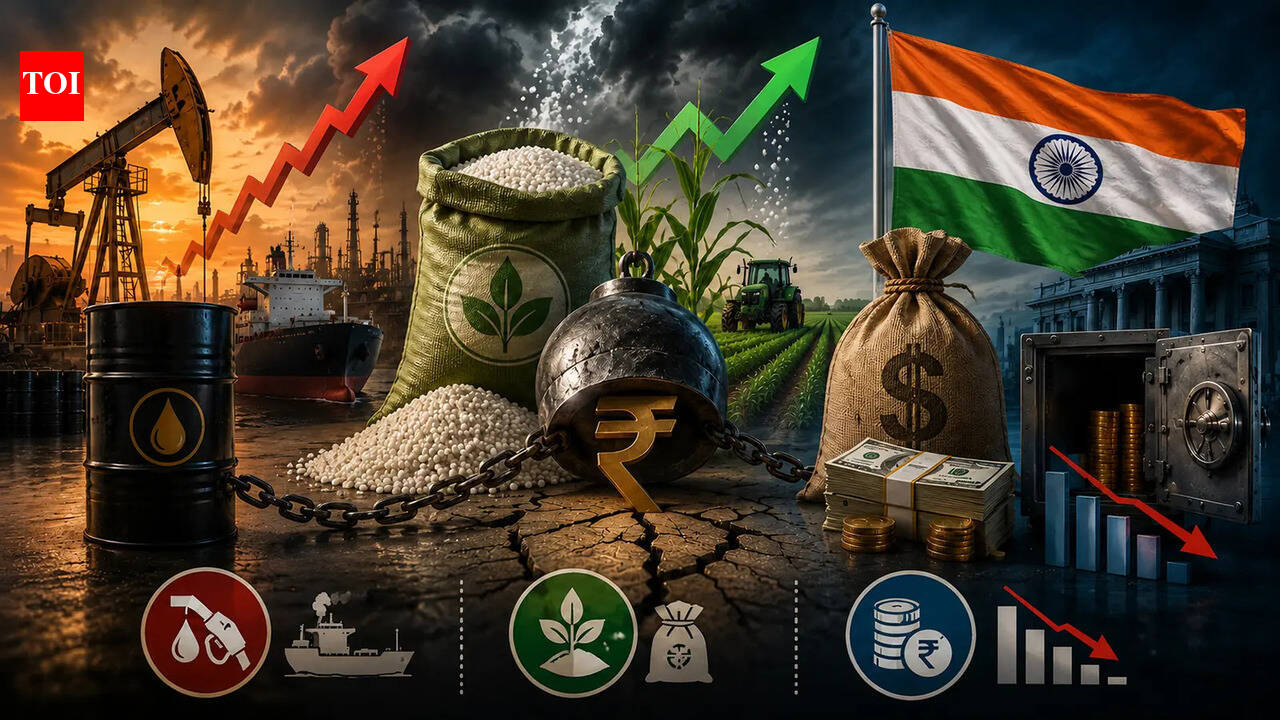
India's coal gasification initiative has achieved significant foreign exchange savings, amounting to Rs 28,000 crore by reducing the country's reliance on imported oil, methanol, and ammonia. This development comes as the government prepares to launch the second phase of the program, which aims to further enhance the utilization of domestic coal resources.
Government's Strategic Initiative
The first phase of the coal gasification scheme, launched in 2023-24, mobilized Rs 85,000 crore in investments and enabled the utilization of 23 million tonnes of coal annually. The Union Cabinet has approved the second phase, which targets the gasification of 75 million tonnes of coal and lignite with a financial outlay of Rs 37,500 crore. This phase is expected to attract investments of Rs 2.5-3 lakh crore across 25 projects in coal-rich regions over the next five years, creating 50,000 direct and indirect jobs.
Supply Side Dynamics
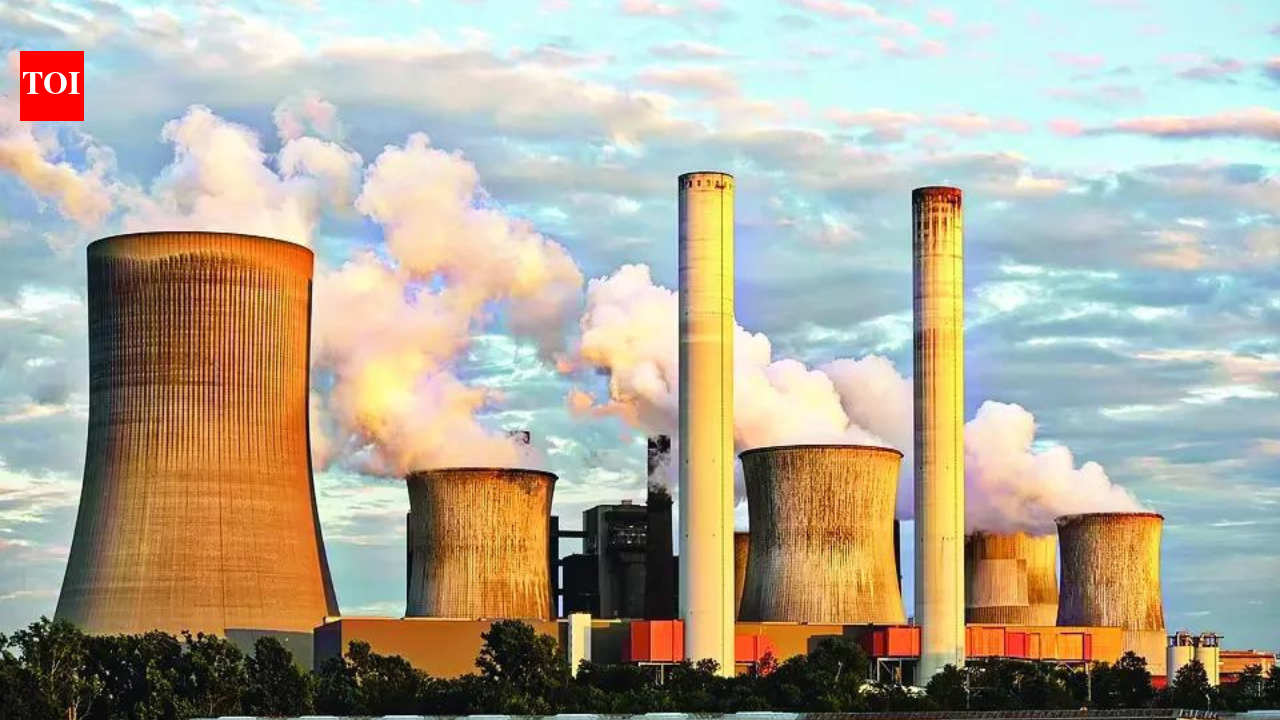
India holds one of the world's largest coal reserves, with 401 billion tonnes of coal and 47 billion tonnes of lignite. The National Coal Gasification Mission, launched in 2021, aims to convert these reserves into synthesis gas (syngas), which can substitute high-value imports and shield the economy from global supply disruptions and price volatility. The government has also introduced an Rs 8,500 crore incentive framework to support public and private sector projects.
Demand Side Considerations
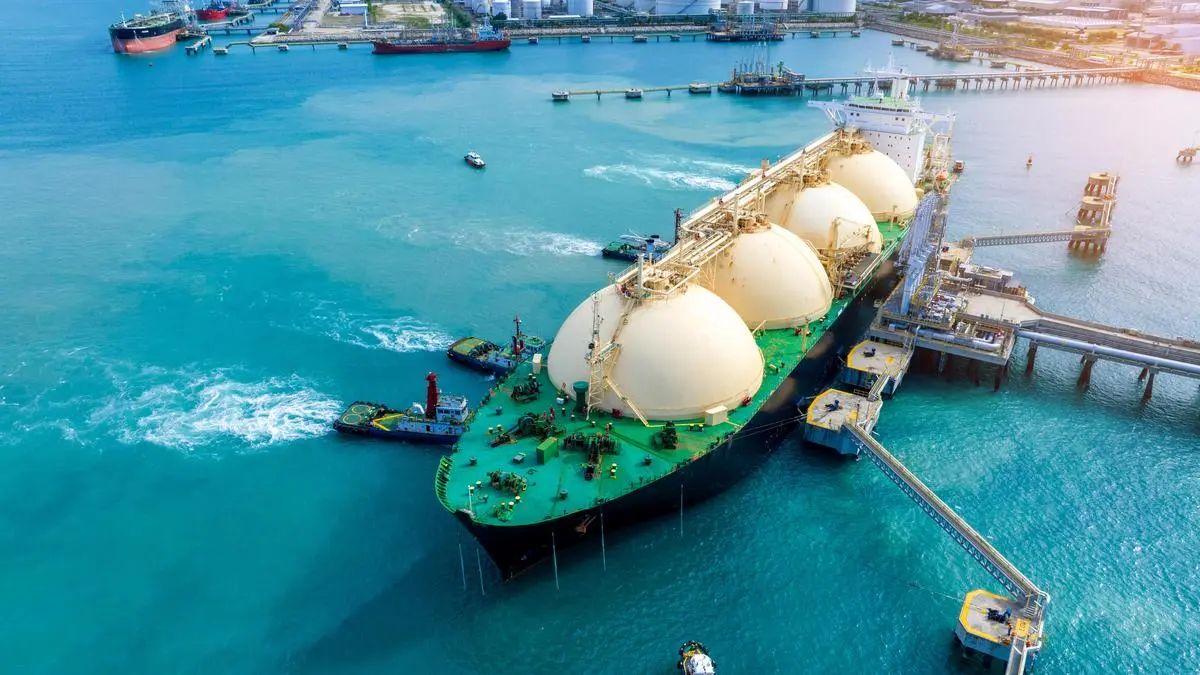
Coal gasification will help produce methanol, fertilizers, hydrogen, and chemicals, strengthening India's energy security and reducing dependence on imports of key products such as LNG, urea, ammonia, and methanol. India's import bill for these substitutable products stood at nearly Rs 2.8 lakh crore in FY25.
"Gasification will help produce methanol, fertilizers, hydrogen, and chemicals, strengthening energy security and reducing dependence on imports," said a coal ministry official.
Outlook and Future Developments
The government expects the coal gasification program to accelerate and help achieve the national target of converting 100 million tonnes of coal into syngas by 2030. The draft request for proposal for the second phase is likely to be released soon, with the final bidding document expected in July. States like Odisha and Maharashtra have already announced separate incentive schemes to promote coal gasification projects.
| Metric | Value |
|---|---|
| Forex Savings | Rs 28,000 crore |
| Investment Mobilized | Rs 85,000 crore |
| Coal Utilized | 23 million tonnes |
| Financial Outlay for Phase 2 | Rs 37,500 crore |
| Target Coal Gasification | 100 million tonnes by 2030 |
The coal gasification initiative is poised to play a crucial role in India's energy strategy, reducing import dependency and fostering economic growth.