Escalating military tensions between the United States and Iran continued to lift oil prices on Friday, pushing crude benchmarks toward their biggest weekly gains in three months as markets assessed the risk of further supply disruptions in the Middle East. Around 7 am IST, Brent crude was trading at $85.34 a barrel, up $1.11 (+1.32%), while WTI crude rose $1.13 (+1.43%) to $80.08 a barrel, according to Business-Today.
Price Movement and Weekly Performance
The latest rally followed a fresh wave of US strikes on Iran. Business-Today reported that Brent and US crude are on course to end the week more than 11% higher, marking their strongest weekly performance since April, citing Reuters. The table below summarises the price data:
| Benchmark | Price (per barrel) | Daily Change | Weekly Change (approx.) |
|---|---|---|---|
| Brent crude | $85.34 | +$1.11 (+1.32%) | >11% |
| WTI crude | $80.08 | +$1.13 (+1.43%) | >11% |
Supply Disruption Fears and Geopolitical Drivers
The attacks marked another escalation in a conflict that has intensified over recent days. US Central Command on Thursday said that the attacks were launched to "further degrade Iranian military capabilities", Business-Today reported. US forces struck targets further north in Iran and also fired at a ship that Washington alleged was attempting to breach its naval blockade. Iran responded before dawn with missile and drone attacks aimed at US allies in the region, warning that its military response could widen.
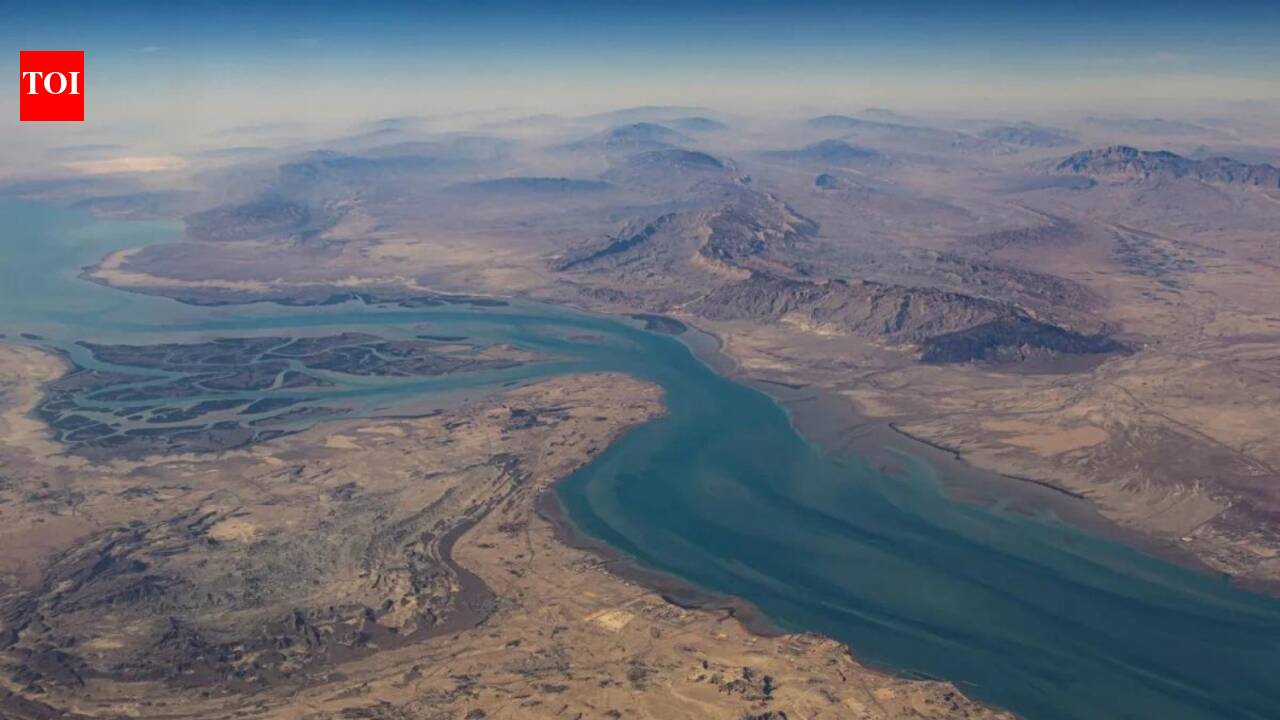
The fighting resumed less than a month after a June 17 US-Iran agreement intended to halt military operations, reopen the Strait of Hormuz, and launch peace and nuclear negotiations. The renewed exchanges have raised fears that the region could slide back into a broader conflict, keeping investors on edge. The latest hostilities have also revived concerns over the Strait of Hormuz, a key shipping route that has again come into focus after renewed threats linked to the waterway.
The strikes expanded to areas around Tehran for the first time in the latest fighting. Iranian state media reported US attacks around the capital as well as Semnan province, home to the country's ballistic missile production and space programme. Iranian media also reported strikes in Hamedan, Hormozgan, Khuzestan, Lorestan, Markazi, and Sistan and Baluchestan provinces. Iranian officials said the latest US strikes have already killed more than 35 people and wounded over 300.
Strait of Hormuz and Regional Infrastructure Threats
The latest flare-up comes after Tehran effectively shut the Strait of Hormuz to shipping traffic when the US and Israel launched the war on Iran on February 28. That move drove up the prices of oil, fertiliser, and several other goods while increasing Iran's leverage in negotiations. Iran also warned that it could target infrastructure across the region if the United States carried out President Donald Trump's repeated threats to strike Iranian bridges and power plants.
“All the infrastructure in the region will be crushed under the steel blows of the powerful armed forces of the Islamic Republic of Iran” should Trump’s threat be carried out, said Col. Ebrahim Zolfaghari, spokesperson for Iran's Khatam al-Anbiya Central Headquarters, as quoted by Business-Today.
“Under no circumstances and in no way will we allow America, as a foreign and extraregional country, to interfere in the Strait of Hormuz. This is Iran’s invincible red line,” he added.
Historical Context and Price Outlook
The US-Israel strikes on Iran had previously driven crude prices from about $70 a barrel to above $126 during the peak of the conflict, Business-Today noted. With the current weekly gain of over 11%, traders are closely watching for further developments. Any additional disruption to Strait of Hormuz traffic could push prices higher, though the situation remains highly fluid.
Sources: