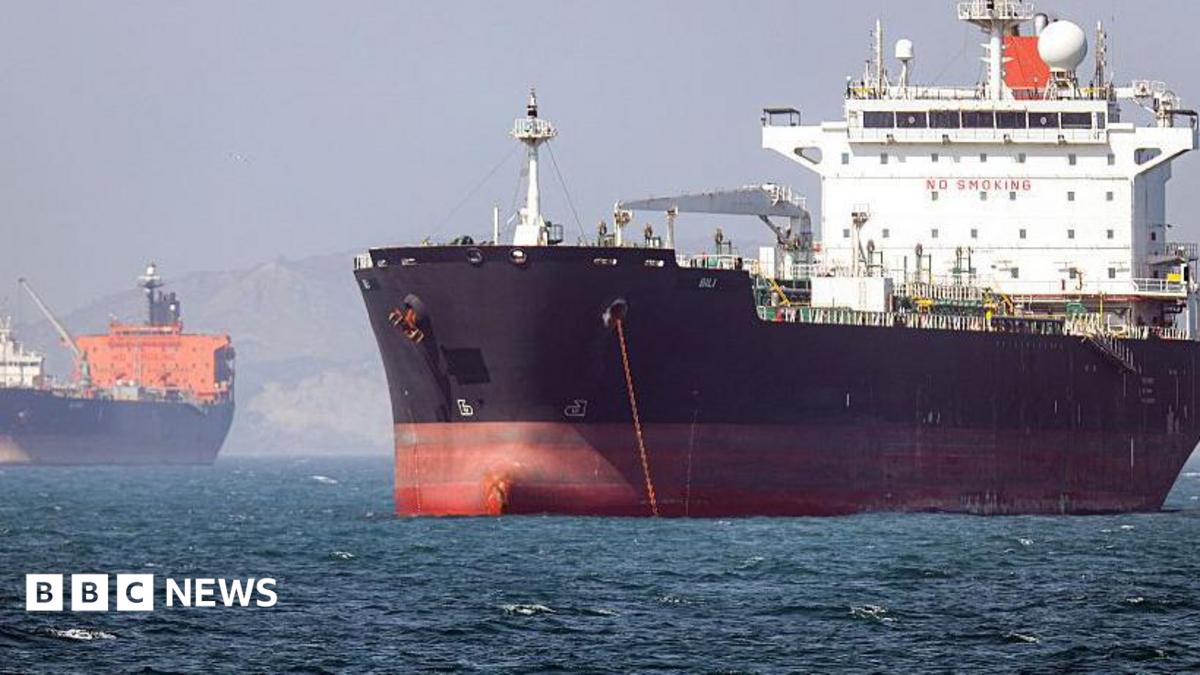
Crude oil prices extended their decline on Wednesday, falling to fresh four-month lows as signs of improving tanker movement through the Strait of Hormuz and expectations of increased Iranian exports eased concerns over supply disruptions, according to Reuters.
Price Action and Key Levels
Brent crude futures dropped $1.37, or 1.8%, to $75.71 per barrel, while US West Texas Intermediate (WTI) crude fell $1.08, or 1.5%, to $72.13 a barrel. Brent touched its lowest level since February 27, while WTI hit its weakest level since early March, according to Reuters.
In India, crude oil futures on the Multi Commodity Exchange (MCX) for July delivery declined by Rs 63, or 0.9%, to Rs 6,901 per barrel in a turnover of 5,109 lots, according to news agency PTI. Analysts attributed the decline to weak global cues and profit-booking.
| Contract | Last Price | Change | % Change |
|---|---|---|---|
| Brent crude (ICE) | $75.71/bbl | -$1.37 | -1.8% |
| WTI crude (NYMEX) | $72.13/bbl | -$1.08 | -1.5% |
| MCX crude (July) | Rs 6,901/bbl | -Rs 63 | -0.9% |
Supply Drivers: Iran and Strait of Hormuz
The decline comes after a sharp rally earlier this year triggered by the Iran conflict and concerns over disruptions to shipping through the strategically important Strait of Hormuz. Markets are increasingly factoring in the possibility of Iranian oil returning to global markets following recent diplomatic progress between Washington and Tehran, according to Reuters.
"While there are early encouraging signs of increased tanker activity, the market is pricing in the broader scenario of Iranian oil re-entering the global market and the Strait of Hormuz normalising," said Tim Waterer, chief market analyst at KCM Trade, as quoted by Reuters. He added that if sanctions are eased further, Iranian production and exports could increase within weeks because of substantial volumes already stored on tankers.
Prices have also come under pressure from a 60-day sanctions waiver granted by the US to Iran following initial peace talks, allowing Tehran to continue selling oil. Ship-tracking data showed three previously stranded supertankers passed through the Strait of Hormuz on Tuesday, while the UN shipping agency has begun implementing plans to help hundreds of vessels resume transit through the waterway.
Physical Oil Market Weakness
The fall in benchmark prices has also been accompanied by weakness in the physical crude market, according to a separate Reuters report. Middle Eastern crude grades including Dubai, Oman, and Murban have slipped into discounts amid rising supply from Iran, Abu Dhabi, Kuwait, and Iraq.
Cash Dubai crude traded at a discount of 27 cents per barrel on Tuesday after reaching premiums of more than $60 a barrel in March, Reuters reported. Discounts for Oman and Murban widened further, indicating abundant supplies and weaker demand.
"Refineries in the East have already been well supplied for the next two months and have no need for the incremental barrels, leading to a very weak market and Dubai spreads in contango," said June Goh, senior oil market analyst at Sparta Commodities, according to Reuters.
Demand Context: Asian Refiners Sated
Analysts said Asian refiners have already secured crude cargoes for the next two months, limiting appetite for additional barrels, according to Reuters. This has contributed to the contango structure in the Dubai market. The spot market also saw softer demand, prompting profit-booking by traders.
Geopolitical Risks Remain
Despite the recent decline, analysts cautioned that geopolitical risks have not completely disappeared. US President Donald Trump claimed Iran had agreed to allow nuclear inspections indefinitely, though Tehran denied making such a commitment.
"Markets are currently assigning too much confidence to a favorable outcome without fully discounting the risks associated with unresolved nuclear issues and inspection disputes," Mark Malek, chief investment officer at Siebert Financial, told Reuters.
Investors are now closely watching the pace at which Middle Eastern producers restore exports, developments in US-Iran negotiations, and weekly US inventory data for further direction in crude markets.
Sources: