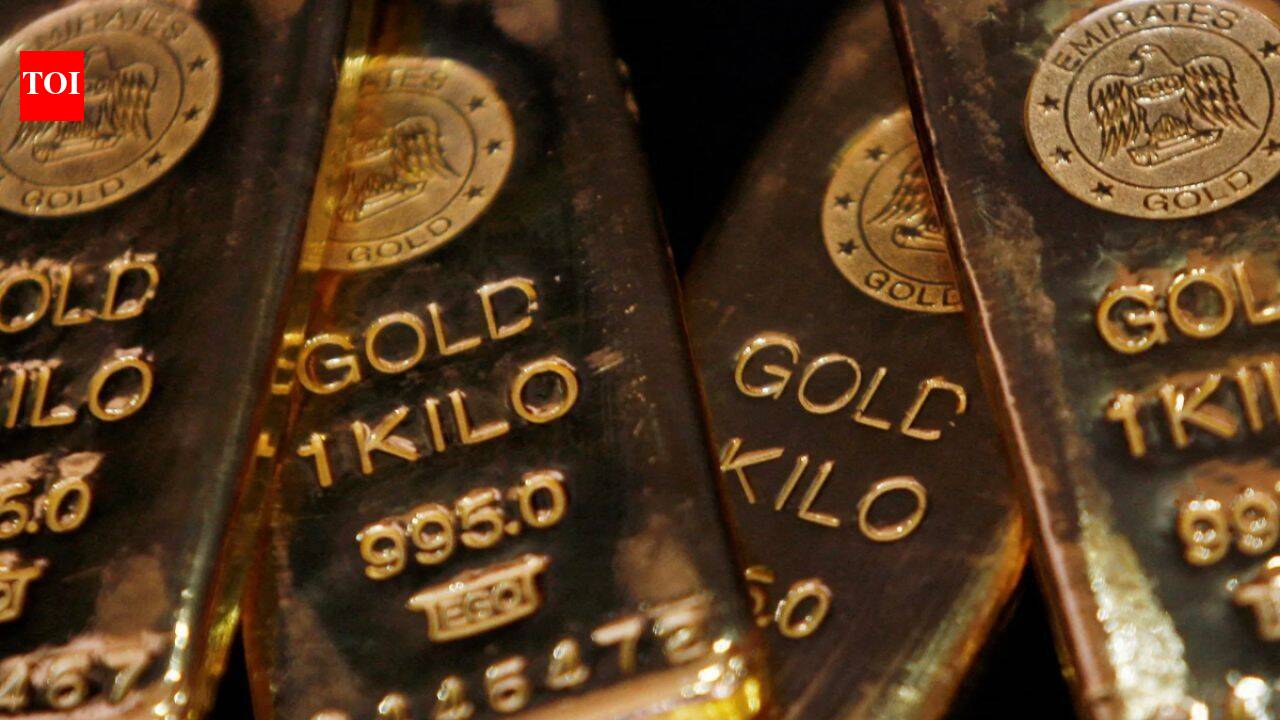
Gold whipsawed after the US completed a fresh round of strikes against Iran, raising the stakes in a war that has roiled global markets and stoked inflation. Bullion rose as much as 1.1% in choppy trading, reversing a drop of similar magnitude that took the metal close to $4,000 an ounce earlier Thursday.
US Strikes and Iran's Strait of Hormuz Closure
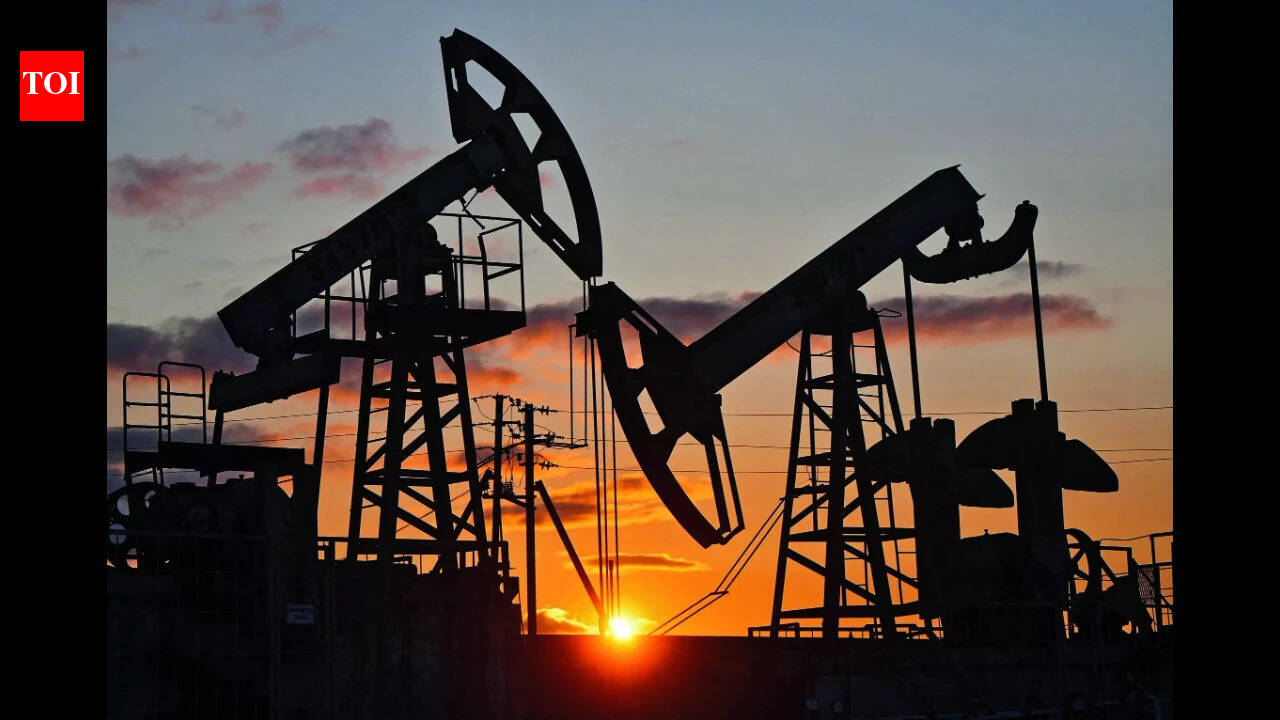
The US military confirmed it had completed strikes against targets in Iran, according to a report by Bloomberg. US President Donald Trump accused Iran of dragging out talks on an interim peace deal. In response, Tehran announced it is closing the Strait of Hormuz to all vessels, a choke point for about 20% of global oil shipments. The war, now in its fourth month, has already disrupted energy flows via Hormuz, driven oil prices higher, and raised the likelihood of interest-rate hikes as central banks try to contain inflation.
Inflation Pressures and Trade Costs
US inflation accelerated in May to the fastest pace in more than three years, as the war pushed up energy prices that outstripped Americans' pay gains. According to the Bureau of Labor Statistics, the consumer price index climbed 0.5% from April and 4.2% from a year earlier, the most since early 2023. For importers and exporters, higher energy costs translate directly into increased freight and logistics expenses, while central bank rate hikes raise financing costs for working capital.
| Metric | Value |
|---|---|
| Spot gold (10:05 am Singapore) | $4,097.73/oz |
| Daily change | +0.6% |
| Previous session change | -4%+ |
| Gold price relative to pre-war (end-Feb) | -22% |
| Silver price | $63.96/oz |
| US CPI May (year-over-year) | 4.2% |
| US CPI May (month-over-month) | 0.5% |
Gold's Decline: Deleveraging in a Risk-Off Environment
Gold is around 22% below where it traded before the Iran war broke out at the end of February. The metal's recent decline through its 200-day moving average triggered additional selling, as that level is closely watched by institutional investors. Robert Gottlieb, a consultant and former precious metals trader at JPMorgan Chase & Co., commented in a LinkedIn post: "The constant flow of conflicting headlines is increasing uncertainties and prompting investors to reduce risk exposure and raise liquidity across a range of asset classes." He added that the latest slump "is more about deleveraging and portfolio repositioning, rather than a fundamental reassessment of gold as a safe-haven asset."
Implications for Trade and Logistics
For trade executives, the Strait of Hormuz closure threatens immediate disruptions to crude oil and liquefied natural gas shipments originating from the Middle East. Shippers and freight forwarders must reroute vessels via longer alternatives—adding time and cost—while insurers adjust war-risk premiums. Customs brokers handling energy-intensive goods may see delays and higher compliance costs. Meanwhile, the accelerating US inflation data signals that the Federal Reserve could resume rate hikes, further squeezing import finance margins. The combination of conflict-driven supply chain shocks and monetary tightening creates a high-uncertainty environment for cross-border trade.
What to Watch
Market participants will monitor any diplomatic progress between the US and Iran, as well as the duration of the Strait of Hormuz closure. A prolonged blockade would deepen energy supply disruptions and potentially push gold back above $4,000/oz as a safe-haven hedge, while further inflation readings could alter central bank policy trajectories.
Sources: