Oil prices slid in early Asian trade on Monday after Pakistan, which has been mediating an end to the US-Iran war, announced a peace deal that US President Donald Trump said would see the reopening of the key Strait of Hormuz shipping route. According to BBC Business, Brent crude, the global oil benchmark, was 3.8% lower at $84.02 (£62.48) a barrel, while US-traded oil was down 4.1% at $81.40.
Supply Disruption: Strait of Hormuz Reopens
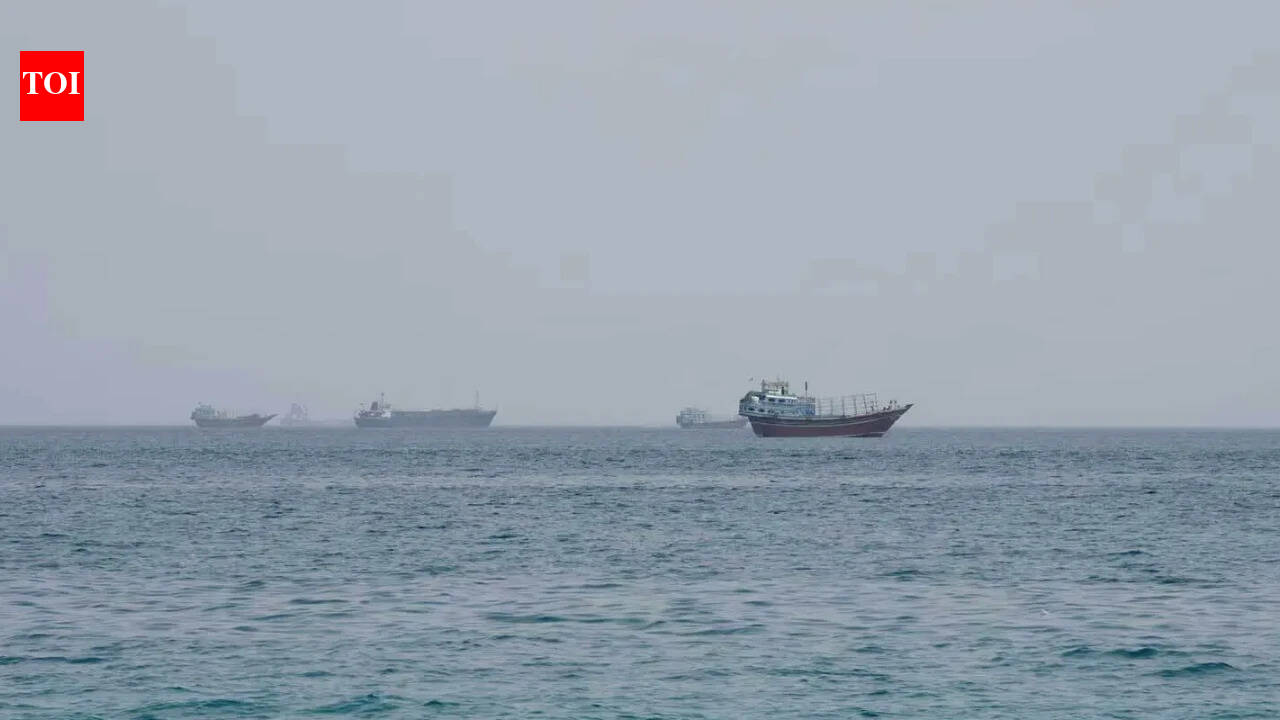
The Strait of Hormuz had been effectively closed since shortly after the US and Israel launched airstrikes on Iran on 28 February. BBC Business reported that Tehran had threatened to attack vessels using the crucial waterway, through which around 20% of the world's oil and liquefied natural gas (LNG) normally passes. The disruption has been a major factor driving volatility in global energy markets.
President Donald Trump later posted on social media: "oil will flow." The reopening of the strait is expected to ease supply concerns and pressure prices further.
Price Movements Since the Conflict Began
Global energy markets have experienced significant swings since the start of the US-Israel war with Iran. According to BBC Business, Brent crude was trading at around $70 a barrel before the conflict began on 28 February, and it peaked at about $120 during the war. The following table shows the trajectory:
| Metric | Pre-War (before Feb 28) | War Peak | After Peace Deal (June 14) |
|---|---|---|---|
| Brent crude | ~$70/barrel | ~$120/barrel | $84.02 (-3.8% from prior close) |
| US-traded oil (WTI) | Not available | Not available | $81.40 (-4.1% from prior close) |
The sharp declines indicate market optimism that supply routes will normalize, though some uncertainty remains until the official signing.
Mediation and Deal Details
Pakistan's Prime Minister Shehbaz Sharif announced the deal, which stipulates an official signing ceremony on Friday, 19 June in Switzerland. BBC Business noted that Pakistan has been mediating the end of the US-Iran war. The deal is seen as a breakthrough after months of conflict that sent oil prices on a "wild ride," with prices often rising or falling sharply in response to developments.
Outlook for Oil Markets
With the Strait of Hormuz set to reopen, the immediate risk of supply disruption is removed. However, market participants will watch for compliance with the deal and any residual tensions. The signing ceremony on 19 June will be a key event to confirm the durability of the peace agreement. If implemented smoothly, oil prices could retreat further toward pre-war levels, though the trajectory will also depend on broader demand conditions and OPEC+ production decisions. Commodity traders and procurement teams should monitor the reopening timeline and any temporary shipping bottlenecks as flows resume through the strait.
Sources: