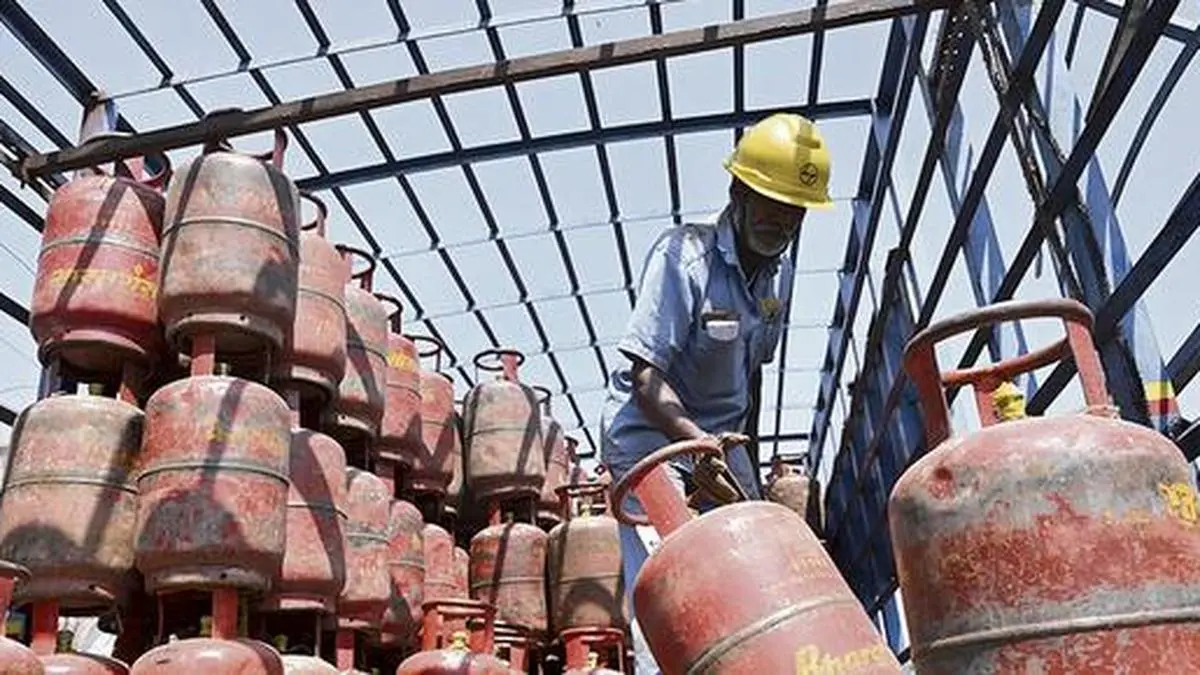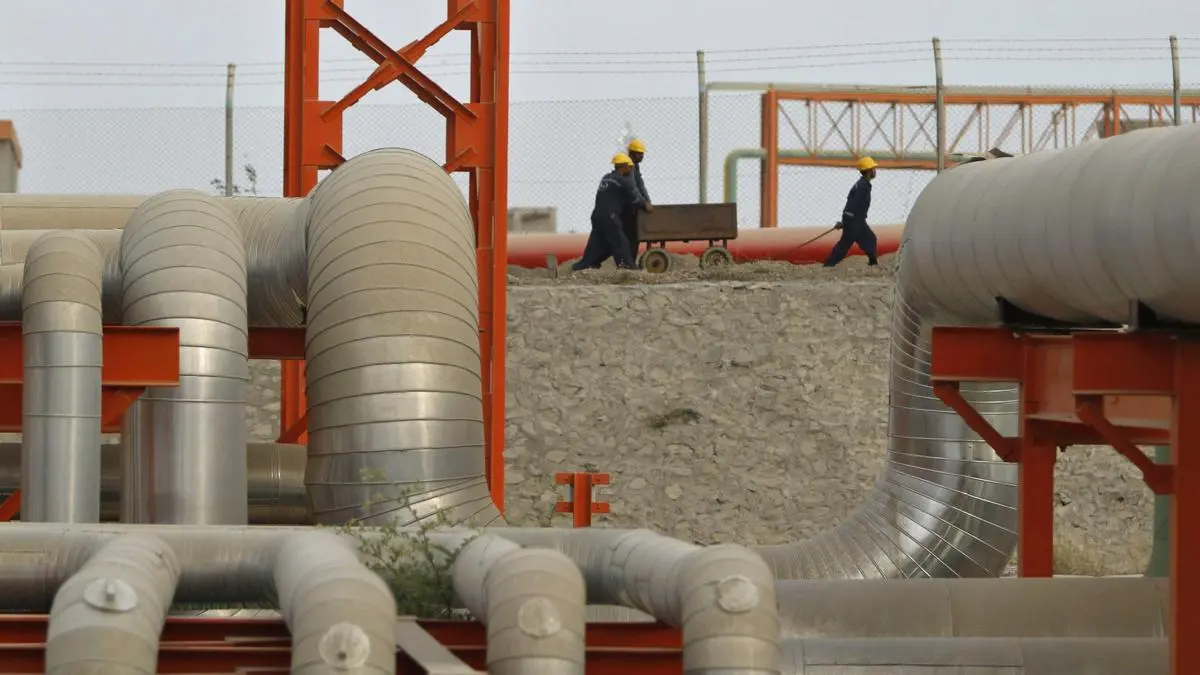
India's production of liquefied petroleum gas (LPG) has surged to a record 52,000 tonnes per day (TPD), up from approximately 46,000 TPD earlier this month. This increase follows the resumption of operations at refineries such as the Nayara Energy-operated Vadinar refinery, which had been shut down for maintenance in April.
Supply Dynamics
The growth in LPG production is a significant development for India, which relies heavily on imports to meet domestic demand. Sujata Sharma, Joint Secretary in the Oil Ministry, confirmed that all refineries are operating at optimal levels, contributing to this production milestone.
"We have sufficient stocks of petrol, diesel, and LPG. Adequate inventories of natural gas and crude oil have also been secured," said Sharma.
However, the geopolitical situation in West Asia and the closure of the Strait of Hormuz (SoH) have disrupted supply chains, affecting more than half of India's LPG demand. The International Energy Agency (IEA) reported that the closure impacted 430,000 barrels per day of LPG cargoes during March-April 2026.
Demand and Consumption Trends
India's current LPG demand is around 72,000 TPD, lower than the usual 80,000 TPD, due to seasonal declines in consumption during the summer months. Despite the production increase, the country still imports 60% of its LPG needs, with 90% of these imports originating from the Middle East Gulf (MEG) region.
Strategic Reserves and Future Outlook
To mitigate supply disruptions, the Ministry has directed public sector oil marketing companies (OMCs) to enhance LPG storage to cover at least 30 days of demand. This strategic move aims to provide a buffer against future supply challenges.
| Period | Average Production (TPD) |
|---|---|
| First week of April | 46,000-47,000 |
| Last week of March | 50,000 |
| Current | 52,000 |
As India continues to navigate these challenges, the focus will remain on securing alternative supply routes and expanding strategic reserves. Upcoming data releases from the US Energy Information Administration (EIA) and the IEA will provide further insights into global supply dynamics.