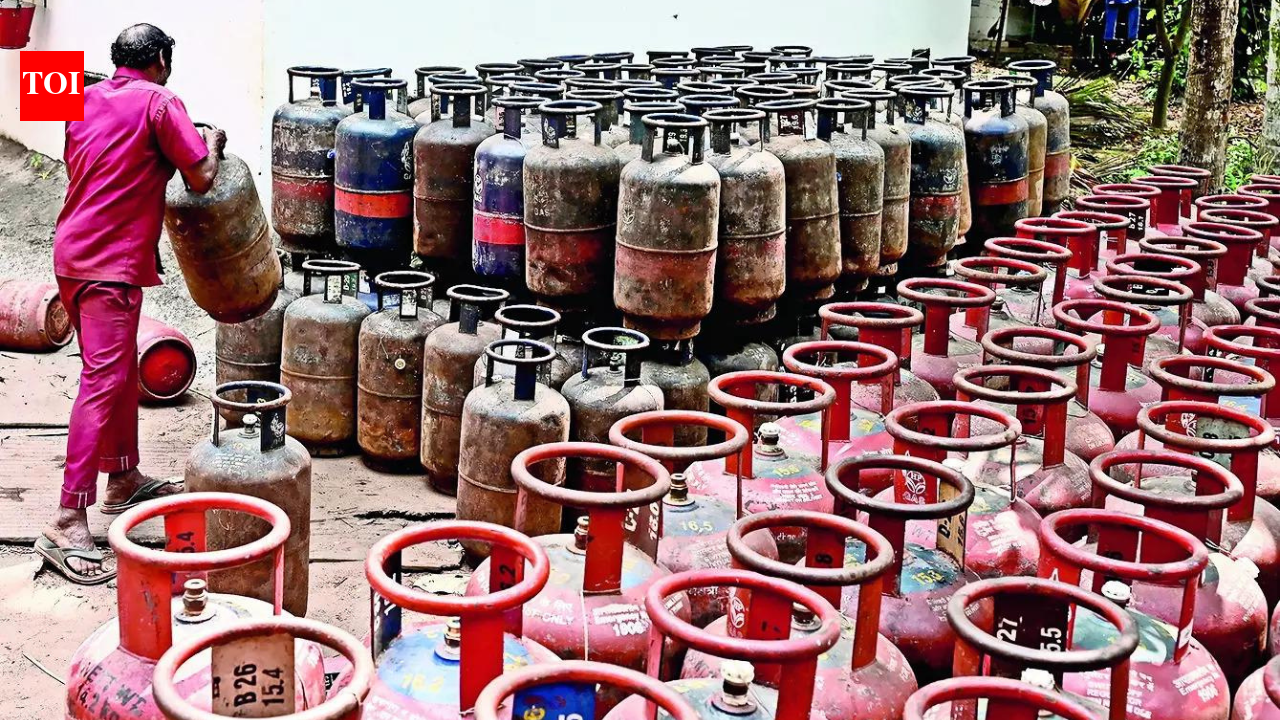
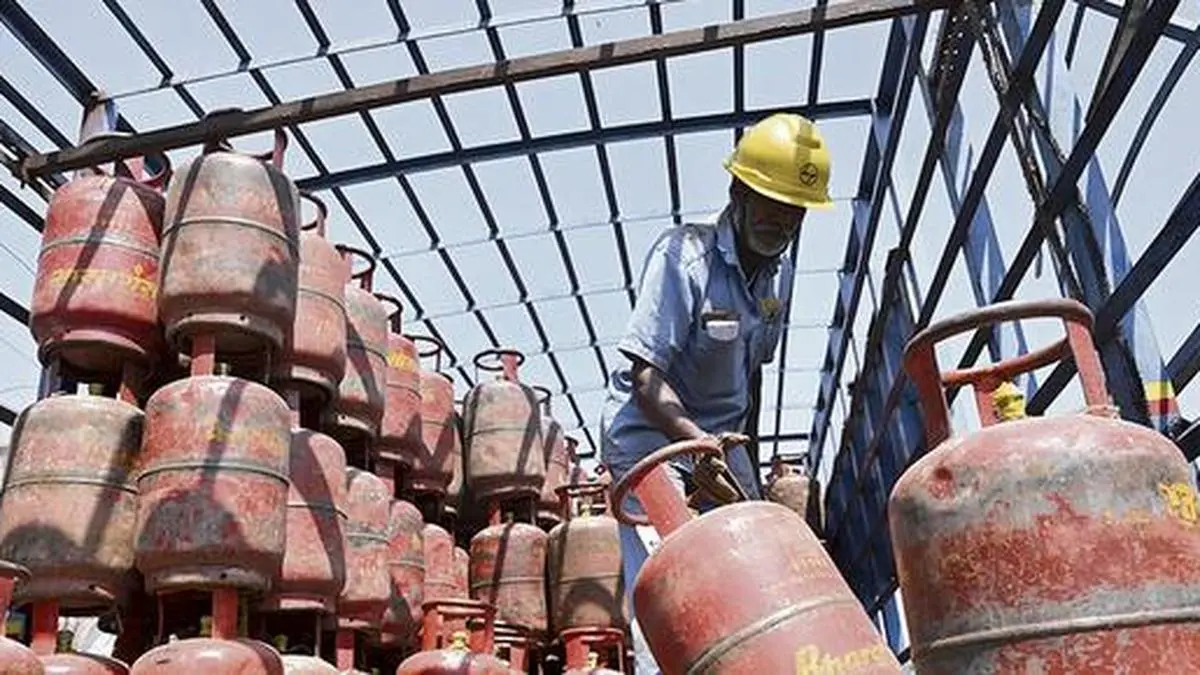
India has directed private and state-owned refiners to maximise liquefied petroleum gas (LPG) output ahead of the festival season, turning to domestic production as uncertainty over the Strait of Hormuz continues to threaten imports, according to a Bloomberg report published by The Hindu BusinessLine. Domestic refiners have already lifted output to as much as 54,000 tonnes a day from about 36,000 tonnes a day before the West Asia war, the report said.
Hormuz disruption and import reliance
India depends on imports for roughly two-thirds of its LPG consumption, with nearly 90% of those supplies passing through the Persian Gulf chokepoint before the West Asia war disrupted flows, the report said. Deadlocked US–Iran peace talks and continued attacks on ships are keeping flows through the Strait of Hormuz well below normal. Buyers have turned to the US and newer suppliers, including Algeria and Australia, to replace lost West Asian cargoes.
The country faced acute shortages of its most widely used cooking fuel for weeks during the conflict, forcing households to turn to more polluting alternatives such as biomass and kerosene, according to the report.
Government directive to refiners
An August 13 government notification orders private and state-owned refiners, as well as oil and gas producers, to "implement all technically and economically feasible measures" to maximise LPG output. The directions include exploring alternative uses of feedstocks, such as converting naphtha into LPG. Refiners have also been told to expand infrastructure for LPG storage, evacuation and transportation.
Production ramp-up and company targets
| Metric | Value |
|---|---|
| Pre-war daily LPG production | 36,000 tonnes |
| Current daily LPG production | up to 54,000 tonnes |
| Government target | 63,810 tonnes/day |
| Reliance domestic unit target | 18,000 tonnes/day |
Domestic refiners have already raised output to as much as 54,000 tonnes a day to help meet higher demand during the traditional festival season that starts in September and peaks in November with Diwali, the report noted. The government wants the industry to be capable of producing as much as 63,810 tonnes a day within stipulated timelines.
Upper-limit targets have been set for individual refiners, with Reliance Industries Ltd's domestic-market-focused unit assigned the largest target at 18,000 tonnes a day. The company's exports-focused special economic zone refinery has been exempted. State-run explorers Oil and Natural Gas Corp. and Oil India Ltd., along with the national gas pipeline utility Gail India Ltd., have been asked to contribute about a tenth of the nationwide target.
Cost and demand rationale
"Due to the prolonged war, the government wants to maximise domestic LPG production," Prashant Vasisht, senior vice-president at ratings agency ICRA Ltd., said in the report. "This is also because of the large travel time for alternate supplies from the US, Australia, which adds to cost and supplies have to be arranged several months in advance."
India has traditionally relied on LPG imports rather than domestic production because the fuel is less profitable than gasoline and petrochemical feedstocks, the report said. The government will review the production targets every January and July, according to the notification.
Sources: