
Topic
output
 Commodities
 India's July crude steel output rises 1.9% to 14.4 mt even as global output slips
India's crude steel production rose 1.9 per cent year-on-year to 14.4 million tonnes in July, even as global output slipped 0.3 per cent, according to worldsteel. India retained the No. 2 producer slot with January-July output up 6.1 per cent at 101.1 mt, while China's July output fell 3.6 per cent. worldsteel forecasts 2026 global steel demand growth of just 0.3 per cent.
 Commodities
 India Caps Refiners' LPG Output at 63,810 TPD Until December on Supply Disruption
India's Central Government has set a maximum daily LPG production limit of 63,810 tonnes per day for all refiners, including joint ventures and private firms, until December 2026. The Ministry of Petroleum & Natural Gas issued the directive after the closure of the Strait of Hormuz, marking the first bi-annual production cap. Reliance Industries received the largest allocation at 18,000 TPD.
 Commodities
 Domestic Refiners Told to Boost LPG Output as Hormuz Uncertainty Lingers
India has directed private and state-owned refiners to maximise LPG production as uncertainty over the Strait of Hormuz threatens imports, with output already lifted to 54,000 tonnes a day from 36,000 tonnes pre-war. The government set a 63,810-tonne-a-day target, assigning Reliance Industries the largest quota at 18,000 tonnes a day, ahead of the September-November festival season.
 Commodities
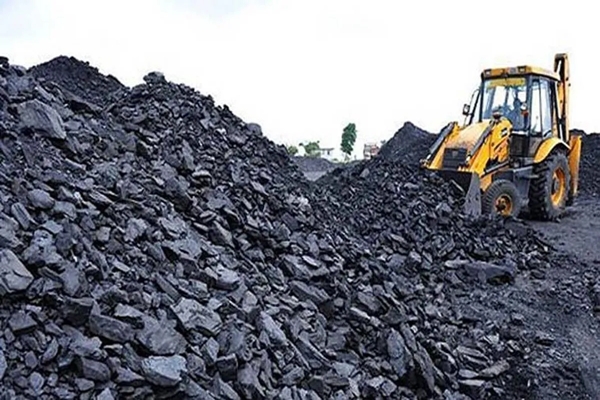
 Coal production stands at over 69 Million Tonnes during last month: Govt
The Ministry of Coal reported that overall coal production during the previous month stood at over 69 million tonnes, against more than 64 million tonnes a year earlier. Overall coal despatch rose to more than 86 million tonnes from over 73 million tonnes, marking robust growth of more than 18 percent. The ministry said coal supply for the power sector remains adequate.
 Commodities
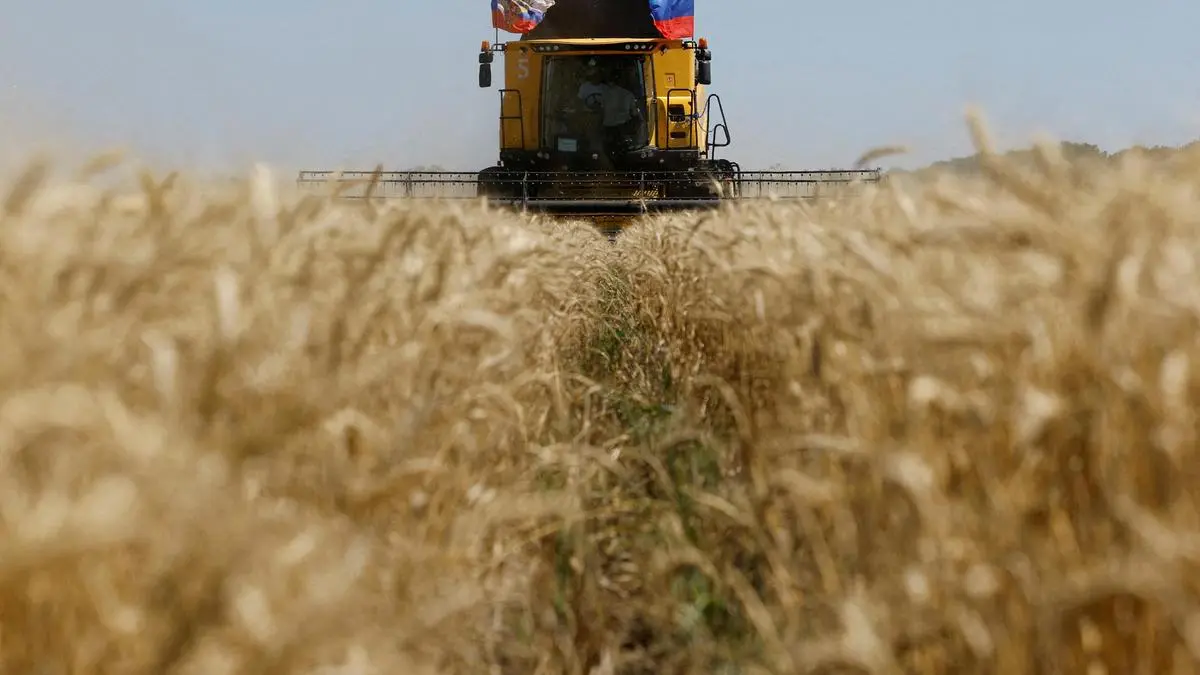
 Global Wheat Output May Drop 23 Million Tonnes Next Season on Iran War, El Nino
Global wheat production is projected to decline by 23 million tonnes in 2026-27 as El Niño and the Iran conflict curb acreage and raise fertiliser costs, according to The Hindu BusinessLine. IGC pegs output at 821 mt versus 844 mt this season, with ending stocks falling to 279 mt. CBOT wheat futures trade near $6.54 per bushel as analysts see a price floor from supply risks.
 Commodities
 India Retains Global Dairy Lead as USDA Forecasts Milk Output Rise to 105.4 MT in 2026
India is set to strengthen its position as the world's largest milk producer in 2026, with cow's milk production forecast to rise to 105.4 million tonnes, according to the USDA. The increase is accompanied by a dairy herd of 62.5 million head and rising domestic consumption of fluid milk, butter, and non-fat dry milk. The report portrays India as a domestic consumption-driven market, with little emphasis on export growth despite Amul's international expansion.
 Commodities
 Global Steel Output Rises 1.7% in June 2026 Driven by Strong Regional Gains
Global crude steel production increased 1.7% year-on-year to 155.7 million tonnes in June 2026, driven by gains in Asia, the EU, and North America, according to the World Steel Association. First-half output fell 0.7% to 931.5 mt. India led the top five producers with 7.1% growth in H1, while Vietnam surged 27.5% in June.
 Commodities
 10% Monsoon Deficit Hits Kharif Output: Government Warns of Production Decline Risks
The Indian government stated that kharif foodgrain production declines when the all-India monsoon rainfall deficiency exceeds about 10%, citing major drought/El Niño years. Meanwhile, cotton production has fallen due to diversification, while spices parks processed over 52,000 tonnes and e-NAM interstate trade surged.
 Commodities
 India's Coffee Output for 2026-27 Projected Up 8% at 4.04 Lakh Tonnes, Coffee Board Says
The Coffee Board of India's post-blossom estimate projects coffee output for the 2026-27 crop year at 4.04 lakh tonnes, an 8% increase from the final 2025-26 estimate of 3.73 lakh tonnes. Karnataka leads production with higher arabica and robusta output, while uneven pre-monsoon showers and USDA FAS's lower projection add uncertainty.
 Commodities
 Global oil output to return to pre-Iran war level by year's end, US EIA says
The U.S. Energy Information Administration (EIA) reported that global oil output and trade flows should rebound fully by the end of 2026 from disruptions caused by the Iran war. The agency cut its Brent crude price forecast to $74/barrel for Q3, down from $85 in June and a previous estimate of $101. The easing of the Strait of Hormuz blockade after a preliminary U.S.-Iran deal has enabled increased vessel movement, and the EIA expects most shut-in Middle East production to return by Q1 2027, lowering fuel prices.
 Commodities
 Oil prices slip after OPEC+ agrees to raise output targets from August
Oil prices edged lower on Monday after OPEC+ agreed to raise production targets by 188,000 barrels per day from August, the fifth consecutive monthly increase. Brent crude fell 0.58% to $71.70 per barrel, while WTI eased 0.36% to $68.44. The decline was fueled by improving Gulf exports and record-high Russian crude shipments, offsetting ongoing supply constraints from the Strait of Hormuz disruption.
 Commodities
 OPEC+ agrees fresh August oil output hike as Strait of Hormuz reopens
OPEC+ has agreed to increase oil production quotas by 188,000 barrels per day (bpd) from August, continuing the unwinding of earlier cuts. The decision comes as the Strait of Hormuz reopens following a US-Israeli war on Iran that had disrupted exports. Oil prices have retreated to pre-war levels, with Brent crude settling near $72 per barrel.
 Commodities
 Global crude steel output slips marginally in May 2026, India maintains growth
Global crude steel output edged down 0.3% year-on-year in May 2026 to 157.9 million tonnes, according to World Steel Association data. India maintained its position as the second-largest producer with a 1.9% output gain, while China's production fell 2.7%. North America and Africa saw robust growth, but the Middle East recorded a sharp 19.4% decline.
 Business
 Core sector growth slows to 0.5% in May as coal, refinery output contract, TOI Business Desk reports
India's core sector growth decelerated to 0.5% in May, with coal and refinery output contracting, as reported by the TOI Business Desk. The article provides no additional details or supporting data beyond the headline.
 Commodities
 Telangana rice surplus challenge grows as paddy output triples in a decade
Since 2014, Telangana's paddy output has nearly tripled, reaching 1.70 crore tonnes in 2024-25, driven by irrigation expansion and MSP procurement. The resulting surplus, now exceeding 20 lakh tonnes, has prompted a policy paper from PJTAU's C-SAS recommending crop diversification, export development, and procurement rationalisation to manage the growing stockpile.
 Commodities
 El Nino May Weaken India's Monsoon, Threaten Rice and Maize Output, FAO Warns
The FAO has warned that the newly begun El Nino phase may weaken India's summer monsoon, putting rainfed crops like rice and maize under stress during the kharif season. Historical analysis shows that during the 2015-16 El Nino, India's maize output fell by 4% and rice dropped by 1%, while Southeast Asia lost about 15 million tonnes of rice. The agency also flagged that disruptions to shipping through the Strait of Hormuz are raising energy and fertiliser costs as farmers prepare for sowing.
 Commodities
 Assam's Tea Output Surge Boosts India's April Production by 5%
India's tea production increased by 5% in April 2026, reaching 104.28 million kg, primarily due to a significant output rebound in Assam. Favorable weather conditions contributed to a 36% increase in Assam's production, while other regions like West Bengal and South India saw declines.
 Commodities
 India Lowers Foodgrain Output Target Amid Monsoon Concerns
India has reduced its foodgrain output target for the 2026-27 crop year to 373.93 million tonnes, citing concerns over a below-normal monsoon forecast. The decision reflects potential impacts from El Nino, affecting rice and maize production.
 Commodities
 Indian Refiners Adapt to New Crude Mix Amid Hormuz Crisis
Indian refiners are modifying their operations to handle a wider range of crude oil grades due to disruptions in the Strait of Hormuz. This adjustment aims to optimize fuel production amid geopolitical tensions.
 Commodities
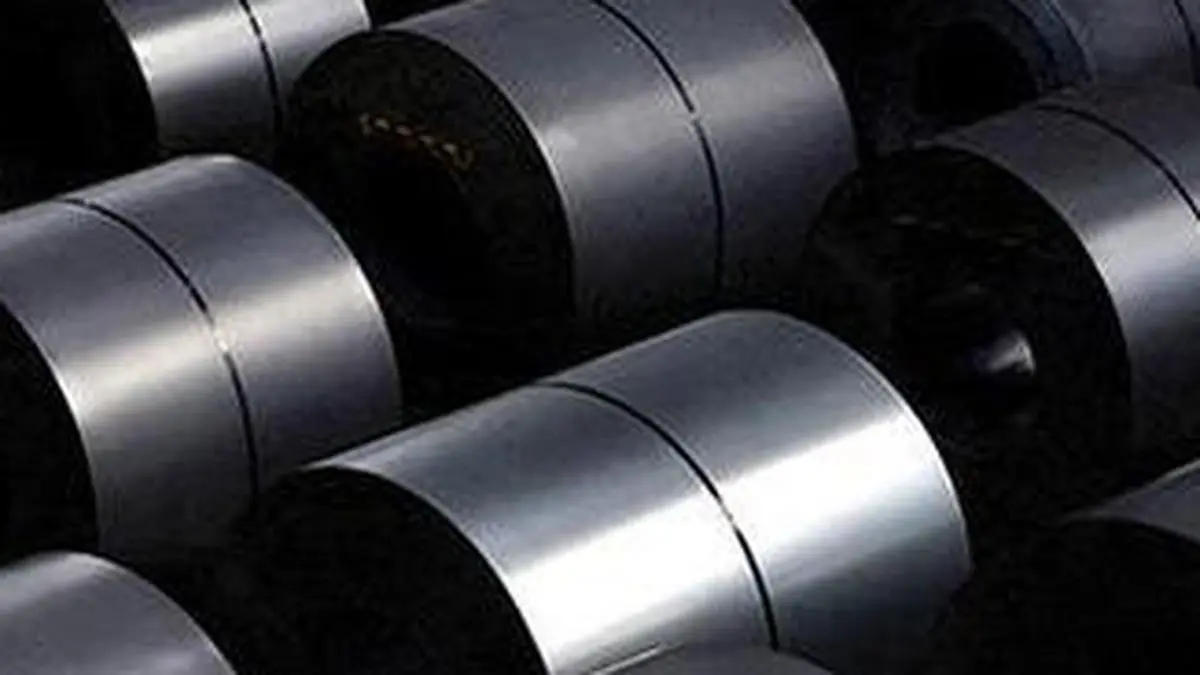
 Global Crude Steel Output Declines Amid Geopolitical Strains
Global crude steel production decreased by 1.9% in April 2026, with significant declines in China, the Middle East, and Russia. India and the US showed growth, countering the trend.