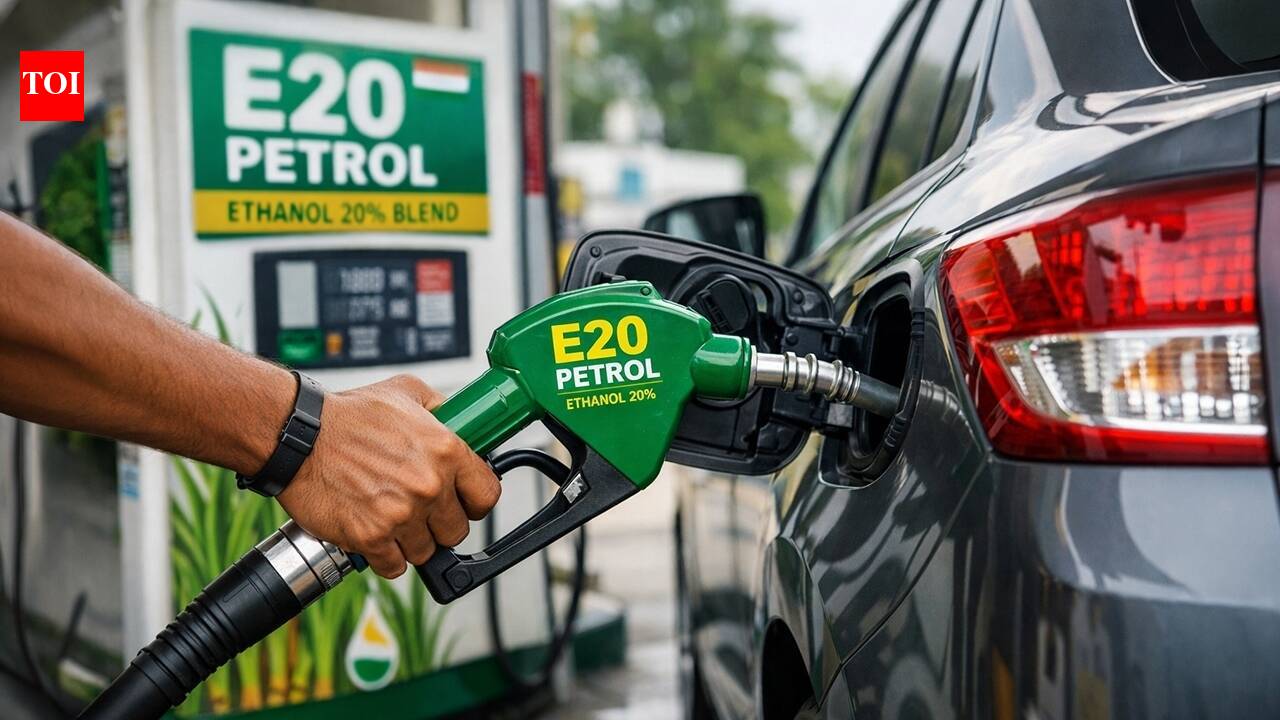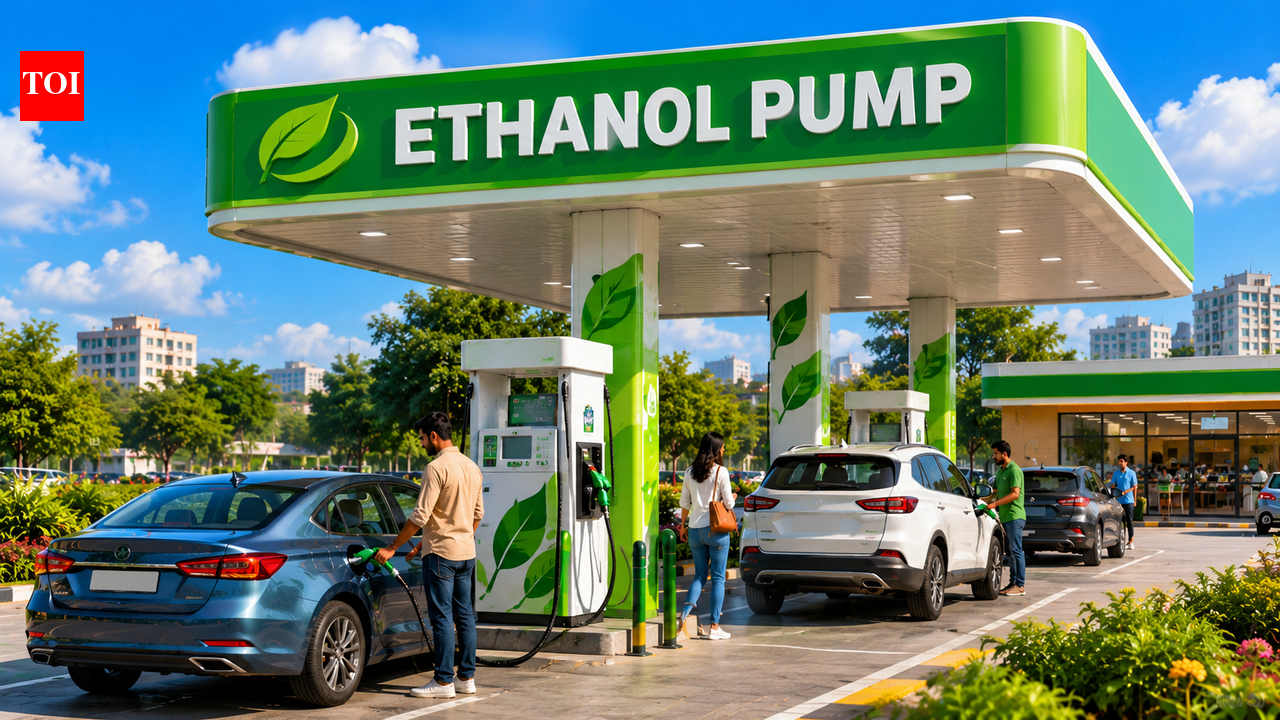
India is accelerating its ethanol initiative with a plan to establish 5,000 ethanol fuel stations by the end of 2027. This move is part of a broader strategy to reduce the country's dependence on imported fossil fuels, which currently costs around $120 billion annually.
Ethanol Station Rollout
The rollout will commence with 50-100 stations in Delhi-NCR, Pune, Mumbai, and Nagpur. By the end of 2026, the number is expected to reach 500, eventually expanding to 5,000 by 2027. Hardeep Singh Puri, India's Petroleum and Natural Gas Minister, emphasized the importance of this initiative in reducing fossil fuel imports.
"I think we are starting with about 50 to 100 (ethanol) dispensing stations in Delhi-NCR region, Pune, Mumbai, and Nagpur, etc. This 50-100 (ethanol) dispensing stations will hopefully go up to 500 towards the end of 2026," said Minister Puri.
Flex-Fuel Vehicles and Economic Benefits
The expansion is also tied to the promotion of flex-fuel vehicles, which can run on higher ethanol blends like E85 and E100. This shift is expected to create additional ethanol demand of 311.8 crore litres, generating Rs 12,403 crore in extra income for farmers. The government has already achieved a 20% ethanol blend with petrol, significantly reducing crude oil imports.
Regulatory Changes
To support this transition, the Ministry of Road Transport and Highways is proposing amendments to the Central Motor Vehicles Rules, 1989. These changes will allow for broader use of alternative fuels, including B100 biodiesel and hydrogen-CNG combinations.
| Fuel Type | Ethanol Content |
|---|---|
| E85 | 85% |
| E100 | 100% |
Outlook
The expansion of ethanol stations and the regulatory support for alternative fuels are expected to drive significant changes in India's energy landscape. Upcoming data releases from the US EIA and IEA will provide further insights into global energy trends and their impact on India's ethanol strategy.