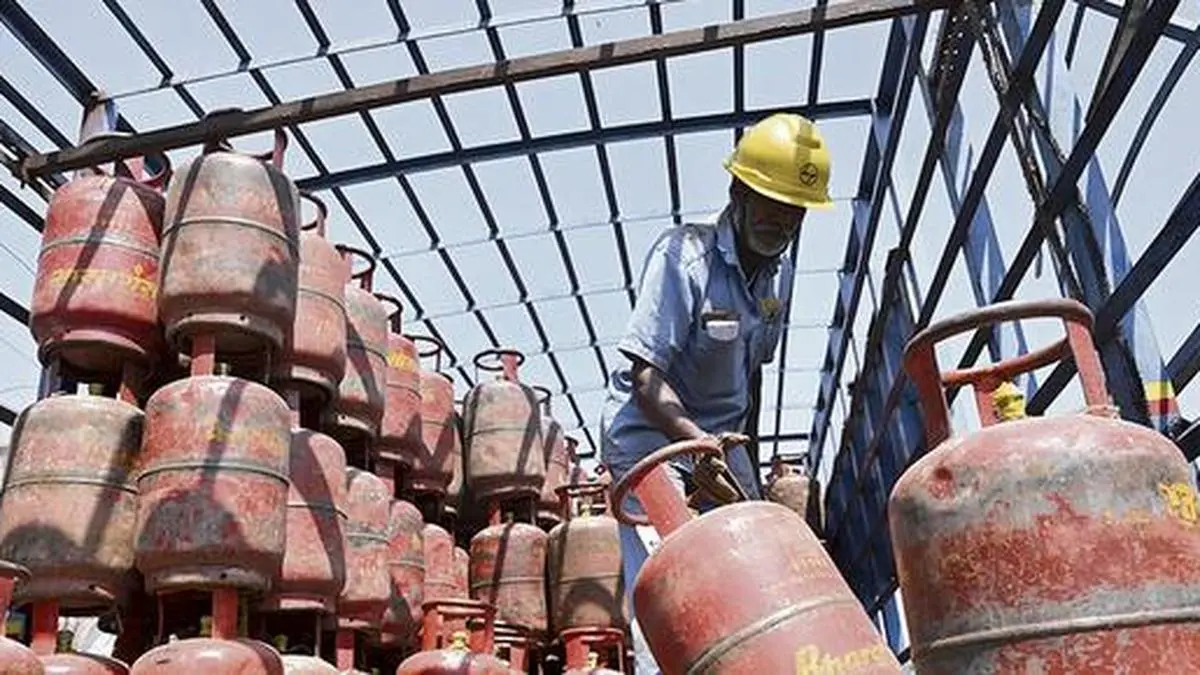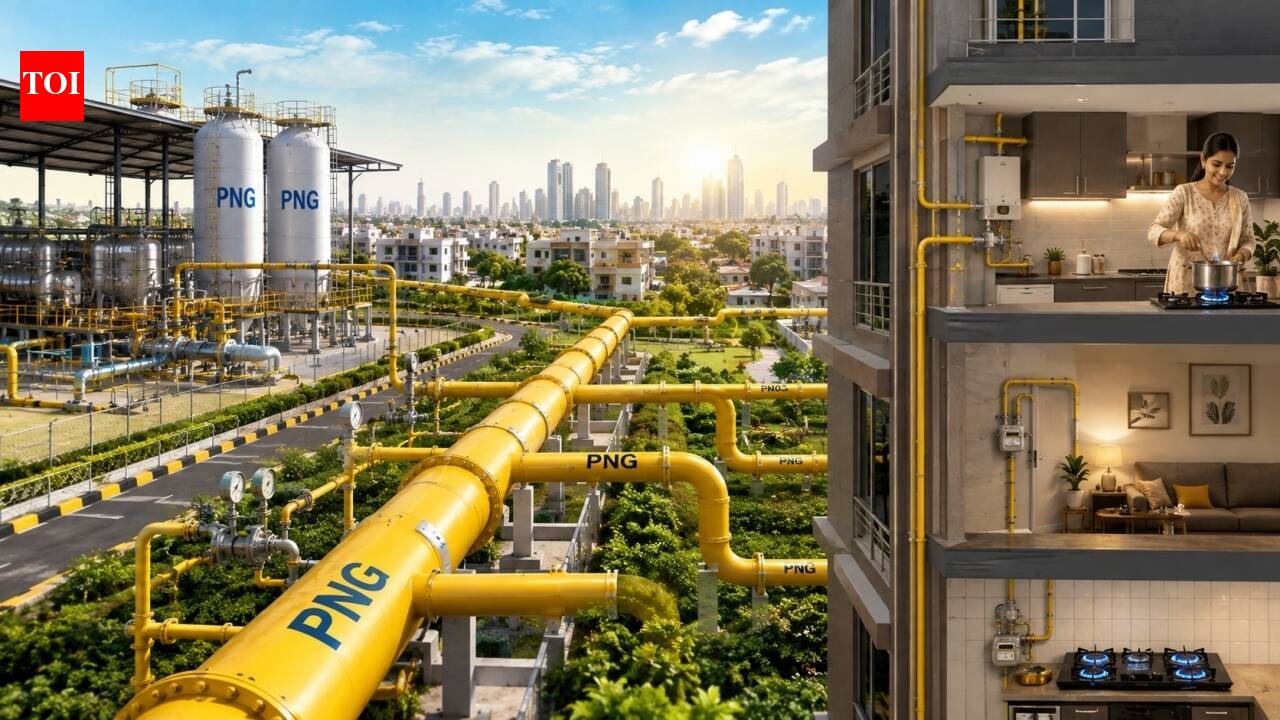
The Indian government will offer city gas distributors 200 standard cubic metres (SCM) of lower-priced domestically produced natural gas for every new billed domestic piped natural gas (PNG) connection, reported Business Today, in a scheme intended to encourage companies to speed up the shift from LPG cylinders to PNG for cooking.
New PNG incentive scheme
Approved by the government and effective from September 1, the benefit will apply to new domestic PNG connections added above a specified threshold for each geographical area, according to a PTI report cited by Business Today.
- The scheme offers 200 SCM of cheaper domestic natural gas for every new billed domestic PNG connection.
- The extra allocation of lower-priced domestically produced APM (administered price mechanism) gas gives eligible city gas distributors flexibility in sourcing.
- Distributors can replace part of the more expensive LNG currently purchased for their CNG transport operations, reducing overall gas procurement costs.
- The incentive will be rolled out in two phases of six months each.
According to an official statement from the oil ministry, the scheme is designed both to activate existing connections that remain unused or unbilled and to extend PNG networks to areas that are not currently covered.
| Metric | Current / detail | Expected impact |
|---|---|---|
| Domestic PNG connections in India | around 17.4 million | more connections targeted |
| Incentive per new billed connection | 200 SCM of APM gas | lowers distributor sourcing costs |
| Payback period for distributors' capex | about 10 years | roughly three years |
| Rollout | two phases | six months each |
The government estimates that the payback period for distributors' capital expenditure could fall to roughly three years from about 10 years.
Why the PNG push
India has around 17.4 million domestic PNG connections at present. The push for wider PNG adoption gathered pace during the Middle East conflict earlier this year, when interruptions to LPG supplies led the government to explore ways of reducing dependence on cylinders, especially among commercial users, Business Today reported.
- Household LPG supplies were given priority, but city gas distributors were encouraged to speed up PNG connections, with incentives offered to consumers and businesses to make the switch.
- More than 5 lakh PNG connections have been gasified since March, while over 5.7 lakh consumers have registered for new connections.
- The government directed consumers who had PNG connections to surrender their domestic LPG connections and began a campaign encouraging the transition to piped gas.
Accompanying measures
According to the oil ministry statement, the government is also working to ease regulatory constraints affecting gas infrastructure, bring greater uniformity to right-of-way charges and persuade states to reduce VAT on natural gas to 5%. Several states have already lowered the tax.
As part of the nationwide PNG Drive 2.0, the government is conducting awareness programmes, encouraging housing societies that currently use LPG to shift to PNG and providing households with a facility to surrender their LPG cylinders. Work is also underway on a common digital platform through which consumers can apply for and track PNG connections.
Impact on gas sourcing and payback
The government expects these savings to significantly improve the economics of household PNG connections, cutting the payback period for distributors' capital expenditure from about 10 years to roughly three years.
PNG differs from LPG cylinders in that it reaches homes continuously through pipelines, with consumers charged according to metered usage, according to Business Today. For eligible city gas distribution companies, the extra allocation of lower-priced APM gas also provides flexibility in sourcing, allowing a portion of the more expensive LNG purchased for CNG transport operations to be replaced.
That substitution lowers overall gas procurement costs and strengthens the commercial case for adding household connections, a key objective as the government continues its campaign to shift consumers from cylinders to piped gas.
Sources: