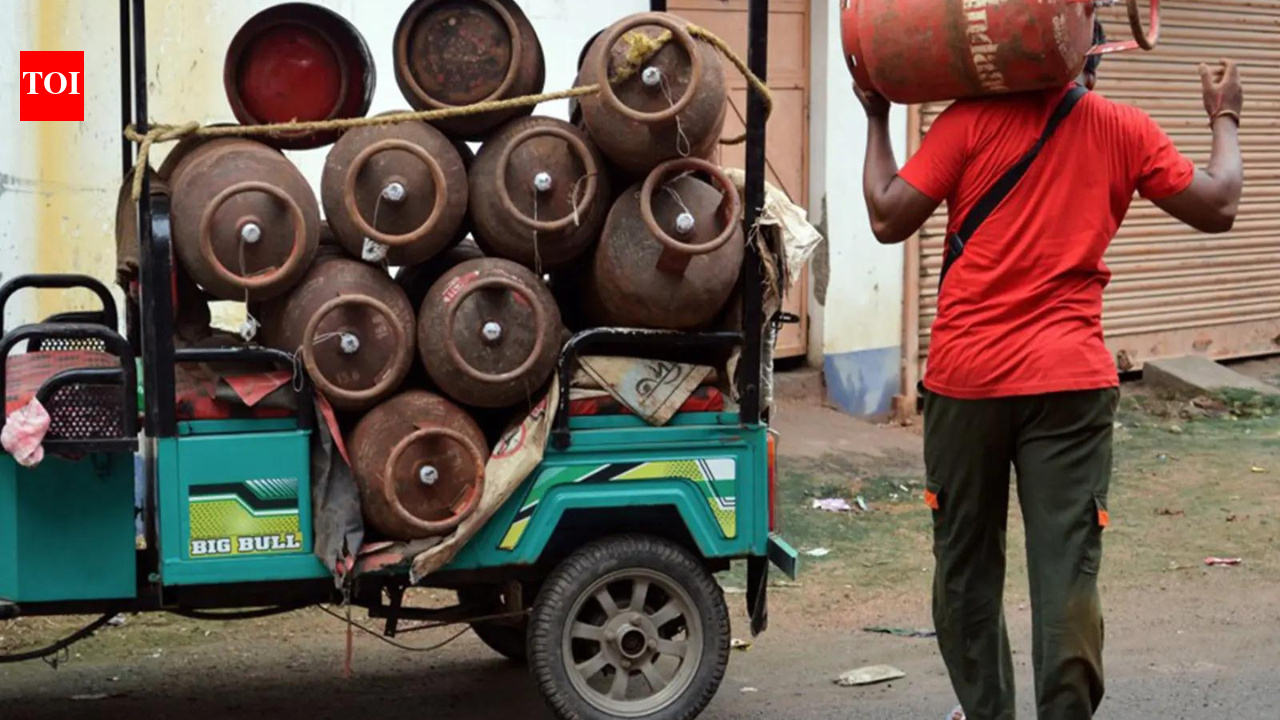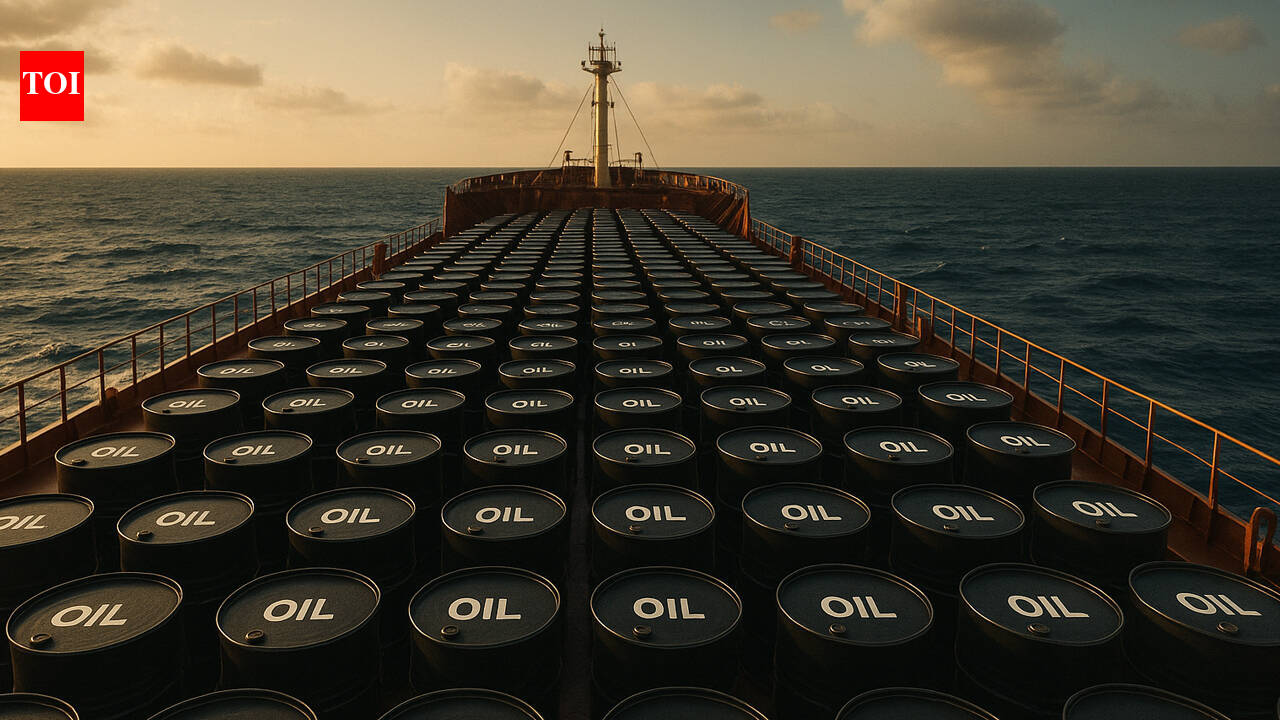
Indian refiners have built sufficient crude oil and LPG inventories to sustain operations through at least August and mid-July respectively, according to sources cited by Reuters, as the ongoing Middle East conflict continues to disrupt global energy shipments.
Crude Stockpiles Secure Through August
Indian refiners have built up ample crude inventories to meet demand through at least August, Reuters sources reported. One refinery source told the agency: "We are well covered on LPG front at least till mid-July, and crude is not a problem." The country, which imports nearly 88% of its crude oil requirements, has relied on increased purchases from Latin America and Africa as tensions in the Middle East have strained shipments via the Strait of Hormuz.
LPG Supply Comfortable Until Mid-July
On the LPG front, supplies are expected to remain comfortable until at least mid-July after refiners stepped up purchases from Abu Dhabi National Oil Co (ADNOC) and other suppliers in recent weeks, according to Reuters sources. Most LPG cargoes have been sourced from Sohar, while crude transfers have been conducted through ADNOC's storage facilities in Fujairah, Zirku and Das Island, as well as via ship-to-ship transfers in the Fujairah-Sohar region and Malaysia.
Recent Cargo Deals and Diversified Sourcing
Among recent acquisitions, state-run Hindustan Petroleum Corp (HPCL) purchased 4 million barrels of Murban crude from the United Arab Emirates for August delivery. The cargoes were bought from Totsa (the trading arm of TotalEnergies) and Mercuria, trade sources said on Thursday. One source noted the deal was struck at a premium of about 40 cents per barrel to the July Dated Brent benchmark. HPCL also bought 2 million barrels of crude from Brazil and West Africa last week for processing at its 180,000-barrel-per-day Rajasthan refinery. Other refiners, including Indian Oil Corp (IOC) and Mangalore Refinery and Petrochemicals Ltd (MRPL), have similarly turned to spot tenders to source crude in recent weeks.
Strategic Reserve Expansion with UAE
India and the UAE are advancing plans to expand strategic oil reserves as New Delhi seeks to strengthen energy security amid ongoing geopolitical uncertainties. The two countries are working to fast-track the creation of 30 million barrels of strategic oil reserves, following memoranda of understanding signed during Prime Minister Narendra Modi's visit to the UAE last month. India's ambassador to the UAE, Deepak Mittal, said efforts are underway to raise UAE-linked crude storage capacity in India from the current 5.8 million barrels to 30 million barrels, achieved through a combination of existing underground storage caverns and new infrastructure projects. The initiatives also include developing a framework for gas reserves, reflecting broader long-term energy security goals.
| Strategic Reserve Expansion Plan | Current Capacity (million barrels) | Target Capacity (million barrels) | Timeline |
|---|---|---|---|
| UAE-linked crude storage in India | 5.8 | 30 | Fast-tracked (post-MoU) |
Geopolitical Context
The Middle East conflict has disrupted global energy supplies for over 100 days. The crisis began on February 28 when the US and Israel launched joint strikes on Iran. In retaliation, Iran tightened its noose on the crucial Strait of Hormuz, straining shipments worldwide. In response, Indian refiners expanded purchases from Latin America and Africa, while also receiving some supplies from Saudi Arabia.
Implications for Trade and Logistics
For importers, exporters, and logistics executives, the secured inventories provide temporary relief but underscore persistent vulnerability in supply chains reliant on the Strait of Hormuz. The shift toward diversified sourcing from Brazil, West Africa, and ADNOC's facilities in Fujairah and Sohar signals a structural adjustment in India's crude procurement strategy. The planned expansion of UAE-linked storage capacity will enhance buffer stocks, but businesses should monitor the fast-track timeline and infrastructure development as new capacity comes online. With India importing 88% of its crude needs, any further escalation in the Middle East could trigger spot price volatility and freight disruptions, making forward contracting and alternative sourcing essential risk management tools.
Sources: