iGEN
Visit IGEN World Explore IGEN Expo
EXPLORE UPGRADE PLANS
BREAKING
Werner Enterprises Posts Highest Revenue Per Truck Growth in One-Way Segment in a Decade CMA CGM and Stonepeak Launch United Ports LLC in $2.4 Billion Terminal Joint Venture UPS shift away from Amazon shows bigger payoff Lanesurf: 62% of Loads Get Vetted Carrier Offers Before Brokers Arrive India-China Border Trade Via Lipulekh Resumes Aug 1; China Permits 20 Traders Geopolitics Drives CMA CGM Q2 Profit Surge of 42% as Volumes and Rates Climb Benchmark Diesel Price Rises Third Week as Futures Plunge; Spread Hits Record Indian Government Limits Sugar Dealers to 400 Tonnes Stock Until November to Curb Hoarding Tenants signing longer leases for larger warehouses as 3PLs lock in capacity US stock market flat as S&P 500 and Dow barely move, Nasdaq slides over 1% on chip rout Werner Enterprises Posts Highest Revenue Per Truck Growth in One-Way Segment in a Decade CMA CGM and Stonepeak Launch United Ports LLC in $2.4 Billion Terminal Joint Venture UPS shift away from Amazon shows bigger payoff Lanesurf: 62% of Loads Get Vetted Carrier Offers Before Brokers Arrive India-China Border Trade Via Lipulekh Resumes Aug 1; China Permits 20 Traders Geopolitics Drives CMA CGM Q2 Profit Surge of 42% as Volumes and Rates Climb Benchmark Diesel Price Rises Third Week as Futures Plunge; Spread Hits Record Indian Government Limits Sugar Dealers to 400 Tonnes Stock Until November to Curb Hoarding Tenants signing longer leases for larger warehouses as 3PLs lock in capacity US stock market flat as S&P 500 and Dow barely move, Nasdaq slides over 1% on chip rout
Home ›› Commodities ›› Commodities Energy ›› Middle East fuel oil exports hit four-month high as Hormuz shipping recovers

Middle East fuel oil exports hit four-month high as Hormuz shipping recovers

Middle Eastern fuel oil exports are set to rebound to a four-month high in June, rising more than 20% from May, as Iraq and Saudi Arabia reroute supplies through alternative ports while Strait of Hormuz shipments gradually resume after the US-Iran interim peace agreement. Exports are expected at about 2.4 million metric tonnes, still far below pre-conflict levels, with recovery constrained by tighter regional balances and peak summer demand.

iG
iGEN Editorial
June 25, 2026
Middle East fuel oil exports hit four-month high as Hormuz shipping recovers

Middle Eastern fuel oil exports are set to rebound to a four-month high in June, rising more than 20% from May, as Iraq and Saudi Arabia reroute supplies through alternative ports while shipments through the Strait of Hormuz gradually resume following the US-Iran interim peace agreement, according to Reuters, citing trade sources and shipping data.

Exports Surge 20% Month-on-Month

Exports from the region are expected to reach about 2.4 million metric tonnes (508,000 barrels per day) this month, more than 20% higher than in May, according to Kpler and LSEG data cited by Reuters. However, shipments remain well below the pre-conflict monthly average of 5.5–6 million tonnes. The following table compares the volumes:

Period Monthly Exports (million tonnes)
Pre-conflict average 5.5–6.0
May 2026 ~2.0
June 2026 (estimated) 2.4

Alternative Routes Fuel Recovery

The recovery follows the US-Iran interim agreement aimed at ending hostilities, easing concerns over disruptions in one of the world's busiest energy shipping routes. According to Palash Jain, Middle East oil consultant at FGE NexantECA, "Fuel oil flows through the Strait of Hormuz are expected to increase over the next 60 days, but the recovery is unlikely to be substantial. Uncertainty over the outcome of negotiations and the durability of the peace deal is expected to keep shippers cautious."

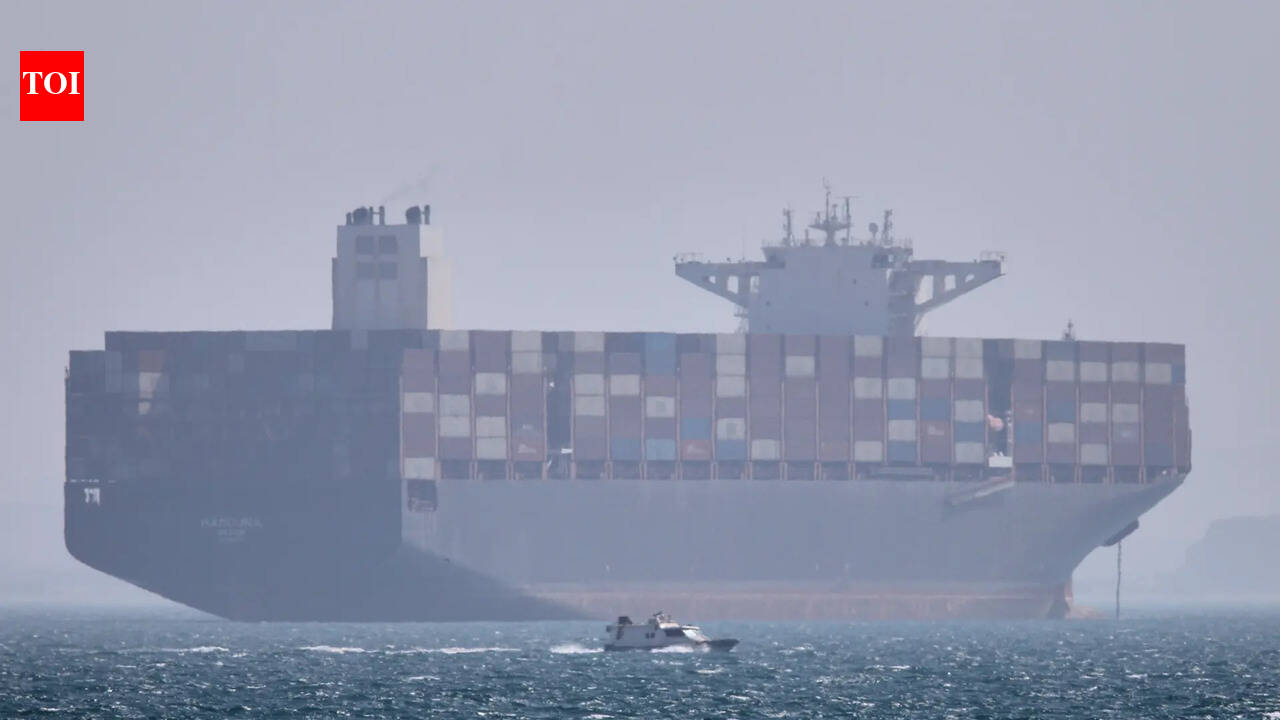
Shipping data from LSEG showed the Aframax tanker Gamsunoro, carrying around 80,000 tonnes of fuel oil loaded in Iraq, exited the Strait of Hormuz late on Wednesday and headed towards Fujairah. Exports could increase further as more cargoes gradually move through Hormuz over the coming weeks, Reuters reported. However, analysts said tighter regional fuel balances, limited scope for higher refinery runs and peak summer demand could restrict a sharper recovery.

Iraq and Saudi Arabia have been key in diversifying export routes. Iraq exported fuel oil from Syria's Baniyas port for the first time in March, with volumes reaching a record more than 600,000 tonnes in June. "Iraq remains focused on diversifying export routes, with the Syrian corridor serving as a strategic alternative to Hormuz," Jain said. Before the conflict, Iraq exported most of its fuel oil through Khor al-Zubair. The alternative route has seen millions of barrels transported by road across Syria to Baniyas before being re-exported.

Saudi Arabia is also expected to export more than 300,000 tonnes of fuel oil from its Red Sea port of Yanbu in June, the highest level in five months after diverting shipments away from the Gulf route. Oman's fuel oil exports are projected to reach nearly 300,000 tonnes, the highest level in more than two years.

Price Impact and Demand Outlook

The development has also sent high-sulphur fuel oil (HSFO) prices lower at major trading hubs such as Singapore, according to the report. HSFO is widely used as marine fuel, electricity generation fuel and refinery feedstock.

Despite the interim US sanctions waiver, traders told Reuters they expect Iranian fuel oil exports to remain capped as banking and payment-related hurdles continue to impede trade. The sources said financial settlement issues are likely to remain a key constraint even as diplomatic efforts continue to ease tensions in the region.

Shipping data showed Syria, Saudi Arabia and Oman emerged as the largest Middle Eastern HSFO exporters in June. Before the conflict, the leading exporters were Iraq, Kuwait, Iran and the United Arab Emirates.

The outlook hinges on the durability of the US-Iran peace deal and the pace of Hormuz traffic normalisation. With peak summer demand for power generation and limited refinery capacity, the recovery in exports is expected to be gradual.


Sources: Business-Today

Keep Reading

Recommended Stories

Oil Supply Recovery May Take Months Despite Strait of Hormuz Reopening, Experts Say Commodities

Oil Supply Recovery May Take Months Despite Strait of Hormuz Reopening, Experts Say

Despite the agreement to reopen the Strait of Hormuz, oil supply recovery is expected to take months due to stranded tankers, shut-in production, and security concerns. Experts from S&P Global, Wood Mackenzie, and Columbia University highlight slow logistics, insurance hurdles, and the need for a durable ceasefire before producers restart operations.

June 15, 2026
Strait of Hormuz Reopens: Middle East Oil Exports to Climb to 4-Month High Commodities

Strait of Hormuz Reopens: Middle East Oil Exports to Climb to 4-Month High

The Strait of Hormuz is recovering after over 100 days of disruption, with Middle Eastern fuel oil exports expected to reach 2.4 million metric tons in June, a 20% increase from May. Exports are driven by supply diversions from Iraq and Saudi Arabia, though volumes remain below pre-war averages. Uncertainty over the US-Iran peace deal durability keeps shipping cautious.

June 25, 2026
Ports and Pipelines Reshape Middle East Trade Beyond the Strait of Hormuz Logistics

Ports and Pipelines Reshape Middle East Trade Beyond the Strait of Hormuz

DP World has confirmed plans for two new terminals on the UAE's east coast, outside the Strait of Hormuz, adding a combined 2.5 million TEU of container capacity and 5.3 million tonnes of general cargo. Rival Gulftainer is expanding Khorfakkan terminal. Meanwhile, pipeline projects accelerate to bypass Hormuz for crude oil, though refined products remain exposed.

July 23, 2026
Strait of Hormuz reopening in phases from July, LPG to get priority for India imports Logistics

Strait of Hormuz reopening in phases from July, LPG to get priority for India imports

The Strait of Hormuz is expected to reopen in phases starting July, with priority given to LPG shipments given India's heavy dependence. Kpler's Sumit Ritolia outlines a three-phase recovery, with LPG imports likely to lead due to severe disruption, followed by LNG and crude. Crude imports remained resilient through bypass routes and alternative supplies.

June 19, 2026