iGEN
Visit IGEN World Explore IGEN Expo
EXPLORE UPGRADE PLANS
BREAKING
FCC Bans Foreign-Made Robot Vacuums Over National Security Risks Apple Warns of 'Significant' Supply Constraints for Mac, iPhone, and iPad India seeks to cut reliance on imported strawberry varieties with indigenous breeding Burnham Confirms Pragmatic North Sea Oil Stance in Trump Call, Fueling Drilling Debate Leaked Memo Links Iranian Hackers to Minnesota Water Utility Cyberattacks Everyone Is Freaking Out About OpenAI and Anthropic’s Race for Dominance Govt Debunks AI-Generated Fake Video of Finance Minister Nirmala Sitharaman Promoting Investment Scheme UPS Unveils Digital Tools to Attract Small Businesses Amid Strategic Shift from Low-Margin E-Commerce CPKC sets second-quarter revenue record as operating income rises 10% Your Freight Funnel Is Leaking Margin: What Your Reports Won't Show FCC Bans Foreign-Made Robot Vacuums Over National Security Risks Apple Warns of 'Significant' Supply Constraints for Mac, iPhone, and iPad India seeks to cut reliance on imported strawberry varieties with indigenous breeding Burnham Confirms Pragmatic North Sea Oil Stance in Trump Call, Fueling Drilling Debate Leaked Memo Links Iranian Hackers to Minnesota Water Utility Cyberattacks Everyone Is Freaking Out About OpenAI and Anthropic’s Race for Dominance Govt Debunks AI-Generated Fake Video of Finance Minister Nirmala Sitharaman Promoting Investment Scheme UPS Unveils Digital Tools to Attract Small Businesses Amid Strategic Shift from Low-Margin E-Commerce CPKC sets second-quarter revenue record as operating income rises 10% Your Freight Funnel Is Leaking Margin: What Your Reports Won't Show
Home ›› Commodities ›› Commodities Energy ›› ONGC Board Approves 1.75 Million Tonne Strategic Oil Reserve at Mangaluru

ONGC Board Approves 1.75 Million Tonne Strategic Oil Reserve at Mangaluru

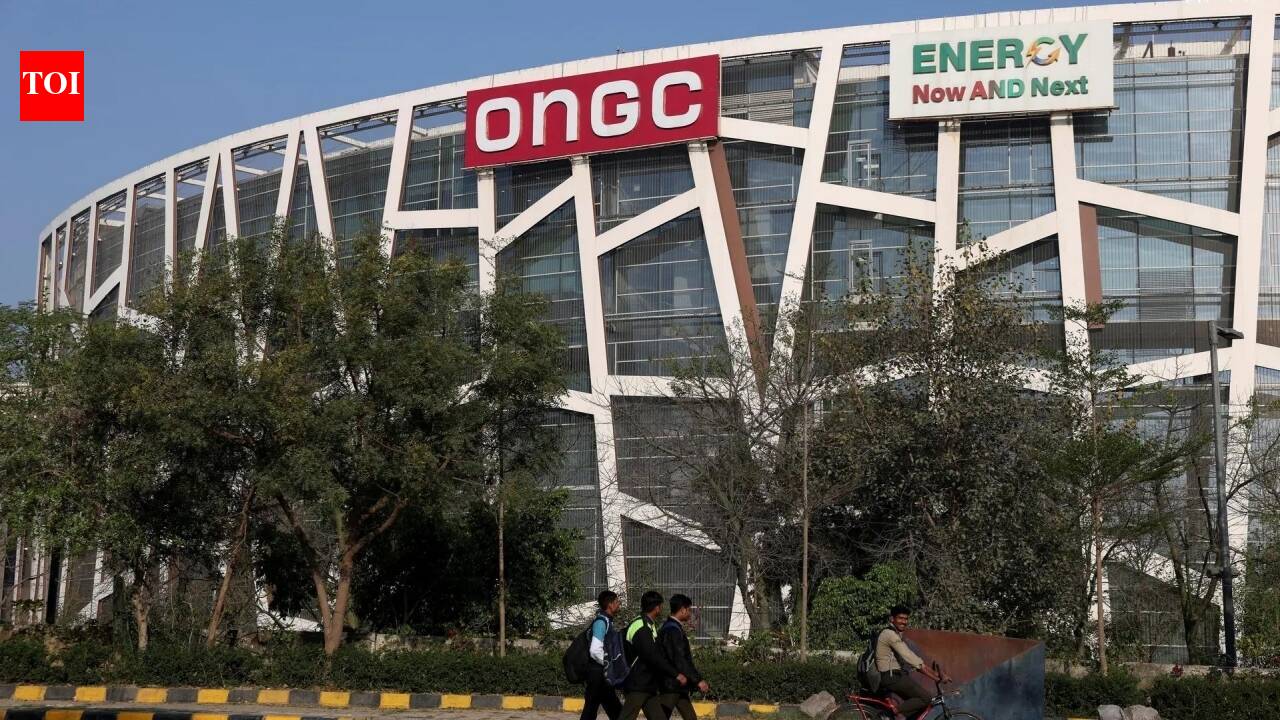
State-run Oil and Natural Gas Corporation (ONGC) announced its board has granted in-principle approval for a 1.75 million tonne strategic petroleum reserve at Mangaluru, Karnataka. The facility, developed as Phase-I expansion of the existing reserve, aims to bolster India's energy security amid geopolitical uncertainty. India, the world's third-largest crude importer, relies on imports for over 88% of its crude requirements.

iG
iGEN Editorial
July 10, 2026
ONGC Board Approves 1.75 Million Tonne Strategic Oil Reserve at Mangaluru

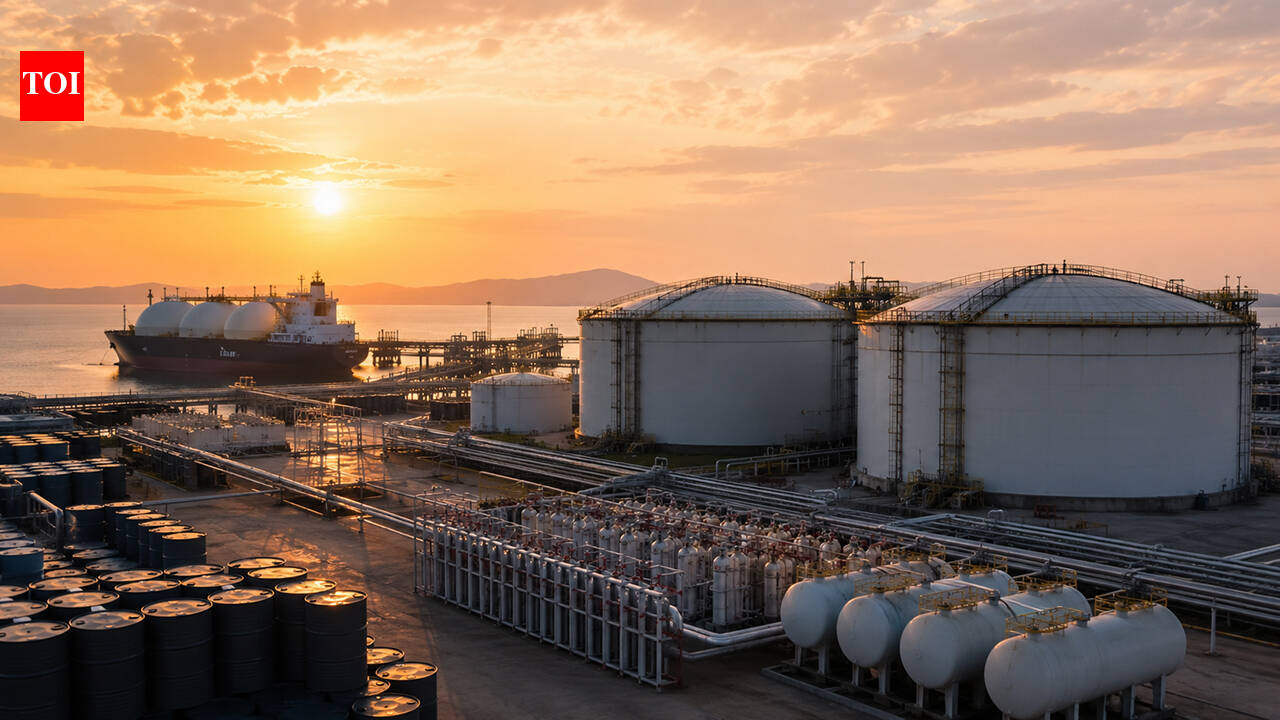
State-run Oil and Natural Gas Corporation (ONGC) on Friday announced its board has granted in-principle approval for the development of a 1.75 million tonne strategic petroleum reserve at Mangaluru, according to a stock exchange filing. The facility, along with related infrastructure, will be developed as the Phase-I expansion of the existing strategic petroleum reserve at Mangaluru in Karnataka. This move enhances India's emergency crude oil storage capacity as the world's third-largest importer and consumer of crude oil, which relies on imports for more than 88 per cent of its crude oil requirements.

India's Strategic Petroleum Reserve Programme

India introduced its strategic petroleum reserve (SPR) programme to bolster the country's energy security by maintaining emergency crude oil stockpiles that can be utilised during supply disruptions or periods of sharp increases in global crude prices, as reported by ONGC. These reserves are maintained in addition to the operational crude inventories held by oil marketing companies and refiners.

Under the first phase of the programme, underground rock caverns with a total storage capacity of about 5.33 million tonnes were constructed at three locations:

Location State Storage Capacity (First Phase)
Visakhapatnam Andhra Pradesh Part of 5.33 Mt
Mangaluru Karnataka Part of 5.33 Mt
Padur Karnataka Part of 5.33 Mt

These facilities are managed by Indian Strategic Petroleum Reserves Ltd (ISPRL) , a special purpose vehicle operating under the Oil Industry Development Board.

Second Phase Expansion

The government has also cleared the second phase of the SPR programme, which includes expanding the storage facility at Padur and building a new strategic petroleum reserve at Chandikhol in Odisha. The objective is to substantially increase India's emergency crude oil storage capacity.

ONGC's New Approval Details

ONGC did not disclose the project's cost or implementation schedule in its filing. However, it noted the board has authorised the company to hold discussions with the central government on expanding the commercial use of the facility, subject to necessary regulatory approvals. The development comes against the backdrop of ongoing geopolitical uncertainty and fluctuations in global oil markets, particularly the ongoing Middle East situation, as highlighted by ONGC. Strategic petroleum reserves remain a key element of the country's energy security framework.

Implications for Commodity Markets

For commodity traders and analysts, the expansion of India's strategic reserves signals a long-term increase in crude oil storage capacity, which can influence market dynamics. Strategic stockpiles act as a buffer against supply disruptions, potentially reducing price volatility during geopolitical crises. India's growing import dependence—over 88%—means any major supply disruption could have significant price implications for global crude markets. The addition of 1.75 million tonnes (approximately 12.8 million barrels) will give India additional emergency buffer, though the timeline remains unclear until ONGC provides further details on costs and implementation. Traders will watch for updates on regulatory approvals and commercial use discussions, which could affect crude inventories and flows in the region.


Sources: Business-Today
Keep Reading

Recommended Stories

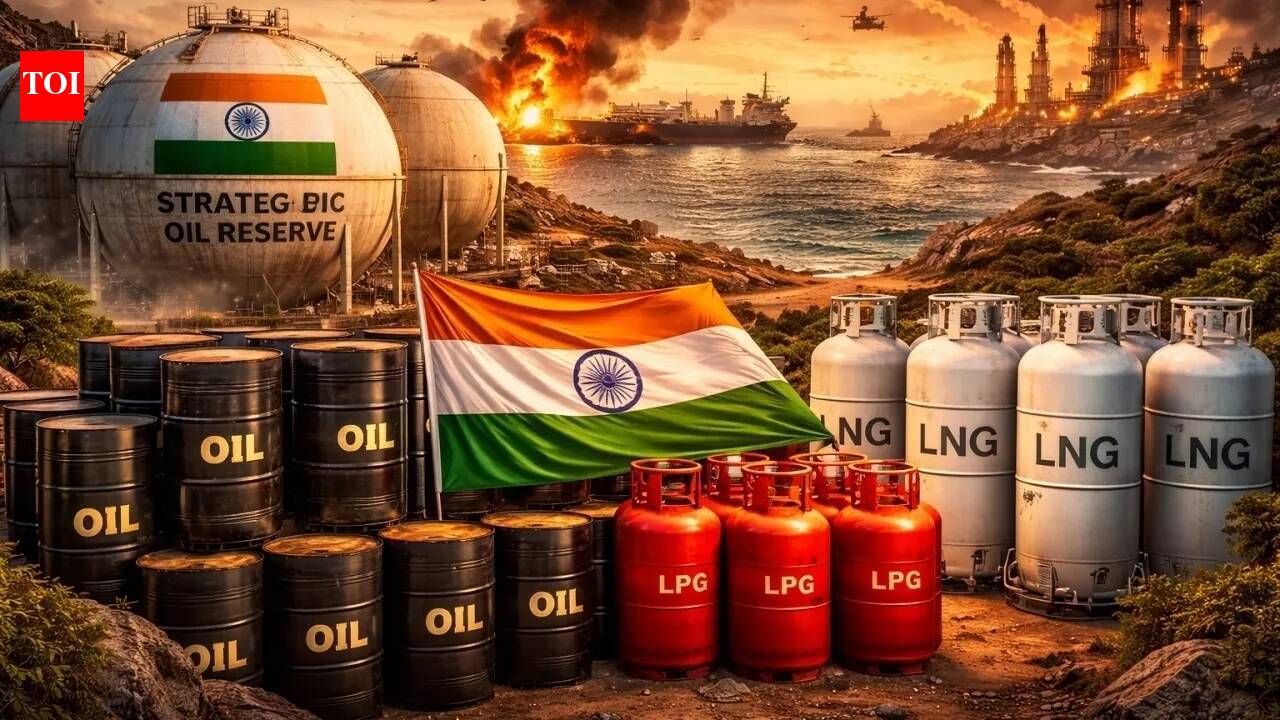
India's Strategic Reserves Strategy: Crude Oil, LPG, and LNG for Energy Security Commodities

India's Strategic Reserves Strategy: Crude Oil, LPG, and LNG for Energy Security

India is strengthening its energy security with strategic reserves for crude oil, LPG, and LNG. Current SPR capacity is 5.33 MMT (9.5 days of consumption), with plans to expand to 11.88 MMT. Experts advocate a three-tier policy: large physical crude reserves, distributed LPG reserves, and virtual LNG reserves to cover 90 days of consumption.

July 25, 2026
India's strategic gas storage: LNG buffer mandate for terminals in the works - what it means Commodities

India's strategic gas storage: LNG buffer mandate for terminals in the works - what it means

India is planning to require LNG terminal operators to create additional storage capacity as a strategic gas reserve, allowing cost recovery through higher regasification charges. The move follows supply disruptions through the Strait of Hormuz during the Iran conflict. Separately, India is diversifying LPG imports, with the US emerging as the largest supplier, and oil marketing companies are asked to prepare a roadmap for a 30-day strategic LPG reserve.

July 7, 2026
India launches first strategic natural gas storage amid West Asia supply disruptions Commodities

India launches first strategic natural gas storage amid West Asia supply disruptions

India has started developing its first strategic natural gas storage system, prompted by supply disruptions from the West Asia conflict. Public sector oil companies are evaluating underground salt caverns and cryogenic LNG tanks. A Petroleum Ministry committee is assessing storage options for LNG and LPG, while a CEEW study notes India imports nearly half its gas requirement without any dedicated strategic storage.

July 5, 2026
India and Japan to Sign LNG Security Pact Amid Global Supply Disruptions Commodities

India and Japan to Sign LNG Security Pact Amid Global Supply Disruptions

India and Japan are set to sign an agreement to strengthen LNG supply security during the annual summit between PM Modi and PM Takaichi. The pact includes a joint task force for stockpiling and information-sharing, amid ongoing global supply chain disruptions.

July 1, 2026