iGEN
Visit IGEN World Explore IGEN Expo
EXPLORE UPGRADE PLANS
BREAKING
Werner Enterprises Posts Highest Revenue Per Truck Growth in One-Way Segment in a Decade CMA CGM and Stonepeak Launch United Ports LLC in $2.4 Billion Terminal Joint Venture UPS shift away from Amazon shows bigger payoff Lanesurf: 62% of Loads Get Vetted Carrier Offers Before Brokers Arrive India-China Border Trade Via Lipulekh Resumes Aug 1; China Permits 20 Traders Geopolitics Drives CMA CGM Q2 Profit Surge of 42% as Volumes and Rates Climb Benchmark Diesel Price Rises Third Week as Futures Plunge; Spread Hits Record Indian Government Limits Sugar Dealers to 400 Tonnes Stock Until November to Curb Hoarding Tenants signing longer leases for larger warehouses as 3PLs lock in capacity US stock market flat as S&P 500 and Dow barely move, Nasdaq slides over 1% on chip rout Werner Enterprises Posts Highest Revenue Per Truck Growth in One-Way Segment in a Decade CMA CGM and Stonepeak Launch United Ports LLC in $2.4 Billion Terminal Joint Venture UPS shift away from Amazon shows bigger payoff Lanesurf: 62% of Loads Get Vetted Carrier Offers Before Brokers Arrive India-China Border Trade Via Lipulekh Resumes Aug 1; China Permits 20 Traders Geopolitics Drives CMA CGM Q2 Profit Surge of 42% as Volumes and Rates Climb Benchmark Diesel Price Rises Third Week as Futures Plunge; Spread Hits Record Indian Government Limits Sugar Dealers to 400 Tonnes Stock Until November to Curb Hoarding Tenants signing longer leases for larger warehouses as 3PLs lock in capacity US stock market flat as S&P 500 and Dow barely move, Nasdaq slides over 1% on chip rout
Home ›› Commodities ›› Commodities Energy ›› OPEC+ agrees fresh August oil output hike as Strait of Hormuz reopens

OPEC+ agrees fresh August oil output hike as Strait of Hormuz reopens

OPEC+ has agreed to increase oil production quotas by 188,000 barrels per day (bpd) from August, continuing the unwinding of earlier cuts. The decision comes as the Strait of Hormuz reopens following a US-Israeli war on Iran that had disrupted exports. Oil prices have retreated to pre-war levels, with Brent crude settling near $72 per barrel.

iG
iGEN Editorial
July 5, 2026
OPEC+ agrees fresh August oil output hike as Strait of Hormuz reopens

OPEC+ has decided to raise its oil production targets once again, agreeing to increase output quotas by 188,000 barrels per day (bpd) from August as the group continues to unwind earlier production cuts, according to Business Today. The decision, taken during an online meeting, comes after similar quota increases for June and July.

August Output Hike and Unwinding of Cuts

Between April and July, the seven core members of OPEC+ — Saudi Arabia, Russia, Iraq, Kuwait, Algeria, Kazakhstan, and Oman — have raised their production quotas by nearly 800,000 bpd, Business Today reported. These producers have been rolling back the 1.65 million bpd production cut agreed in 2023.

Metric Value Source
OPEC output in February 42.77 million bpd Business Today
OPEC output in May 33.13 million bpd Business Today
August quota increase 188,000 bpd Business Today
Cumulative increase (Apr-Jul) ~800,000 bpd Business Today
2023 cut to be unwound 1.65 million bpd Business Today
Remaining cut after August ~379,000 bpd Reuters calculations

Supply Disruptions and Production Data

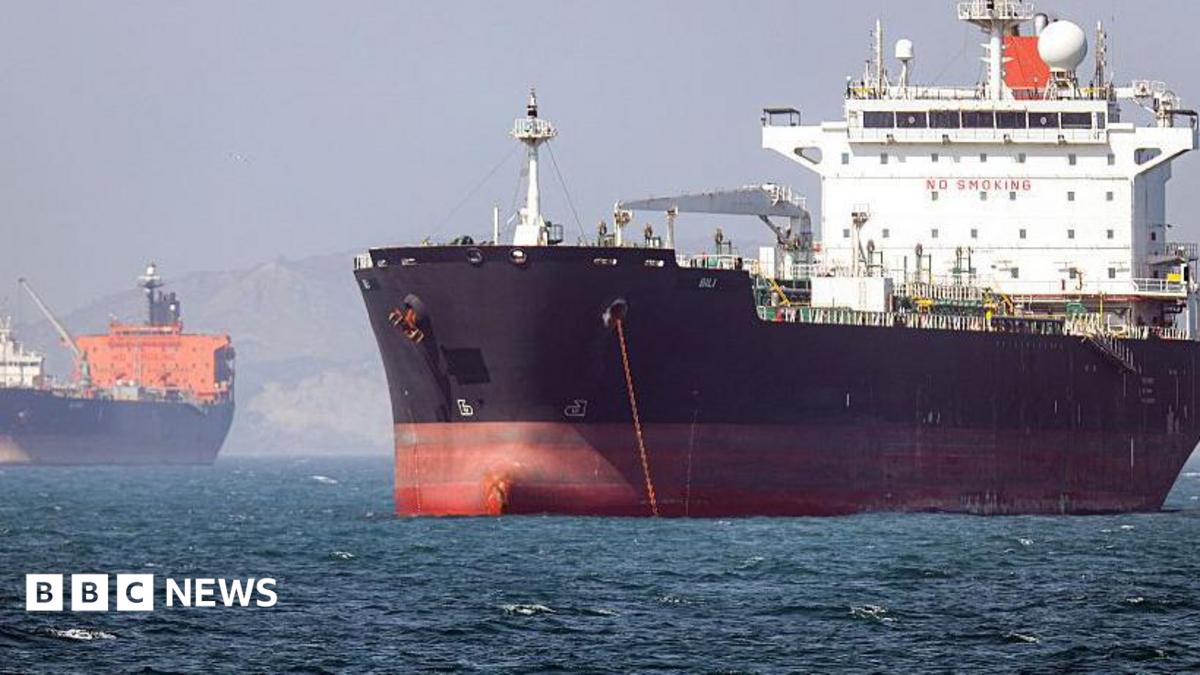
Even so, the additional supply has largely remained unrealised because the US-Israeli war on Iran disrupted exports after tanker traffic through the Strait of Hormuz was halted, according to Business Today. The closure affected several major OPEC+ producers, including Saudi Arabia, Kuwait, and Iraq. Production data from OPEC showed the group's output fell to 33.13 million bpd in May from 42.77 million bpd in February. Although production started improving in June following US efforts to help the UAE and other OPEC+ countries export more oil, output has yet to return to levels seen before the conflict.

Price Retreat and Demand Factors

While supply disruptions persist, oil prices have already retreated to pre-war levels. The decline has been driven by weaker crude imports from China, higher exports from producers outside the Middle East, and a record coordinated release of strategic oil reserves by the International Energy Agency (IEA), Business Today reported. Brent crude settled near $72 a barrel on Friday, a sharp fall from recent highs of more than $120 a barrel. Prices have returned to the levels seen before the US and Israel launched their attack on Iran on February 28.

"The group of seven kept unwinding their production cuts as widely expected," UBS analyst Giovanni Staunovo told Reuters, as quoted by Business Today. "The near-term focus will remain on how many tankers will manage to cross the Strait of Hormuz and how quickly demand and Chinese crude imports recover."

Geopolitical Developments and OPEC+ Dynamics

Market sentiment has also been supported by a memorandum of understanding between Washington and Tehran aimed at ending the war, reinforcing expectations that oil supplies will eventually normalise, according to Business Today. Apart from production policy, OPEC+ is also navigating changes within the alliance. The United Arab Emirates has exited the group, while Iraq has indicated that it is seeking higher production quotas. The UAE withdrew from OPEC+ in late April, saying it wanted production to reflect its capacity without being constrained by the group's output limits. According to Reuters calculations, after accounting for the UAE's exit from May 1, the seven remaining core producers will still have around 379,000 bpd of the original cut left to restore from August.

Outlook and Key Dates

If they agree to another increase of roughly the same size at their next meeting on August 2, the 2023 production cut will have been fully reversed by September, Business Today reported. The near-term focus for traders remains on tanker crossings through the Strait of Hormuz and the pace of demand recovery, particularly from China.


Sources: Business-Today
Keep Reading

Recommended Stories

US fuel prices rise: Gasoline returns to $4 per gallon after Middle East flare-up Commodities

US fuel prices rise: Gasoline returns to $4 per gallon after Middle East flare-up

A report from Times of India indicates that US gasoline prices have risen to $4 per gallon after a Middle East flare-up. The headline highlights the renewed price level, though no further details on specific contracts or volumes were provided.

July 20, 2026
Global oil output to return to pre-Iran war level by year's end, US EIA says Commodities

Global oil output to return to pre-Iran war level by year's end, US EIA says

The U.S. Energy Information Administration (EIA) reported that global oil output and trade flows should rebound fully by the end of 2026 from disruptions caused by the Iran war. The agency cut its Brent crude price forecast to $74/barrel for Q3, down from $85 in June and a previous estimate of $101. The easing of the Strait of Hormuz blockade after a preliminary U.S.-Iran deal has enabled increased vessel movement, and the EIA expects most shut-in Middle East production to return by Q1 2027, lowering fuel prices.

July 8, 2026
Oil Supply Recovery May Take Months Despite Strait of Hormuz Reopening, Experts Say Commodities

Oil Supply Recovery May Take Months Despite Strait of Hormuz Reopening, Experts Say

Despite the agreement to reopen the Strait of Hormuz, oil supply recovery is expected to take months due to stranded tankers, shut-in production, and security concerns. Experts from S&P Global, Wood Mackenzie, and Columbia University highlight slow logistics, insurance hurdles, and the need for a durable ceasefire before producers restart operations.

June 15, 2026
Crude Oil Falls as US and Iran Halt Weekend Strikes, Easing Geopolitical Risk Premium Commodities

Crude Oil Falls as US and Iran Halt Weekend Strikes, Easing Geopolitical Risk Premium

Crude oil futures fell sharply on Monday morning after the US and Iran halted strikes against each other over the weekend, with Brent dropping 4.23% and WTI falling 4.90%. The de-escalation marked the first tangible signal of reduced hostilities after 13 days of strikes, though analysts caution that recovery hinges on lasting peace and safe navigation through the Strait of Hormuz. Meanwhile, Houthi attacks on Saudi Arabia's energy facilities continued, adding another layer of supply risk.

July 27, 2026