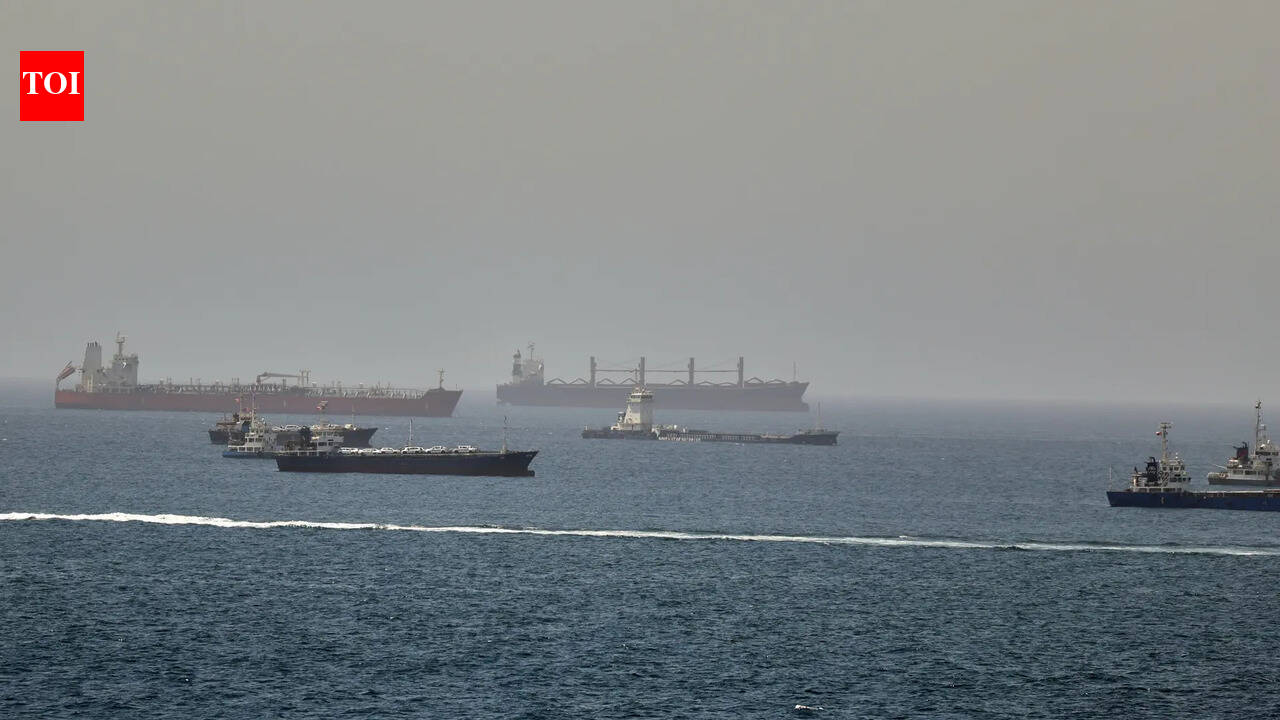
Strait of Hormuz shipping activity is picking up, with Qatari crude entering the Asian market for the first time since the war began, according to traders familiar with the matter. A shipment of Qatar's Al-Shaheen grade was sold this week to Taiwan's Formosa Petrochemical Corp for August to September delivery, handled by trading house Mercuria Energy Group Ltd, Bloomberg reported. Additionally, some of the same grade, along with Qatar's Marine and Land varieties, were sold to an Indian refiner last week, traders said.
Restart of Qatari crude exports
These deals mark the first observed transactions of Qatari crude to Asian refiners since the Iran war began, according to traders. State-owned QatarEnergy has also issued its first crude oil sell tender since the conflict, offering cargoes for July and August that can be collected within the Persian Gulf or via ship-to-ship transfer at locations just outside the Strait of Hormuz, traders noted.
Tanker activity has increased near Qatar's Ras Laffan facility. The Greek-owned supertanker Kiku was seen loading 2 million barrels of Qatari crude from the Al-Shaheen floating storage and offloading terminal, according to ship-tracking data. The Kiku entered the Persian Gulf on June 19 after last broadcasting from the Gulf of Oman on June 13, making it one of the first large crude carriers to enter the Gulf since the US–Iran deal.
Impact on Middle Eastern fuel oil and refinery operations
QatarEnergy also offered a cargo of gasoline for export next month from its Mesaieed refinery, indicating a broader ramp-up in processing activity, according to trade sources. Middle Eastern fuel oil exports are expected to rebound to a four-month high in June, with Iraq and Saudi Arabia diverting supply to other ports as shipments through the Strait of Hormuz increase, trade sources and shipping data show.
Data from Kpler and LSEG show regional exports are expected to reach about 2.4 million metric tons (508,000 barrels per day) this month, up more than 20% from May. However, this remains well below the monthly average of 5.5 million to 6.0 million tons recorded before the war.
| Metric | Current (June) | Pre-war average |
|---|---|---|
| Monthly crude/fuel oil exports via Hormuz | 2.4 million mt (508,000 bpd) | 5.5-6.0 million mt |
| Week-over-week change | +20% | - |
Oil futures and shipping security
Oil futures have fallen sharply this month, though prices edged higher on Thursday after an attack on a cargo ship in the Strait of Hormuz raised fresh concerns over safe passage through the waterway, according to market reports. Late on Wednesday, Aframax tanker Gamsunoro, carrying about 80,000 tons of fuel oil loaded in Iraq, exited the Strait of Hormuz and headed for Fujairah, shipping data on LSEG showed.
According to Palash Jain, Middle East oil consultant at FGE NexantECA, fuel oil flows through the Strait of Hormuz are expected to increase over the next 60 days, though the recovery is unlikely to be substantial. He added that uncertainty over the outcome of negotiations and the durability of the peace deal is likely to keep shippers cautious.
LNG exports and broader implications
Qatar has continued to move liquefied natural gas tankers in and out of the Persian Gulf through the strait. It is also planning to rapidly increase production of LNG once the waterway fully reopens, aiming to restore most export capacity within two months, according to people familiar with the matter.
For commodity traders and Asian refiners, the return of Qatari crude provides a welcome diversification of supply, though volumes remain constrained. The increased activity through the strait has already supported a rebound in crude exports from the United Arab Emirates, as well as sales from Iraq and Kuwait, according to Kpler and LSEG data. However, with pre-war export levels still far off and security risks lingering, the recovery is expected to be gradual.
Sources: