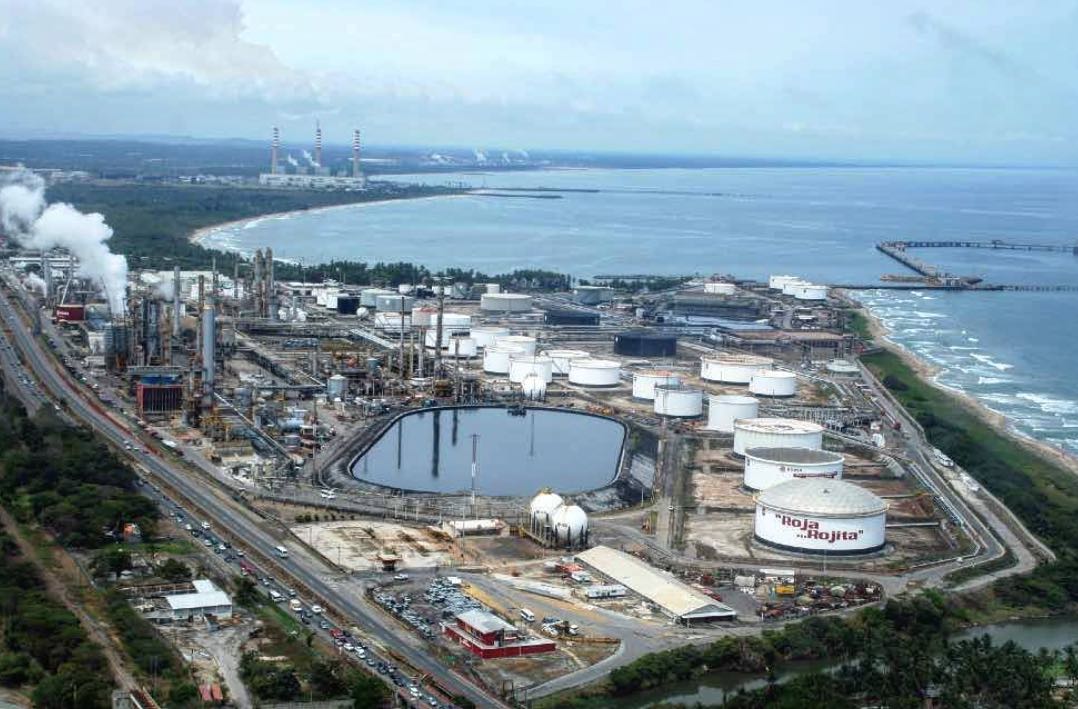
Venezuela's seaborne crude exports have more than doubled this year, providing a fresh source of tanker demand and increasing South America's importance in global oil trade flows, according to Splash247 citing Signal Ocean data.
Export Surge and Key Numbers
Signal Ocean data shows Venezuelan crude liftings have risen for six consecutive months, climbing from around 620,000 barrels per day in January to approximately 1.5 million bpd by mid-June. Volumes briefly exceeded 2 million bpd in early May. Year-to-date exports are running at roughly twice the average levels recorded in 2024 and 2025.
| Metric | Value |
|---|---|
| January 2026 exports | ~620,000 bpd |
| Mid-June 2026 exports | ~1.5 million bpd |
| Peak (early May 2026) | >2 million bpd |
| YTD vs 2024/2025 average | ~2x higher |
Supply-Side Drivers
The recovery follows the reinstatement of several US licences covering Venezuela-related energy activities earlier this year, according to Splash247. Momentum accelerated after the US Treasury broadened authorisations for oil, gas and mineral extraction activities on June 10, encouraging greater international participation in the country's energy sector. Trading houses Vitol and Trafigura are marketing Venezuelan cargoes, while oilfield services giant SLB has signed a long-term agreement with state oil company PDVSA aimed at supporting production growth and modernisation efforts.
Demand and Destinations
Signal's data shows the United States has emerged as the dominant destination for Venezuelan crude, accounting for 44.7% of exports this year. India ranks second with a 17.8% share, followed by the Bahamas at 10.5%.
| Destination | Share of Exports |
|---|---|
| United States | 44.7% |
| India | 17.8% |
| Bahamas | 10.5% |
The trade is currently dominated by aframaxes, which account for 38% of liftings, ahead of VLCCs at 32% and suezmaxes at 24%. Crude oil represents 92% of cargoes exported.
Tanker Market Implications
For tanker markets, the recovery offers support across multiple segments, Splash247 reported. Rising exports to US Gulf Coast refiners should underpin regional aframax employment, while growing long-haul shipments to India and Asia create additional tonne-mile demand for suezmaxes and VLCCs. Signal noted that VLCC tonne-mile demand remains well above historical norms despite easing slightly in recent weeks.
The development comes as refiners seek greater supply diversification amid continued uncertainty over the full normalisation of oil flows through the Strait of Hormuz. Alongside production growth in Brazil and Guyana, Venezuela's recovery is helping South America emerge as an increasingly important source of crude supply outside the Middle East.
Sources: