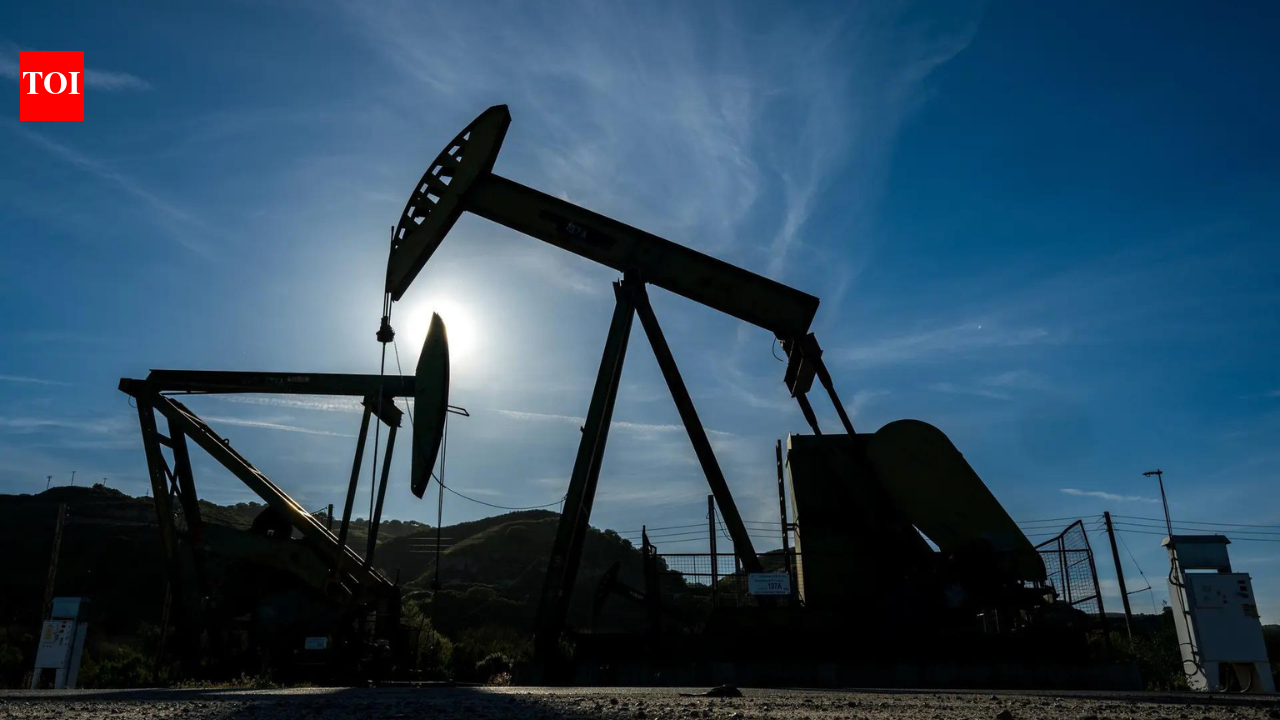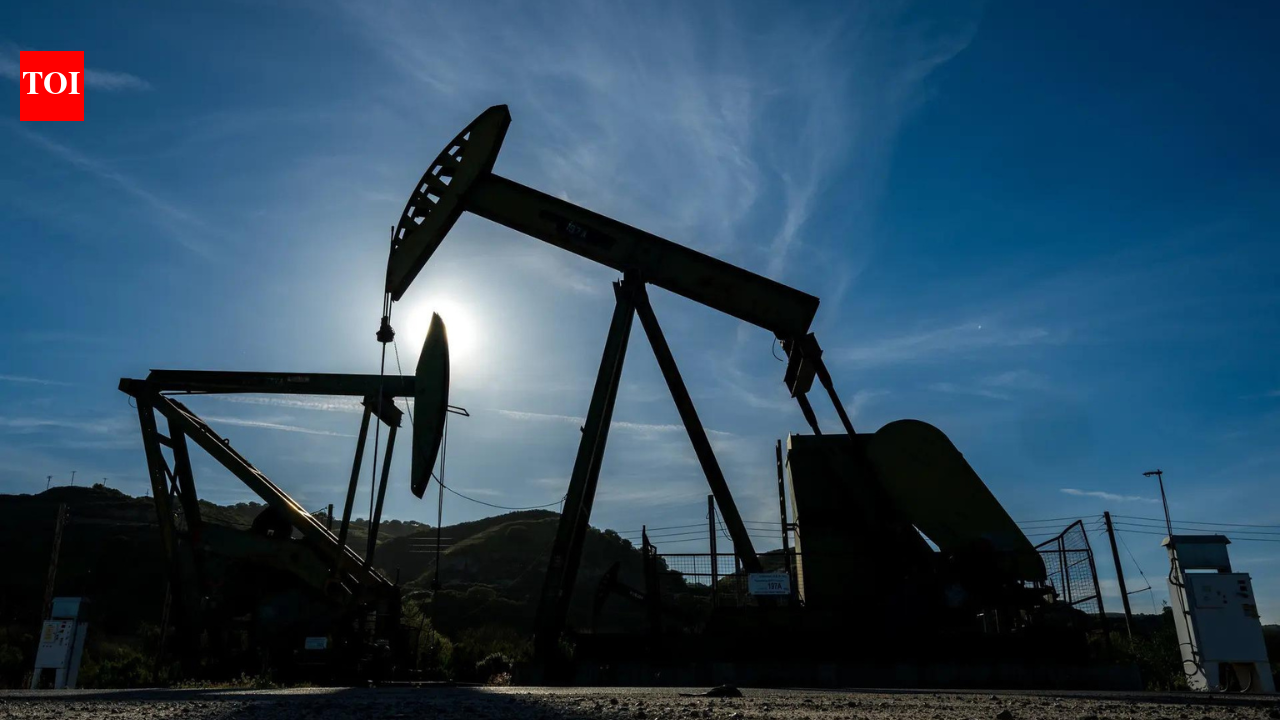
The United States has climbed to the top spot in global oil export rankings, overtaking crude heavyweights Saudi Arabia and Russia, according to a detailed report by Business Today. US exports of crude and fuel reached around 10.5 million barrels per day (bpd) in May, marking the third straight month the country held the position of the world's largest oil exporter. By comparison, Russian exports stood at 7 million bpd in May, per Reuters calculations, while Saudi Arabia exported 5.9 million bpd, according to Vortexa data.
From embargo to export power
Just a year earlier, the rankings looked very different: Saudi Arabia exported around 8.1 million bpd, ahead of the United States at 6.6 million bpd, while Russia's exports were estimated at roughly 5.8 million bpd. The shift accelerated after supplies through the Strait of Hormuz, a key Middle Eastern oil passage, were disrupted for more than 100 days. The conflict began on February 28, when the US and Israel launched joint strikes on Iran. Iran then tightened its grip on the crucial passage, putting global energy supplies under pressure. Separately, Russian shipments have been hit by Ukrainian drone attacks and US sanctions imposed after Moscow's invasion of Ukraine.
Supply-side revolution
The US transformation gathered pace after 2010 as output from shale formations surged. The country first became the world's largest natural gas producer before emerging as the top oil producer. A turning point came in 2015 when the United States lifted a four-decade ban on crude exports that had been introduced after the Arab oil embargo. Ten years later, US output has become a major force in global markets.
'Washington has a new tool they didn't realize they had before the Iran war — energy exports,' said Michelle Brouhard, head of policy at ship tracking firm Kpler.
Since 2000, US crude and liquids output has nearly tripled, reaching around 22 million bpd. Over the same period, Saudi Arabia's output has largely remained within a range of 10 million to 12 million bpd, depending on OPEC quotas. Russia's oil and liquids production rose from 6 million bpd in 2000 to 10 million bpd by 2010 and expanded by another 2 million bpd during the following decade, but since 2020 has slipped to below 10 million bpd.
| Country | May 2026 exports (bpd) | Year earlier (bpd) | 2000 output (bpd) | Recent output (bpd) |
|---|---|---|---|---|
| US | 10.5 million | 6.6 million | ~7-8 million | ~22 million |
| Russia | 7.0 million | ~5.8 million | 6 million | <10 million |
| Saudi Arabia | 5.9 million | 8.1 million | 10-12 million | 10-12 million |
Demand and trade flows shift
Global oil consumption increased from 87 million bpd in 2010 to 104 million bpd last year, with much of the additional demand being met by the US oil boom. European buyers have increasingly turned to the United States since the Ukraine war began in 2022. Europe accounted for around 47% of US oil exports so far this year, compared with 37% in 2021. Asian nations are also sourcing more crude from the US. The region represented about 46% of US oil exports in May, up from roughly 37% last year, signalling a broader shift in global trade flows.
Brouhard noted that the United States now holds significant leverage because of the increasing dependence of some countries on American energy supplies. 'You can see now the leverage the United States has over some of these countries because they are dependent on the US for their oil or gas,' Brouhard told Reuters, adding that the US was the largest provider of crude to Europe and the second-largest provider of distillates.
OPEC challenged
OPEC's position was further tested in May when the United Arab Emirates, one of its biggest members, withdrew from the group after nearly 60 years. Igor Sechin, chief executive of Rosneft and a close ally of President Vladimir Putin, said this month that US energy companies had been the primary beneficiaries of the closure of the Strait of Hormuz.
The structure of the US oil industry also sets it apart from Saudi Arabia and Russia. While governments in those countries directly influence production and export targets, American output is largely determined by private companies responding to market conditions. This dynamic, combined with sustained production growth and shifting geopolitical alliances, means the United States is likely to remain a dominant force in global oil markets for the foreseeable future.
Sources: