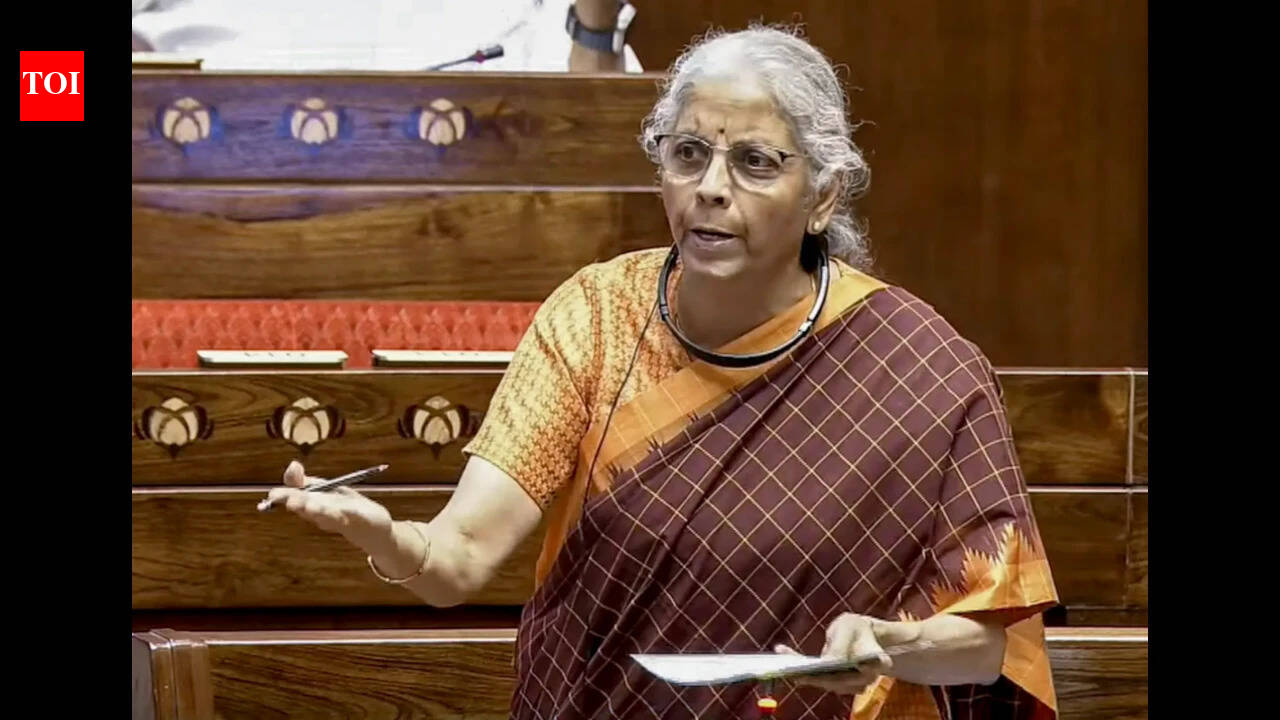
The Payments Council of India, an industry body representing non-banking payment industry players, released a set of FAQs on Friday reiterating Finance Minister Nirmala Sitharaman's assertion that consumers will not pay any fee to use UPI, according to Business Today. The clarification follows the government's move to lift the legal restriction on banks and platforms from imposing a charge or merchant discount rate (MDR) on UPI transactions, a step that generated debate and fears that consumers would be burdened with fees.
FAQ confirms no consumer charges
According to the Payments Council of India's FAQ, UPI has been free for consumers since its launch in 2016. Every Indian can continue making instant digital payments without paying any transaction charges. Small merchants and kirana stores are not required to pay any MDR to accept UPI payments, the FAQ states. UPI was designed to make digital payments accessible for even the smallest businesses across India.
UPI has always been free for consumers since its launch in 2016.
The key clarifications from the FAQ are:
- Consumers — no transaction charges apply to UPI payments.
- Small merchants / kirana stores — no MDR is required to accept UPI.
- Large merchants — merchant service charges, where applicable, are commercial arrangements between merchants and payment service providers.
- Ecosystem participants — banks and payment service providers currently bear the costs of operating UPI.
Why UPI charges became a talking point
The government's move to lift the legal restriction on banks and platforms from imposing MDR on UPI transactions sparked debate over whether consumers would start paying fees. Business Today reported that the Payments Council released its FAQ to reiterate the finance minister's position that consumers will not have to pay. The discussion comes as UPI has evolved from a new payment platform into the world's largest real-time payment system. As the ecosystem expands, discussions are taking place on how to sustainably support the infrastructure that enables billions of secure transactions every month, according to the FAQ.
Who built and continues to invest in UPI
For nearly 10 years, banks, payment companies, fintechs, NPCI and RBI have collectively invested in technology, cybersecurity, fraud prevention, innovation and customer support to build one of the safest and most reliable payment systems in the world, the Payments Council said. These investments continue every day to keep UPI secure, resilient and available 24×7. When asked who bears the cost of operating UPI, the FAQ answered that costs are currently borne by ecosystem participants, including banks and payment service providers, who continue to invest so consumers can enjoy a safe, secure and seamless payment experience.
Merchant service charges do not equal consumer fees
The FAQ explicitly separates merchant service charges from consumer payments. Merchant service charges, where applicable, are commercial arrangements between merchants and payment service providers, and they do not mean that consumers pay to use digital payments. Across the world, merchant service charges are a standard feature of digital payment ecosystems, the Payments Council noted, while consumers continue to enjoy convenient and secure digital payment experiences.
| Stakeholder | Charge status under UPI per Payments Council FAQ |
|---|---|
| Consumers | No transaction charges; UPI free since 2016 |
| Small merchants (kirana stores) | No MDR required to accept UPI |
| Large merchants | Merchant service charges, where applicable, are commercial arrangements |
| Banks and payment service providers | Bear current operating costs of the UPI ecosystem |
What the FAQ means for merchants and platforms
For small merchants and kirana stores in India, the FAQ confirms there is no charge to accept UPI payments. For larger merchants, any service charges would be governed by commercial arrangements with payment service providers. The FAQ does not specify any MDR rates for larger merchants, noting only that charges, where applicable, are commercial agreements. Marketplaces and e-commerce platforms that route payments through UPI should review their merchant agreements to confirm where service charges apply, since the legal restriction on imposing MDR has been lifted and the FAQ does not detail any new fee structures.
Sustaining the world's largest real-time payment system
As transaction volumes continue to grow, sustained investment in security, resilience, innovation, fraud prevention and infrastructure will remain essential, according to the Payments Council. The FAQ was issued to clarify the distinction between the cost of sustaining the UPI ecosystem and consumer-borne fees at a time when UPI handles billions of monthly transactions. For cross-border e-commerce sellers and B2B platform operators, the immediate takeaway from the FAQ is that Indian small sellers continue to accept UPI free of MDR, while larger merchants remain subject to commercial service-charge agreements rather than any consumer-facing fee.
Sources: