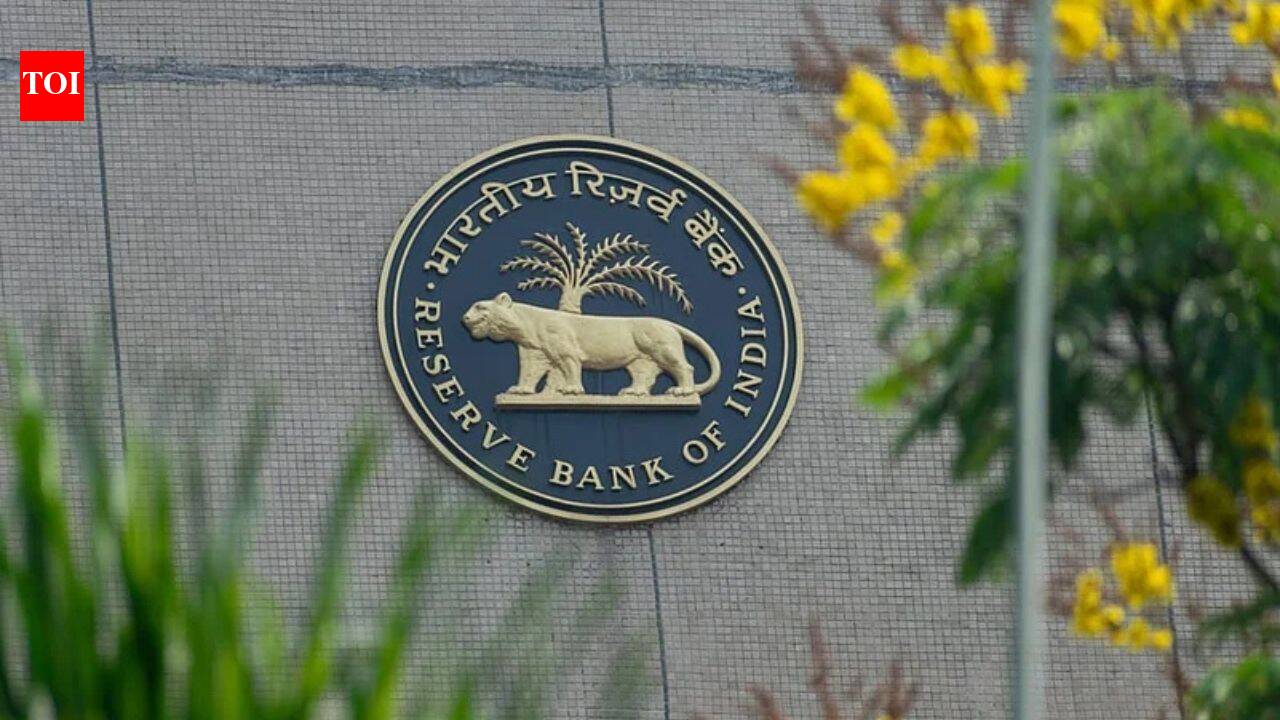
The Reserve Bank of India (RBI) convened the third annual conference of Internal Ombudsmen in Mumbai on 13 July 2026, bringing together representatives from banks, non-banking financial companies (NBFCs), credit information companies, and the RBI Ombudsman.
Deputy Governor’s Address
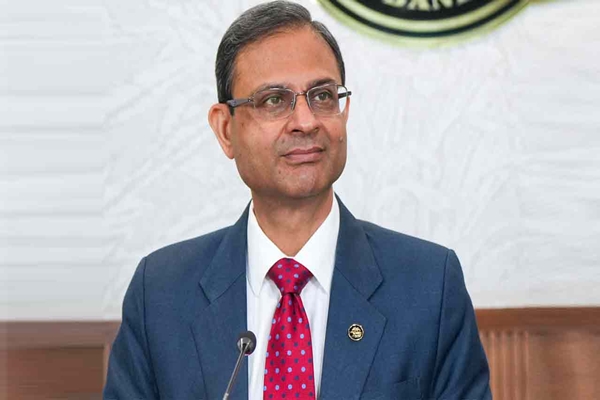
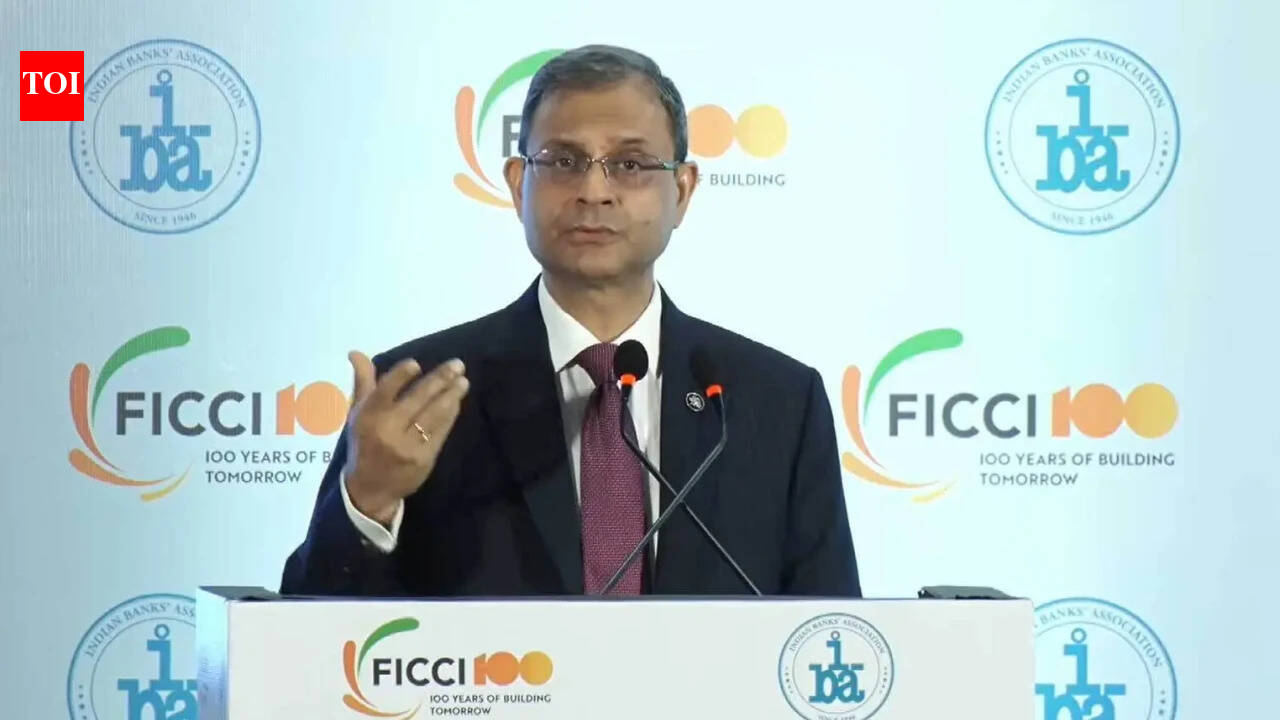
Addressing the gathering, RBI Deputy Governor Swaminathan J. urged boards and senior management to work towards building an effective internal ombudsman (IO) mechanism. He directed officers to use insights from the IO to strengthen customer service and grievance redress. Specifically, the Deputy Governor asked them to identify recurring issues, undertake root cause analysis, and help implement remedial measures, ensuring a meaningful, fair, and effective resolution of customer complaints.
Conference Discussions
During the conference, discussions were held over recent grievance redress developments, regulatory expectations, and insights from the RBI Ombudsman. The focus was on achieving faster and higher quality resolutions and on systemic improvements to prevent avoidable escalations. Participants shared experiences and best practices in handling customer complaints, with an emphasis on reducing turnaround times and enhancing transparency.
Implications for the Banking Sector
For finance executives and treasury professionals, the conference highlights the RBI’s increasing focus on operational risk management through robust grievance redress mechanisms. Effective IO frameworks can reduce litigation costs, improve customer trust, and lower regulatory scrutiny. The conference underscores that banks and NBFCs must invest in training, data analytics, and process automation to support root cause analysis and remedial actions. Credit information companies, which handle sensitive data, are also expected to strengthen their ombudsman processes.
Regulatory Expectations
The RBI’s emphasis on systemic improvements suggests that future inspections may assess the quality and timeliness of IO-driven resolutions. Financial institutions should ensure their IO mechanisms are independent, adequately resourced, and integrated into broader risk management systems. The third annual conference serves as a platform for aligning industry practices with regulatory expectations, reinforcing the central bank’s commitment to consumer protection and financial stability.
Sources: