The Bank of England held its base interest rate at 3.75% for the fourth consecutive meeting, according to the BBC. The decision, announced on 18 June 2026, reflects persistent uncertainty over high energy prices and their passthrough to inflation. The base rate remains the primary tool for controlling inflation and influences borrowing costs for businesses and consumers.
Rate Decision and Vote Split
The Monetary Policy Committee (MPC) voted 7-2 to hold rates, with two members — Chief Economist Huw Pill and external member Megan Greene — voting for an increase to 4%. Greene highlighted uncertainty over the impact of higher energy prices on households and businesses. At the previous meeting in April, the vote was 8-1, with only Pill dissenting. The shift suggests growing concern about inflation persistence among some policymakers.
Governor Andrew Bailey described the hold as "a sensible decision in the light of the news," noting that recent oil price declines were "encouraging" but that "high energy prices during the war had still left inflationary pressure in the pipeline." He added, "Whatever happens in the future, the higher energy prices of the past four months mean there's already some inflationary pressure in the pipeline."
Inflation and Energy Outlook
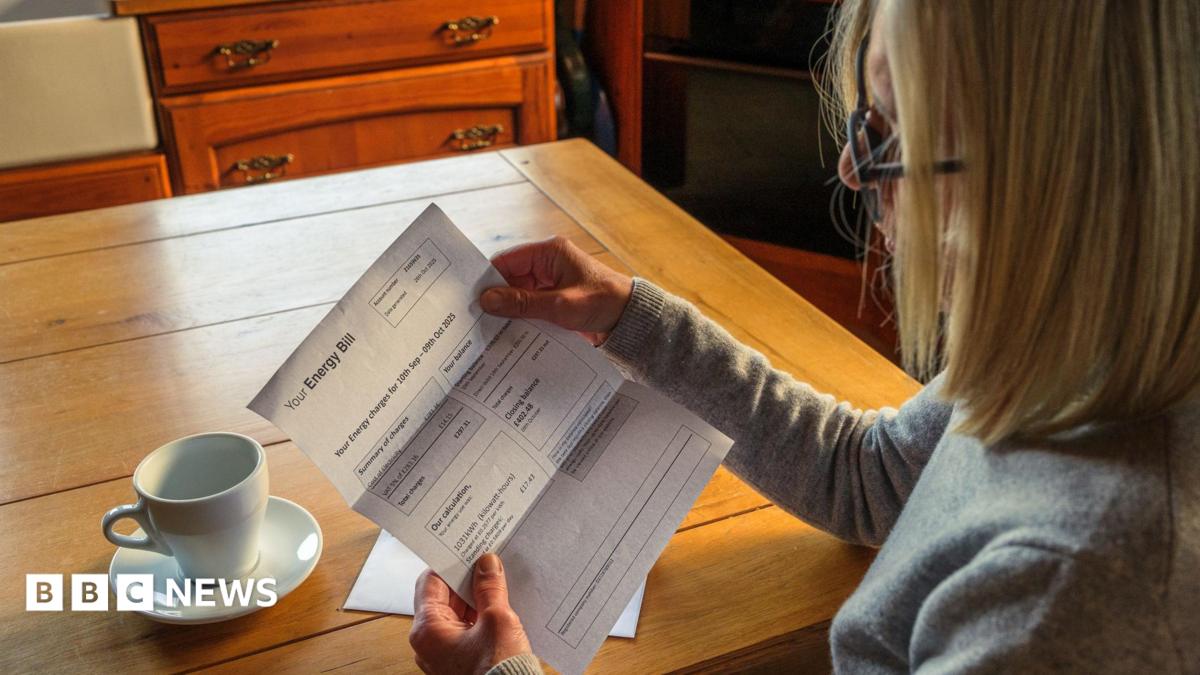
Official figures released on Wednesday showed UK inflation remained at 2.8% in May, according to the BBC. The MPC has lowered its inflation expectations since April, now projecting the rate will reach 3.25% in the final quarter of 2026 — below even its most benign scenario but still above the 2% target. A key driver is the delayed impact of higher wholesale energy costs on domestic gas and electricity prices. Regulator Ofgem's price cap is set to rise by 13% in July, affecting millions of households.
The MPC met just before the US-Iran peace deal was signed on 18 June. The deal could lead to the reopening of the Strait of Hormuz, a waterway that normally carries a fifth of the world's oil and gas supplies. Policymakers noted that oil prices had "continued to be volatile" and remained higher than before the conflict, but added that inflation expectations by year-end were now lower than they had estimated in April. Speaking after the decision, Bailey said he was "encouraged" by recent developments in the Middle East.
Trade and Business Implications
For finance executives and treasury professionals, the rate hold means trade finance cost of capital remains unchanged in the near term. However, the hawkish dissent from Greene and Pill signals a risk of rate increases if energy prices fuel sustained inflation. The MPC's forward guidance suggests policy will depend on the "scale and duration" of the energy price shock and its pass-through to prices and wages.
Businesses reliant on imported energy or commodities may face continued cost pressure. The Ofgem price cap increase will directly impact operating expenses for UK-based firms. On the positive side, the US-Iran peace deal could reduce oil price volatility and ease supply concerns, potentially lowering input costs for importers. The next MPC meeting at the end of July will provide a clearer picture of the deal's success and its impact on inflation expectations.
For CFOs and trade finance professionals, the current environment suggests locking in fixed-rate trade finance instruments where possible, while monitoring oil price movements and MPC voting patterns for signs of a future hike. The 7-2 split indicates a committee divided on the urgency of tightening, adding uncertainty to medium-term borrowing costs.
Sources: