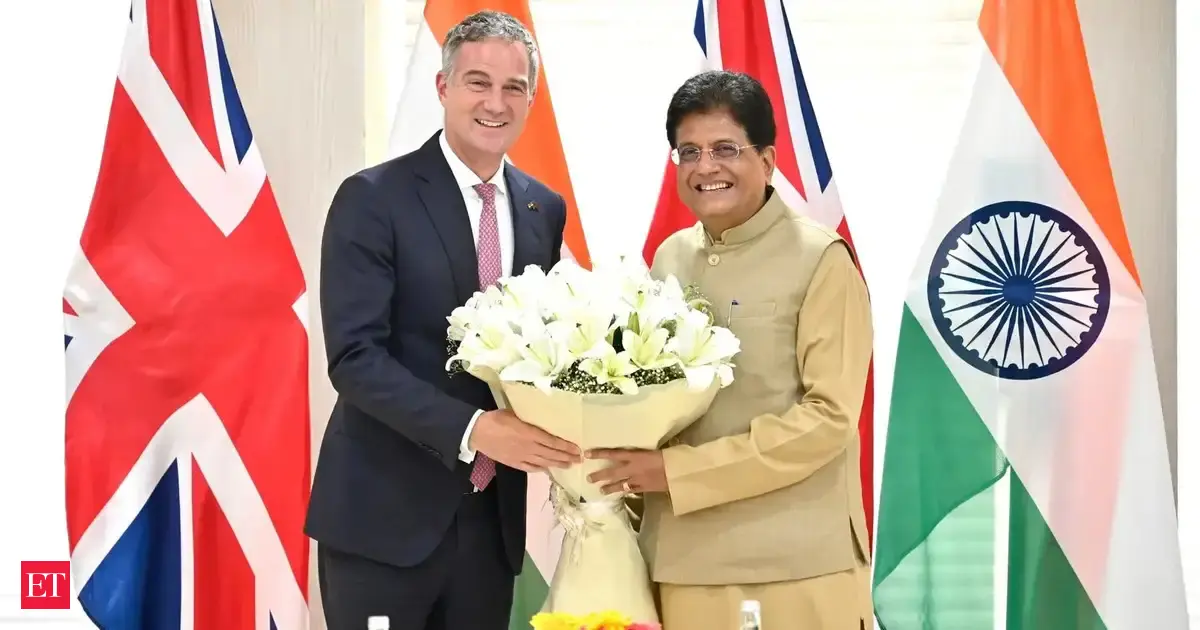
The India-UK Comprehensive Economic and Trade Agreement (CETA), signed on July 24, 2025, is encountering significant implementation challenges. The primary issue stems from the United Kingdom's recent introduction of steel safeguard measures and a carbon border adjustment mechanism (CBAM), which have raised concerns in New Delhi.
Steel Tariffs and Quotas
The UK has announced a reduction in tariff-free steel imports, limiting the overall quota to 60% effective from July 1, 2026. Imports exceeding this quota will incur a 50% tariff. This move is part of the UK's broader strategy to protect its domestic steel industry and align with environmental goals through the CBAM.
- Tariff-Free Quota: Reduced to 60%
- Excess Tariff: 50% on imports above quota
Impact on India-UK Trade
India has expressed concerns over these measures, which could potentially jeopardize the benefits secured under the CETA. In response, India is considering a "rebalancing" strategy, which may involve scaling back tariff concessions on Scotch whisky imports from the UK.
"Had great conversations on charting the next phase of India-UK economic engagement," said Piyush Goyal, highlighting the ongoing negotiations.
Potential Rebalancing Measures
The rebalancing could see India adjusting its import duties on Scotch whisky, a significant export product for the UK. This move aims to counterbalance the economic impact of the UK's steel tariffs on Indian exports.
Future of the Trade Agreement
The implementation of CETA remains uncertain as both nations navigate these trade policy challenges. The outcome will significantly impact bilateral trade volumes and the economic relationship between India and the UK.
| Measure | Current Status | Proposed Change |
|---|---|---|
| Steel Import Quota | 100% | Reduced to 60% |
| Excess Steel Tariff | 0% | Increased to 50% |
| Scotch Whisky Duty | Reduced | Potential Increase |
The ongoing discussions and potential adjustments underscore the complexities of modern trade agreements, where environmental policies and economic interests must be carefully balanced.