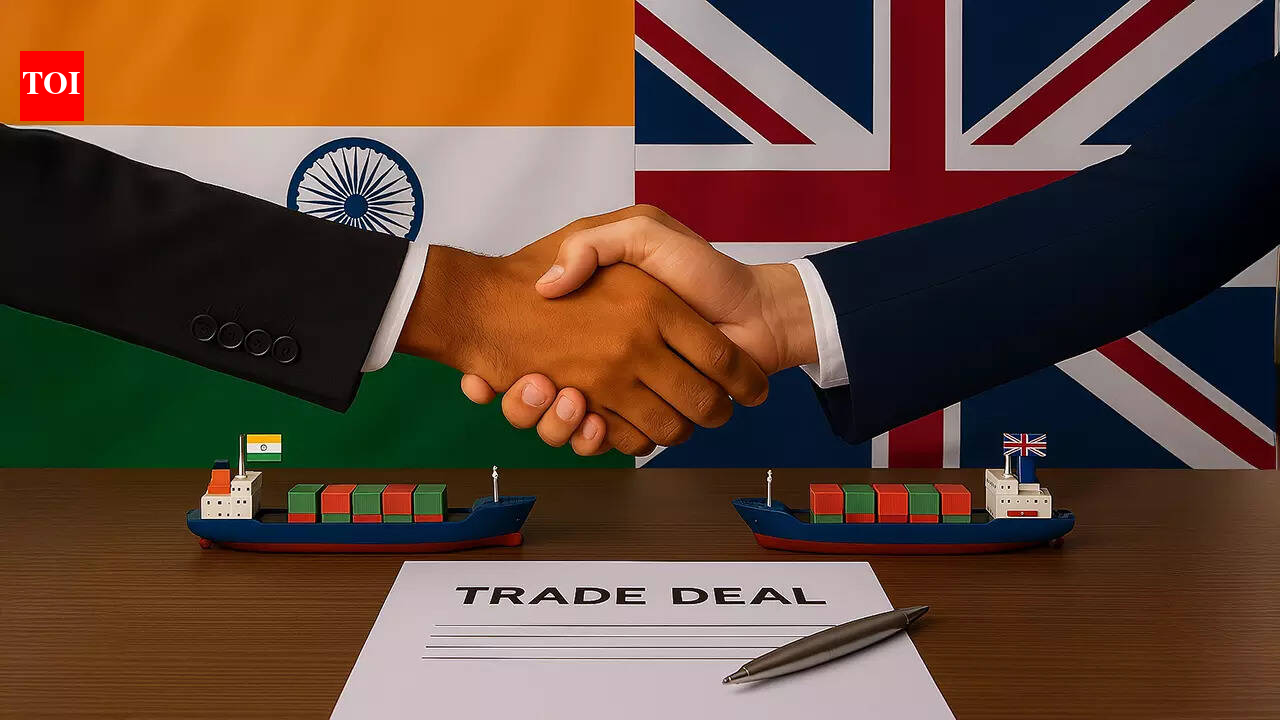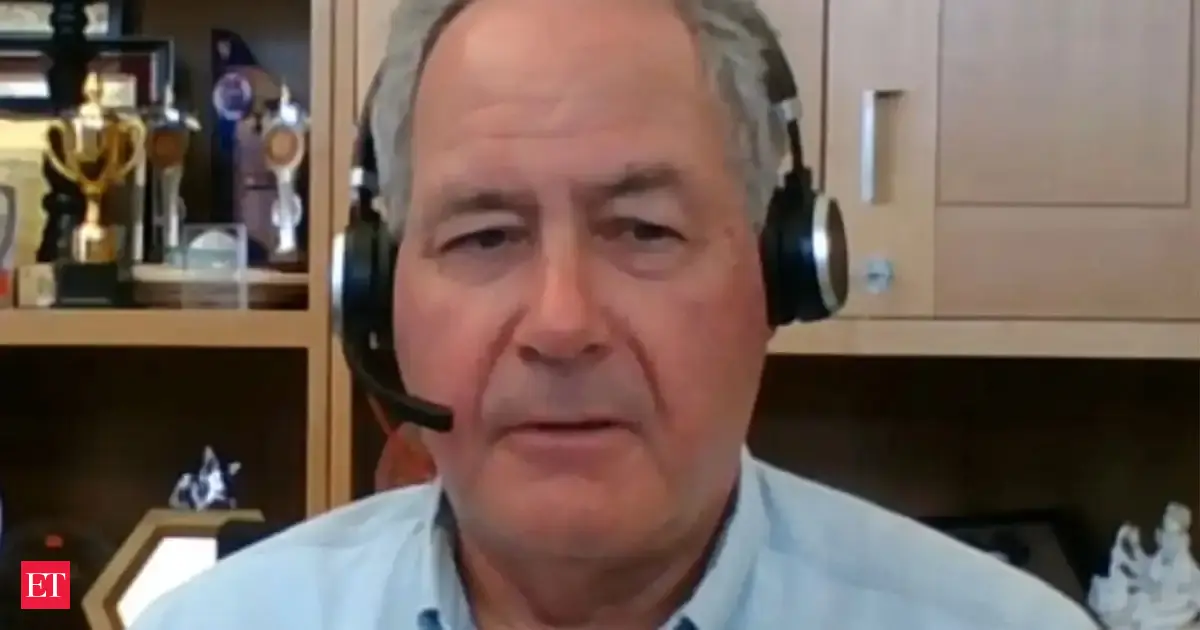
British MP Bob Blackman has urged the UK government to build on the recently signed India-UK Free Trade Agreement (FTA) and not go backwards by allowing future trade deals with the European Union to dilute its benefits. Speaking to ANI, the Conservative MP described the pact as a positive development despite its limitations, noting that it took about 15 rounds of talks to reach this stage.
FTA Negotiations and MP's Views
Blackman said the current government simply signed off on the agreement reached by the previous government without making any changes. He added that both sides acknowledged there was still work to be done to achieve a fair and equal balance, and to reduce tariffs with the eventual goal of eliminating them for friction-free trade.
Highlighting the UK's post-Brexit trade flexibility, Blackman stated, "One of the big advantages of being outside the European Union is that the United Kingdom can make these treaties and make these arrangements for trade. We would not have been allowed to do so as part of the European Union."
However, he expressed concern over possible future UK-EU trade arrangements, arguing they could "countermand all the advantages we're going to get from trading with India, one of the largest democratic countries in the world and indeed, you know, a rapidly expanding economy." He called any such move a "complete retrograde step."
Landmark CETA Agreement
Government sources described the India-UK Comprehensive Economic Trade Agreement (CETA) as "the most aspirational agreement so far," adding that it opens up a market worth over USD 500 billion for Indian businesses. Sources said, "India will have decent market access. More than USD 500 billion worth of market opens up for India. India-UK CETA opens up large economic opportunities on both sides."
Tariff Reductions and Market Access
The agreement is expected to provide an additional tariff advantage of 7-10% to Indian exporters, bringing India at par with several other countries that already enjoy zero-duty access to the UK market. Sources confirmed that over 99% of India's tariff lines and 99% of India's trade would come down to zero duty under the pact.
Government officials are working to put customs notifications and processes in place so that exporters can sell their consignments and avail concessions starting July 15, according to sources.
Bilateral Trade Figures
India currently enjoys a trade surplus with the UK in both merchandise and services. The table below summarises the latest trade data:
| Trade Flow | 2024 Services (USD bn) | 2025 Merchandise (USD bn) |
|---|---|---|
| India to UK | 21.6 | 13.7 |
| UK to India | 13.7 | 9.47 |
These figures underscore the existing trade imbalance in India's favour, which the CETA is expected to further enhance through tariff reductions and improved market access. For Indian exporters, the zero-duty access on the vast majority of tariff lines will be a significant competitive advantage in the UK market.
Sources: