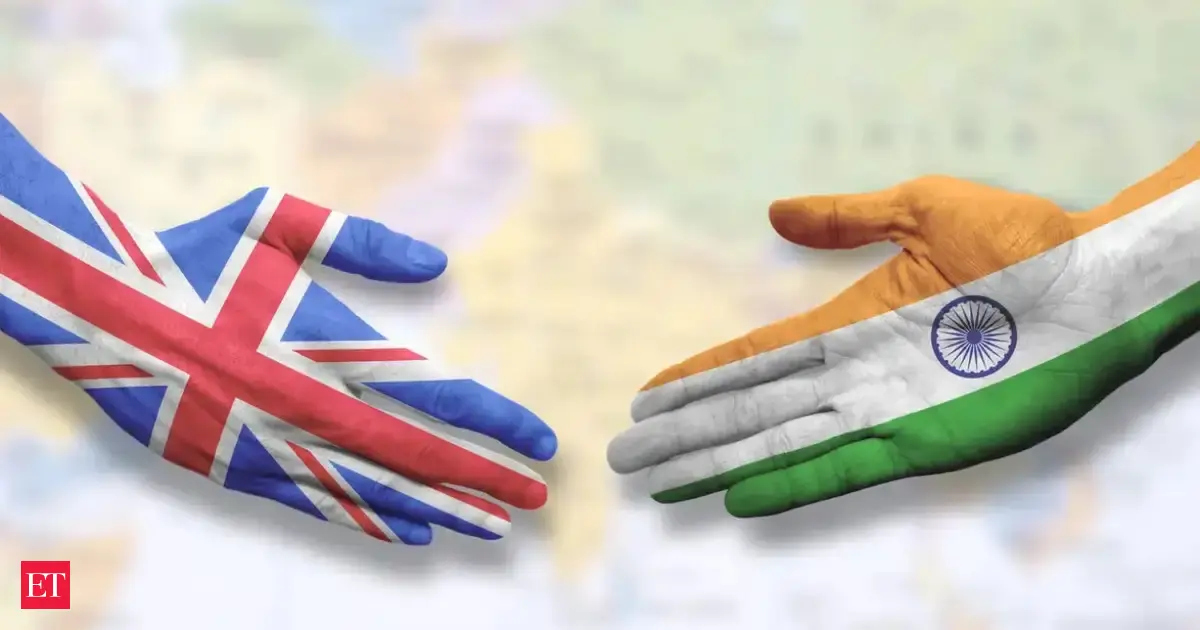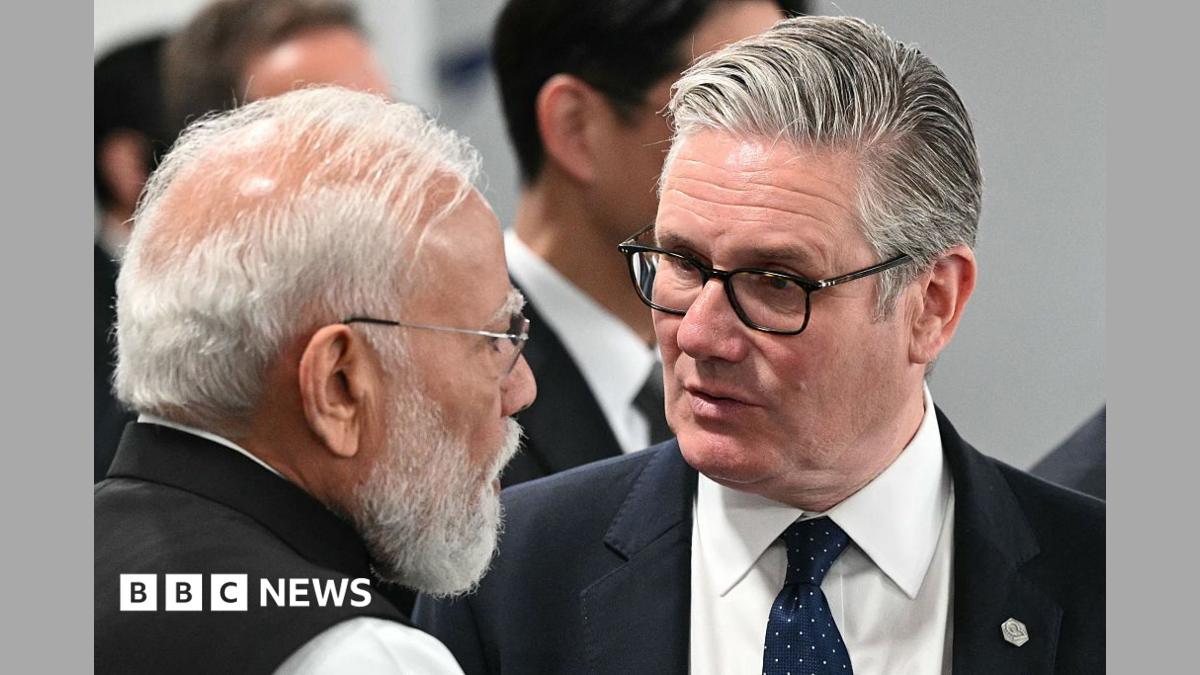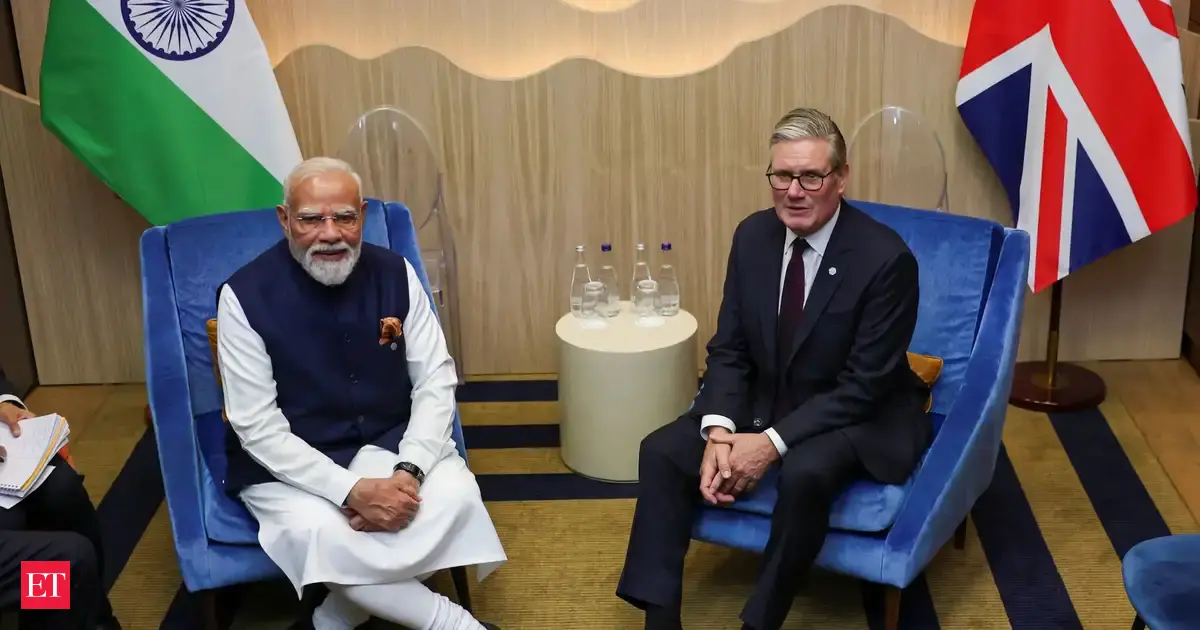
India and the UK are currently facing significant hurdles in the implementation of their Comprehensive Economic and Trade Agreement (CETA), signed on July 24, 2025. The primary issues are the UK's steel safeguard measures and the proposed Carbon Border Adjustment Mechanism (CBAM).
Steel Import Quotas
From July 1, 2026, the UK will implement new steel import quotas, reducing tariff-free volumes by 60%. Imports exceeding these quotas will incur a 50% tariff. This measure affects steel products that can be manufactured domestically in the UK.
- Current quotas will be reduced by 60%.
- A 50% tariff will apply to imports beyond the quota.
Carbon Border Adjustment Mechanism
The UK's proposed CBAM, set to begin in 2027, could significantly impact Indian exports, particularly in sectors like iron, steel, and aluminium. According to the Global Trade Research Initiative (GTRI), India's exports worth USD 775 million could be affected.
"The carbon tax could range between 14% and 24% of the import value," according to GTRI.
Impact on Bilateral Trade
India's exports of iron and steel to the UK were valued at USD 893.4 million in 2025-26. The trade pact also includes tariff concessions on British Scotch whisky, with import duties reduced from 150% to 75%, and eventually to 40%.
| Product | Current Tariff | New Tariff |
|---|---|---|
| UK Whisky | 150% | 75% (initially), 40% (in 10 years) |
Diplomatic Discussions
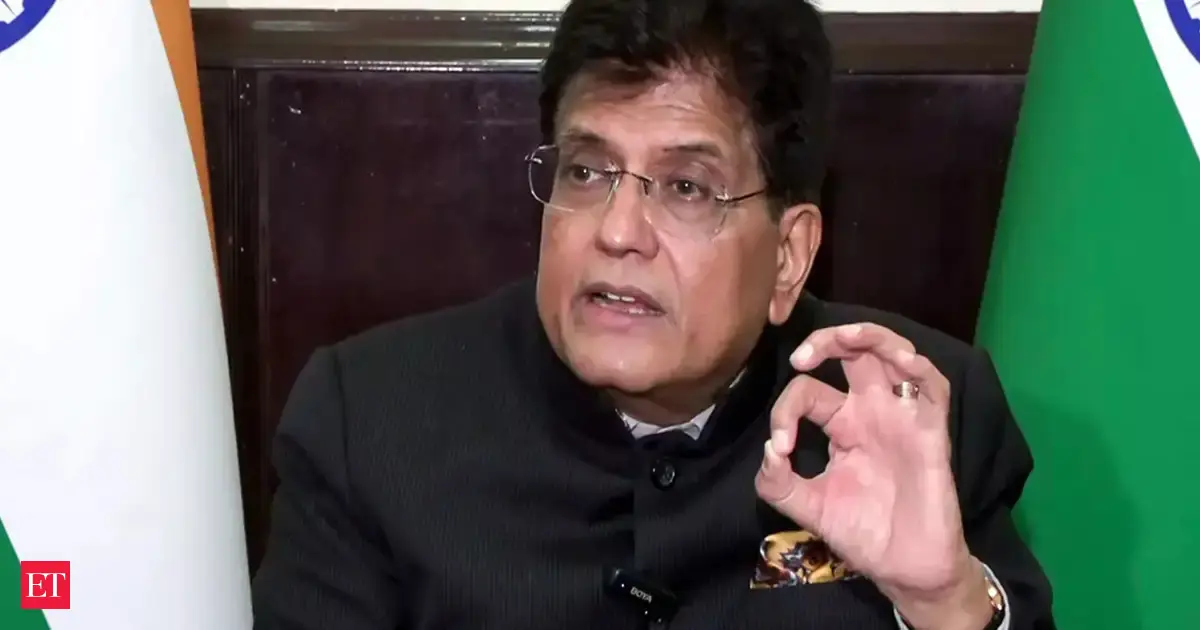
UK Minister of State for Trade Policy Chris Bryant is scheduled to discuss these issues with India's Commerce and Industry Minister Piyush Goyal on June 2, 2026. The outcome of these talks could determine the future of the trade agreement.
India has expressed concerns over the CBAM and may consider retaliatory measures if the UK proceeds with the carbon tax plan.
Conclusion
The resolution of these issues is crucial for the successful implementation of the India-UK trade pact. Both countries are keen to resolve these matters to enhance their bilateral trade relationship.