Crisil Ratings has significantly reduced its estimated hit to corporate India’s profitability from the Middle East crisis, projecting a 100-basis-point decline in operating margins in fiscal 2027 compared with an earlier forecast of a 200-basis-point drop under a prolonged conflict scenario, according to a report from the Times of India Business Desk.
Improved Outlook After US-Iran Truce
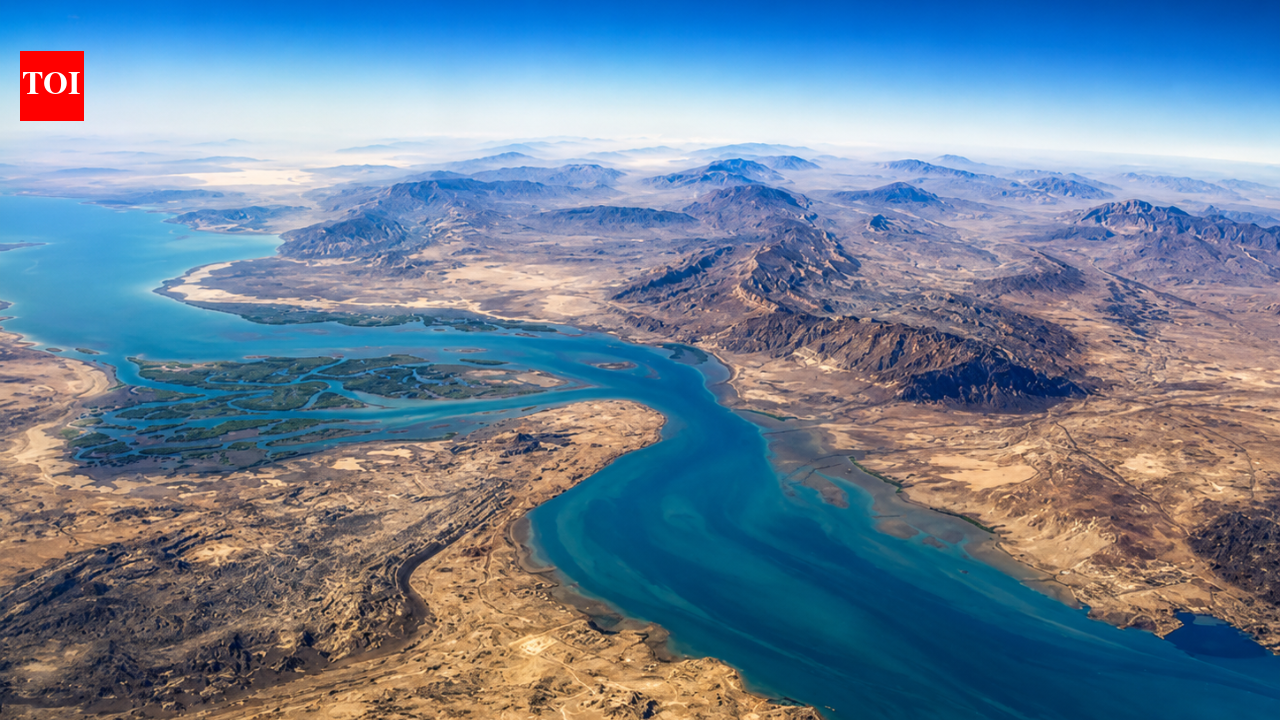
The improved outlook follows the reopening of the Strait of Hormuz and a subsequent fall in crude oil prices under a fragile US-Iran memorandum of understanding, Crisil said. The agency now assumes Brent crude averaging $80-85 per barrel during the current fiscal year, while disruptions to gas supplies continue for roughly four months. The Middle East conflict had threatened energy supplies and raised fears of slower economic growth, but the ceasefire has stabilised markets.
Fewer Sectors Under Threat
According to the agency’s latest assessment, only 10 of the 34 sectors it tracks are now expected to face a meaningful decline in profitability, down from 22 under its previous stress-case assumptions. Crisil also said none of the sectors are likely to experience a severe impact on revenues or profitability. The analysis covers sectors representing nearly 65% of rated corporate debt.
| Metric | Previous Estimate | Current Estimate |
|---|---|---|
| Operating margin decline (fiscal 2027) | 200 basis points | 100 basis points |
| Sectors facing profitability decline | 22 of 34 | 10 of 34 |
| Crude oil price assumption | Not stated | Brent $80-85/barrel |
Sectors Still Under Pressure
Sectors that remain vulnerable include airlines, ceramics, flexible packaging, specialty chemicals, polyester textiles, and diamond polishing, Crisil said. These industries continue to face pressure from higher input costs, supply-chain challenges, and limited pricing power. The agency assigned a moderately negative credit outlook to six sectors: airlines, ceramics, polyester textiles, specialty chemicals, flexible packaging, and diamond polishing, citing weaker profitability, higher working capital needs, and moderate balance-sheet strength.
Energy Relief and Policy Support
Easing energy prices are expected to provide relief across much of the corporate sector. Crisil said lower crude prices and a gradual improvement in gas availability should support profitability, while government infrastructure spending and steady domestic demand are likely to underpin revenue growth. Additional policy support includes the government’s Emergency Credit Line Guarantee Scheme (ECLGS) 5.0, which offers additional guaranteed credit of Rs 2.55 lakh crore, including Rs 5,000 crore earmarked for airlines, to help vulnerable MSMEs cope with increased working capital pressures.
The biggest gains from softer energy prices are likely to accrue to oil marketing companies and fertiliser manufacturers. Crisil estimated that state-run fuel retailers suffered net under-recoveries of Rs 40,000-45,000 crore between March and May. However, it expects these companies to return to operating profitability during the current fiscal year as crude prices moderate.
Risks Remain
"If the armistice sustains, two-thirds of the 34 sectors (we assessed) will see minimal disruption, with margin recovery in the second half mostly offsetting pressures of the first half," said Subodh Rai, managing director, Crisil Ratings. "But the risk of conflict escalation persists, so we foresee corporate India staying cautious and continuing to focus on supply-chain diversifications."
Despite the more favourable outlook, Crisil highlighted two major risks. The first is the temporary and non-binding nature of the US-Iran understanding, which leaves open the possibility of renewed hostilities. The second is the emergence of the ... (source continues beyond 4000 characters but article cuts off; Crisil also mentioned gas supply disruptions may take longer to ease).
Sources: