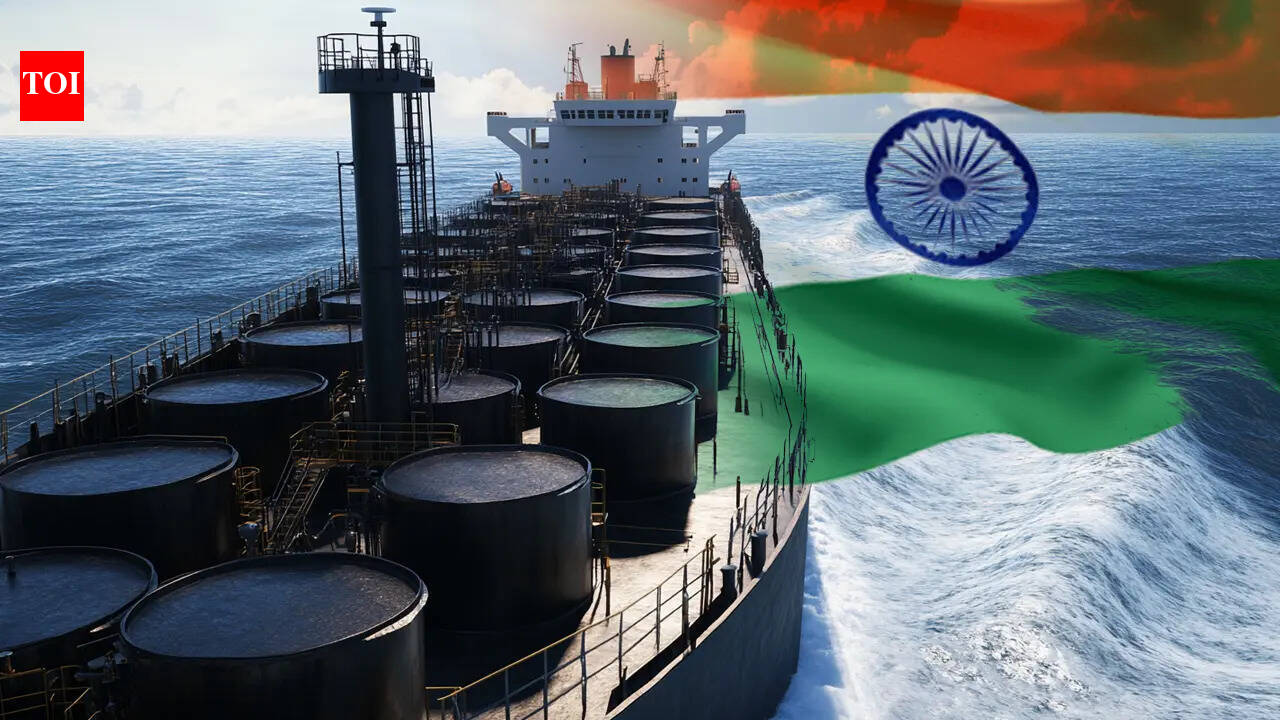
A US-Israel strike on Iran on February 28 and the resulting Iranian response paralysed sea traffic through the Strait of Hormuz, the world's most important energy chokepoint, according to a report by The Hindu Business Line. With a tenuous peace deal in place and a 60-day negotiation ongoing, the Strait has resumed free movement of tankers and ships. Throughout the crisis, India maintained uninterrupted household energy supplies through a layered, consumer-first response.
Crisis Response: Control Orders and Production Surge
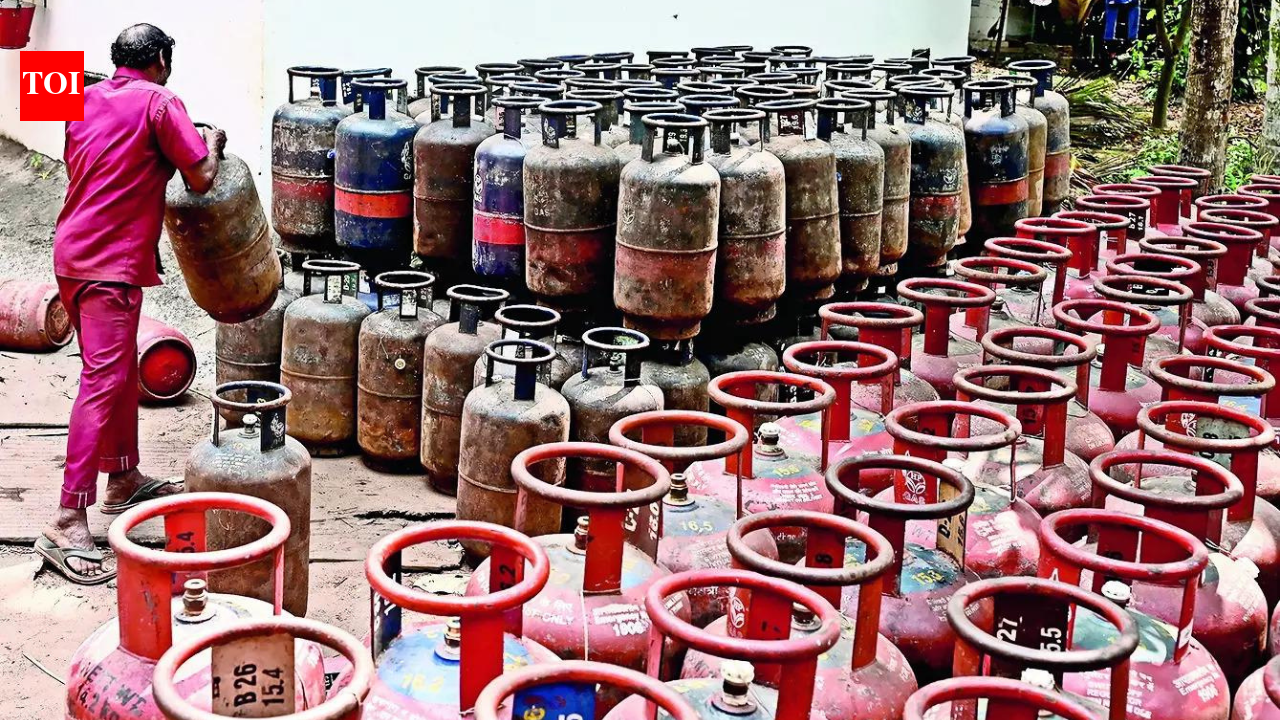
Within eight days of the disruption, India issued an LPG Control Order directing all refineries to maximise output by diverting propane, butane, propylene, and butene streams. According to the report, within seven days, domestic LPG production rose from 35,000 to 54,000 tonnes per day, well above the residual import requirement of about 30,000 metric tonnes per day, substantially replacing the shortfall with domestic output. Refineries that had never produced LPG were reconfigured to do so.
| Metric | Pre-crisis | Post-control order (within 7 days) |
|---|---|---|
| Domestic LPG production (tonnes/day) | 35,000 | 54,000 |
| Residual import requirement (tonnes/day) | ~30,000 | ~30,000 |
The report also noted an excise cushion on petrol and diesel, and a deliberate decision to let the state and public sector marketing companies absorb the cost rather than pass it to households.
Diplomacy and Infrastructure
Sushma Rawat, former Director of Exploration at Oil and Natural Gas Corporation Limited (ONGC), told ANI that India's strong diplomatic relationships helped ensure vessels could pass through the strait even during the crisis. She cited India's balancing act between superpowers like the US and Russia, and a strong relationship with the UAE. Rawat also highlighted the role of oil marketing companies and the Shipping Corporation of India in discussions.
"The oil marketing companies and the Shipping Corporation of India have had a huge role to play in the discussions and the dialogues which happened. It also rests on India's strong diplomatic relationship with countries," Rawat said.
Strategic Reserves and Long-term Investments
India's crisis management rested on a decade of investment in terminals, pipelines, refining capacity, strategic reserves, and source diversification. Rawat noted that India's LPG import terminals increased from about 11 to 22 over the last decade. The country has 258 million tons per annum of refinery capacity, going up to 300 million tons, and a network of 77,000 retail outlets covering every corner of India, serving 33.5 crore households with LPG.
"We are very resilient and that resilience comes from the strength of the oil and gas sector, the complete import terminals for LPG, LNG, our refineries who are very well equipped to face these challenges," Rawat said, adding that India's export orientation in petroleum products provides a buffer to supply its own citizens.
Implications for Trade and Import/Export Professionals
For importers and trade policy analysts, the crisis demonstrates how rapid regulatory action and infrastructure resilience can mitigate supply chain disruptions. The LPG Control Order's seven-day production ramp-up and the decade-long expansion of import terminals highlight the importance of domestic capacity and diversification. While import volumes were temporarily affected, the swift substitution with domestic output avoided household shortages. The reliance on diplomacy to maintain shipping lanes underscores the value of bilateral trade relationships in crisis management.
Sources: