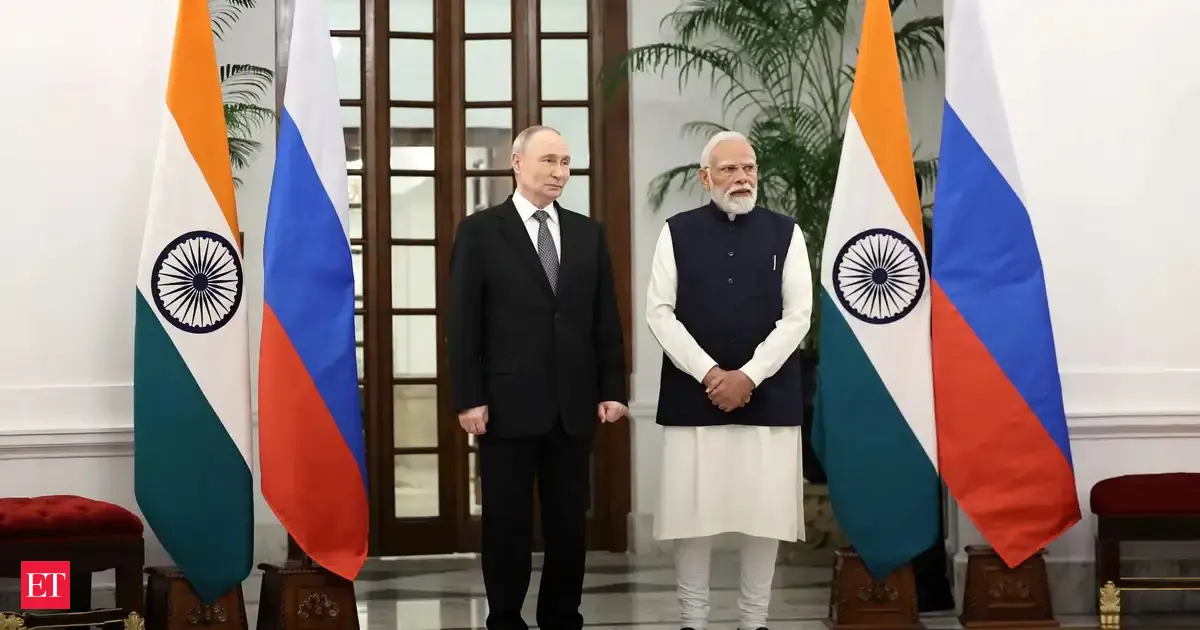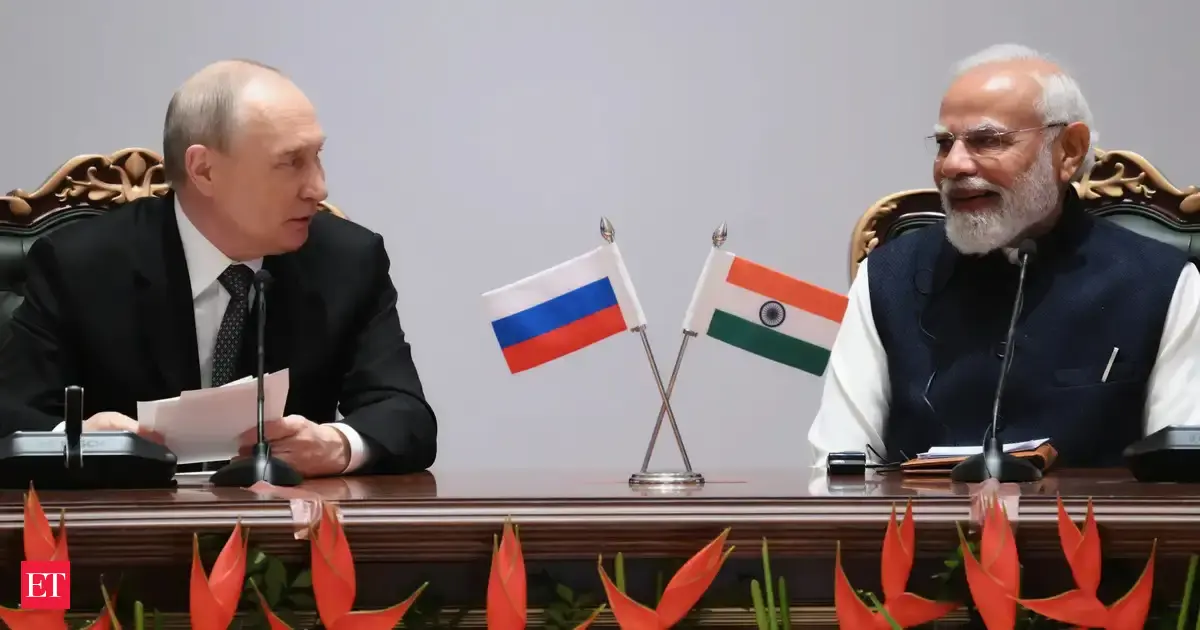
Russia and India are actively working to increase bilateral trade volumes, Kremlin spokesman Dmitry Peskov said on Thursday, highlighting a steady uptrend in trade and economic relations between the two countries. The announcement comes as the strategic partners push toward a $100 billion trade target by 2030.
Bilateral Trade Target
During Russian President Vladimir Putin's visit to India in December last year, the two nations set a bilateral trade target of $100 billion by 2030, according to Peskov. The Kremlin spokesman, speaking at the 12th Primakov Readings international academic and expert forum, said: "We are pleased to note that this volume is showing a steady uptrend. We will keep working along these lines." The target underscores the growing economic ties between Moscow and New Delhi, which have strengthened amid shifting global trade dynamics.
| Metric | Value |
|---|---|
| Bilateral trade target | $100 billion by 2030 |
| Set during | Putin's visit to India, December 2025 |
| Current trend | Steady uptrend (per Peskov) |
Kremlin Spokesman's Remarks
Peskov, who attended the 12th Primakov Readings, also characterized the Russia-India relationship as a "notably privileged partnership." He emphasized that both sides are working to expand trade and economic relations. "Russia and India share a notably privileged partnership," he said, as reported by state-run TASS news agency.
The spokesman further noted India's global standing: "India is the world's most populous country, one of the fastest-growing economies, and a nation brimming with potential across all sectors." He also commended Prime Minister Narendra Modi's role in India's development over the past 25 years, telling Russia Today that "the country which over the last 25 years has covered a big gap when it comes to economic and social development. And Mr (Narendra) Modi, the prime minister, has been very successful."
Economic and Geopolitical Context
The push for higher trade volumes reflects the broader strategic alignment between Russia and India. India has emerged as a key buyer of Russian energy and commodities, while Russia seeks to diversify its trade partnerships amid Western sanctions. The $100 billion target, if achieved, would represent a significant increase from current levels. Although specific current trade figures were not disclosed in the source, the Kremlin's emphasis on a "steady uptrend" signals positive momentum.
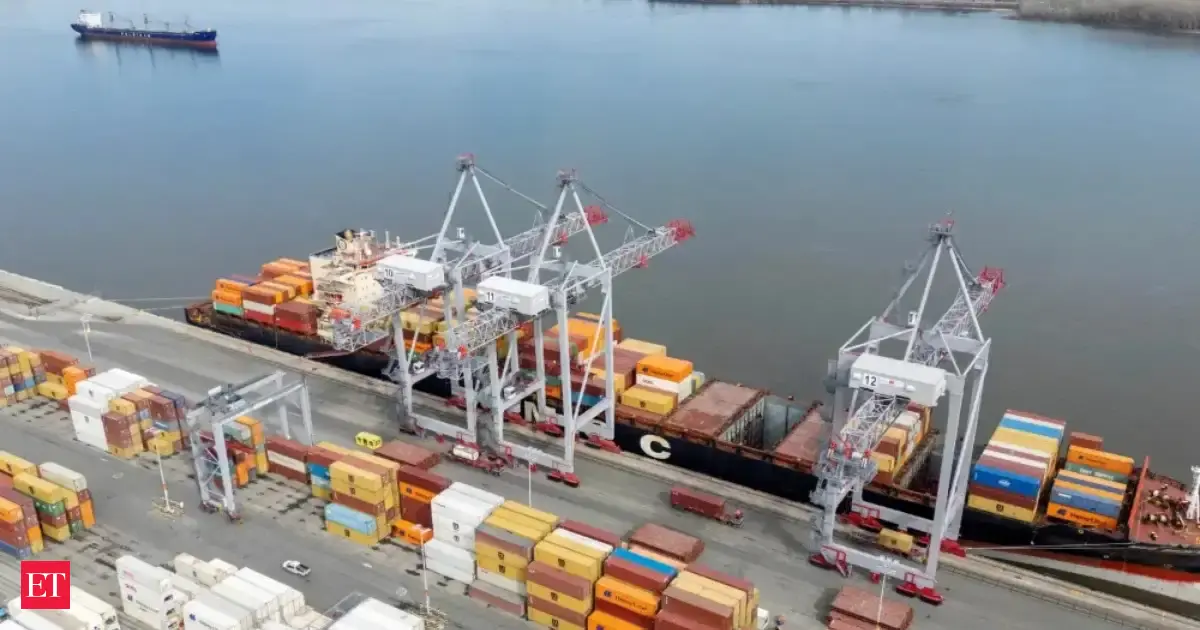
For importers and exporters, the expanding Russia-India trade corridor may offer new opportunities in sectors such as energy, defense, agriculture, and technology. Trade policy professionals should monitor bilateral agreements and payment mechanisms that could facilitate smoother transactions. The target timeline of 2030 provides a medium-term framework for businesses to align their strategies.
Sources: