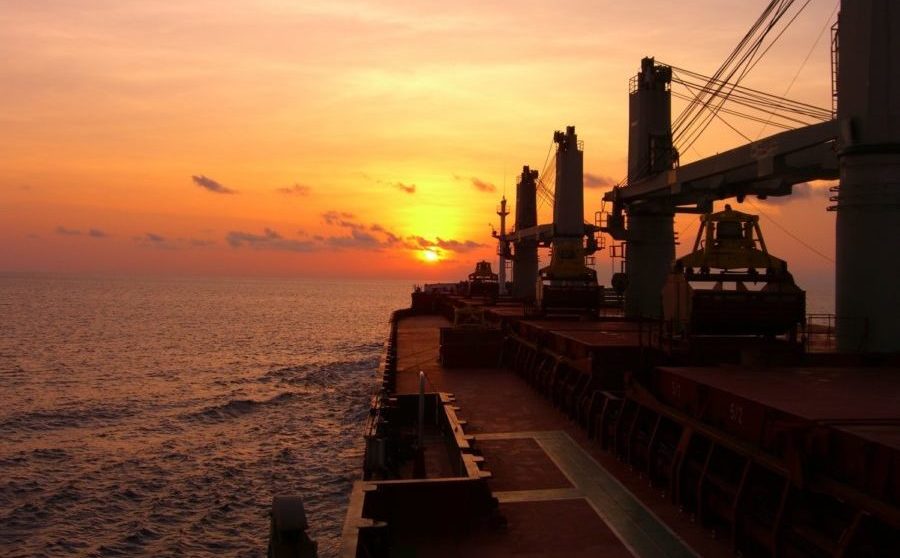
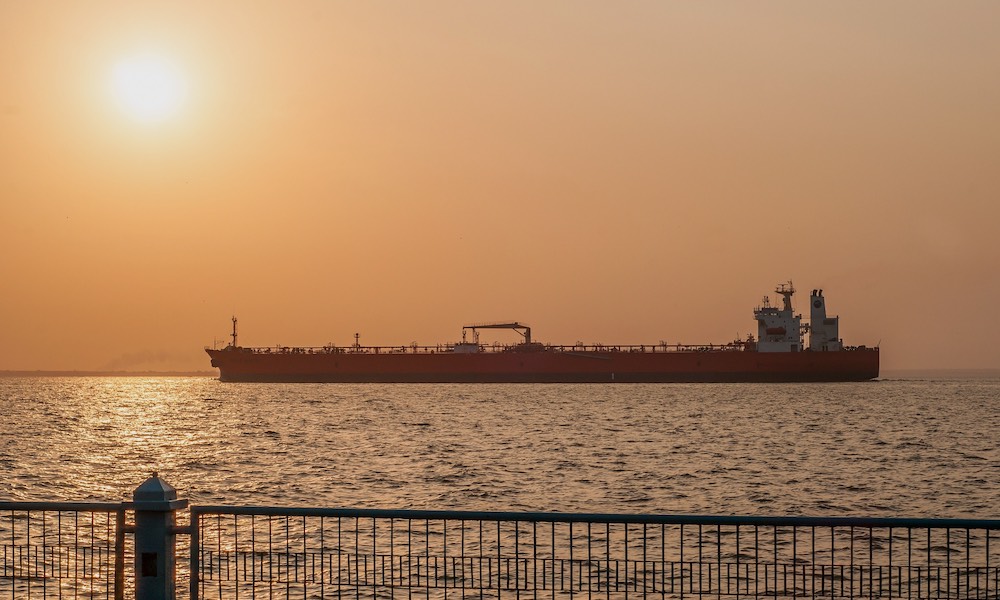
According to Splash247, Sweden’s Supreme Court has cleared the way for the cargo vessel Caffa to be transferred to Ukraine, establishing a potentially significant precedent for ships accused of trading stolen commodities from Russian-occupied territory. The court refused the owner permission to appeal, leaving earlier decisions by the Ystad District Court and the Court of Appeal in force. Swedish media reported that it was the first time a court outside Ukraine had approved the handover of a vessel linked to the export of stolen Ukrainian grain.
Legal Path and Precedent
The ruling by Sweden’s Supreme Court, reported by Splash247, confirmed that the owner’s appeal was refused, meaning the seizure decisions from the Ystad District Court and the Court of Appeal remain in force. According to Swedish media, this is the first instance of a court outside Ukraine approving the handover of a vessel linked to the export of stolen Ukrainian grain. This outcome could set a legal benchmark for other countries receiving similar requests from Ukrainian authorities.
Details of the Caffa
The 4,337 dwt Caffa was intercepted by Swedish authorities off Trelleborg on March 6 while sailing from Casablanca to St Petersburg. The vessel claimed to be registered in Guinea, but Swedish authorities suspected it was operating under a false flag and using fraudulent documents. Its classification had been withdrawn by the Russian Maritime Register of Shipping in June 2025.
Ukrainian investigators subsequently asked Sweden to seize the ship under international legal-assistance legislation, Splash247 reported.
Allegations and Court Reasoning
Prosecutors alleged that the Caffa had called at Russian-occupied Sevastopol, loaded approximately 3,000 tonnes of Ukrainian barley, and transported the cargo to Syria. Sweden’s courts concluded that the vessel, documents, a hard drive, and a USB device could be important to the Ukrainian investigation or become subject to forfeiture. Judges also ruled that the seizure was proportionate given the seriousness of the alleged offences and the ship’s numerous safety deficiencies.
| Key facts | Detail |
|---|---|
| Vessel name | Caffa |
| Deadweight | 4,337 dwt |
| Interception date | March 6 |
| Interception location | off Trelleborg |
| Route at interception | Casablanca to St Petersburg |
| Claimed registration | Guinea |
| Classification withdrawn | June 2025, Russian Maritime Register of Shipping |
| Alleged cargo | ~3,000 tonnes of Ukrainian barley |
| Alleged destination | Syria |
Reactions
Ukrainian foreign minister Andrii Sybiha described the decision as an important international precedent in efforts to combat sanctions evasion and Russia’s clandestine shipping operations.
Implications for Shipowners and Operators
The vessel has remained moored at Trelleborg, although its crew of 11, most of whom were reported to be Russian, were permitted to return home. Splash247 reported that Ukraine has previously confiscated and sold ships seized within its own jurisdiction, but the Swedish ruling could encourage Kyiv to pursue more vessels when they enter countries willing to enforce Ukrainian court requests.
The Swedish ruling could encourage Kyiv to pursue more vessels when they enter countries willing to enforce Ukrainian court requests.
It also increases the legal risk for owners, managers, and operators involved in voyages to occupied Crimean ports, even when the ships subsequently trade far from Ukrainian waters.
Sources: