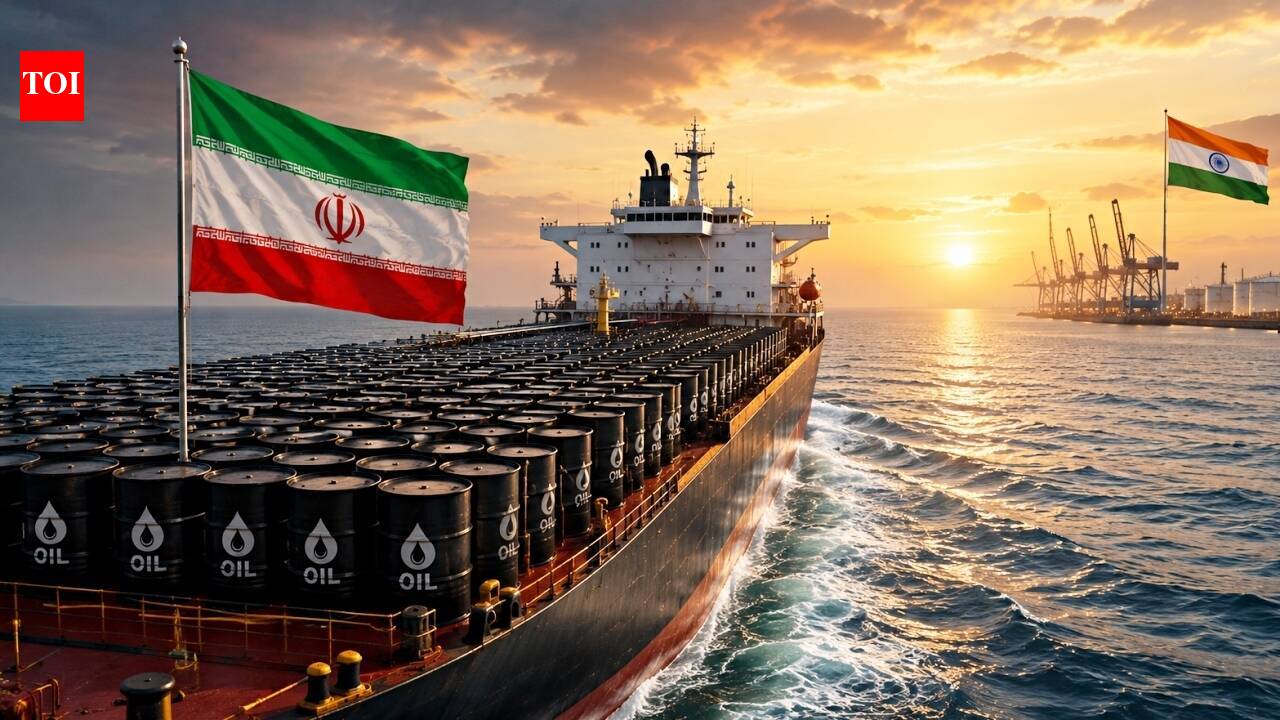
Global trade dynamics are constantly evolving, presenting both challenges and opportunities for import/export professionals. Recent developments in trade policies, tariff adjustments, and bilateral agreements are pivotal for businesses engaged in international trade.
Tariff and Duty Changes
Recent changes in tariff rates have been implemented by several countries, affecting a wide range of products. For instance, China has revised its import duties on electronics, effective from January 1, 2024. This change is expected to impact the cost structure for importers significantly.
- China: Reduced import duties on electronics
- United States: Increased tariffs on steel imports
- European Union: Adjusted duties on agricultural products
Trade Policy Developments
Trade policies are undergoing significant transformations. The World Trade Organization (WTO) has reported new trade agreements that aim to enhance market access and reduce trade barriers. These policies are expected to foster a more competitive trading environment.
"The recent trade agreements are a testament to the global commitment towards reducing trade barriers and enhancing market access," said a spokesperson from the WTO.
Bilateral Trade Relationships
Bilateral trade agreements continue to shape the global trade landscape. The recent agreement between India and Australia, effective March 2024, aims to boost trade in textiles and agricultural products. This agreement is expected to increase trade volumes significantly.
| Country | Agreement Partner | Effective Date | Key Products |
|---|---|---|---|
| India | Australia | March 2024 | Textiles, Agriculture |
| Japan | South Korea | April 2024 | Electronics, Automobiles |
Border and Customs Updates
Customs regulations are also seeing updates to streamline processes. The United States Customs and Border Protection (CBP) has introduced new electronic filing requirements for importers, effective July 2024. These changes aim to enhance efficiency and reduce processing times.
Conclusion
Staying informed about these developments is crucial for import/export professionals to navigate the complexities of international trade effectively. Adapting to these changes can provide a competitive edge in the global market.