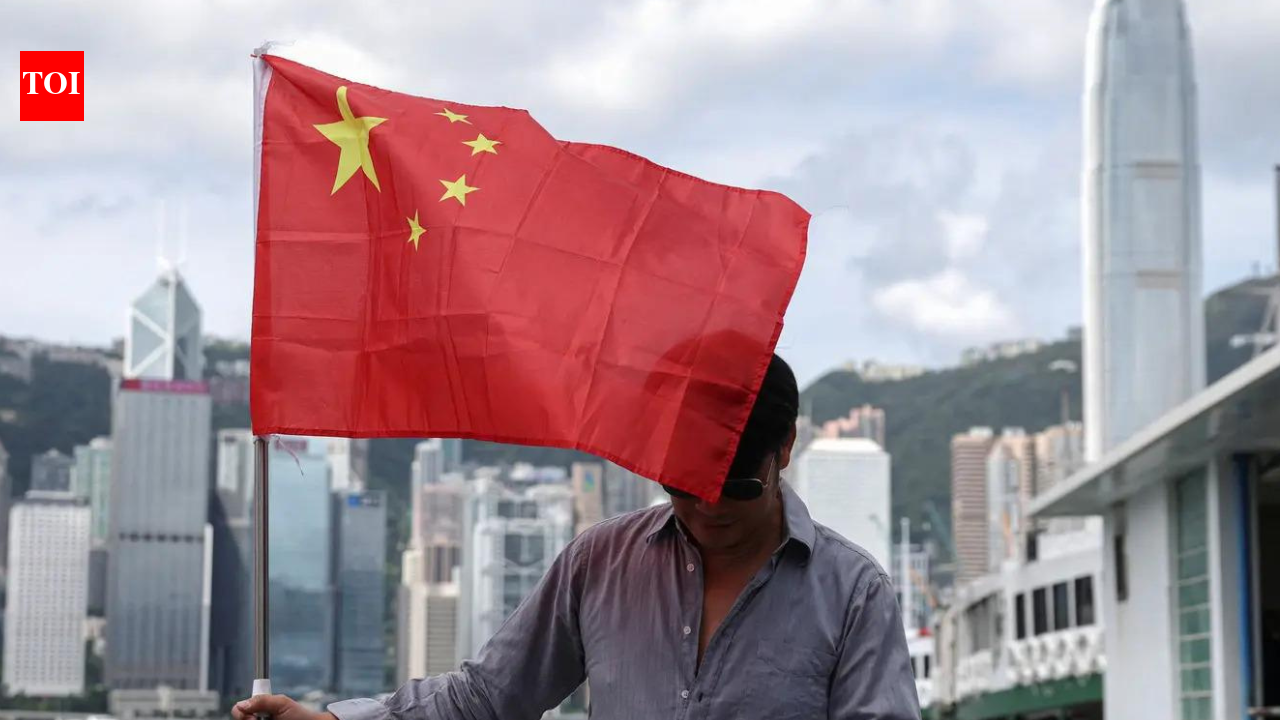
India should welcome Chinese technology and investments but proceed with caution on open trade with China, according to Confederation of Indian Industry (CII) President R Mukundan. In an interview with PTI, Mukundan addressed the question of a potential free trade agreement (FTA) with China, stating, "investments from China are certainly welcome, technology from China is certainly welcome. But I think in terms of the open trade with China, we need to be very careful and measured in our approach."
India-China Trade Deficit Hits Record High
China has overtaken the United States to become India's largest trading partner in 2025-26, with bilateral trade reaching USD 151.1 billion, according to data cited by CII President R Mukundan. However, the trade deficit has swelled to an all-time high of USD 112.6 billion in 2025-26, compared to USD 99.2 billion in 2024-25. Mukundan emphasized that Indian industry should look at ways to reduce import dependence on China and manufacture goods domestically.
| Metric | 2024-25 | 2025-26 |
|---|---|---|
| Bilateral trade (USD bn) | — | 151.1 |
| Trade deficit (USD bn) | 99.2 | 112.6 |
India exited the Regional Comprehensive Economic Partnership (RCEP) negotiations in November 2019, which includes China and 10 ASEAN member countries.
India-US Bilateral Trade Agreement Talks
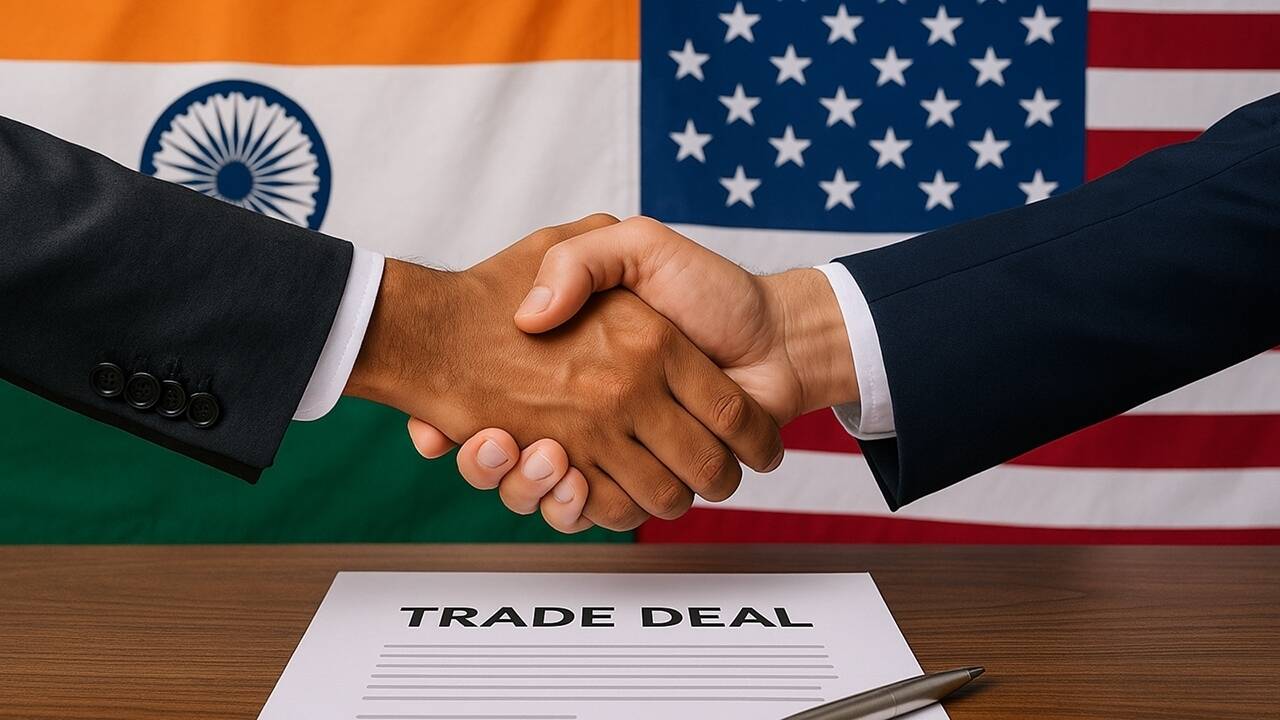
Mukundan also commented on the ongoing negotiations for a bilateral trade agreement (BTA) between India and the United States. He noted that the US is the largest export destination for Indian exporters and the agreement is expected to further boost exports. US Trade Representative Jamieson Greer is in India to hold talks with Commerce and Industry Minister Piyush Goyal on an interim trade pact.
"As long as we are having a (tariff) rate which is comparable or better than the competing peer countries which are exporting (to the US), I think we should be fine," Mukundan said, adding that India needs "at least equal to or slightly similar to what other countries are getting and we should not have disadvantage there." This is particularly relevant as India seeks a tariff advantage over competing exporters such as ASEAN, Sri Lanka, and Bangladesh.
Sector-Specific FDI Strategy Proposed
To attract more foreign direct investment (FDI), the CII President urged the government to launch a targeted sector-specific FDI strategy focusing on technology-intensive investments in high-growth sectors such as semiconductors, electric vehicles, and artificial intelligence. He called for strengthening policy predictability through structured industry-government consultation mechanisms and transparent transition periods for major regulatory and FDI policy changes.
Mukundan also recommended that India approach the top-100 global manufacturers across sectors, offering them "a passport and concierge services." He suggested assigning a dedicated official to each investor to resolve bottlenecks with relevant ministries in a time-bound manner.
Review of Inverted Duty Structure and Quality Control Orders
Mukundan highlighted the need to review and correct the inverted duty structure for imports. He also called for a review of existing quality control orders (QCOs) on raw materials and intermediate goods. This review should include an impact assessment on India's export competitiveness, considering the presence of adequate domestic manufacturing capacity and the quality of products manufactured locally. Additionally, he emphasized attracting investments from developed economies to decarbonize carbon-intensive sectors.
Sources: